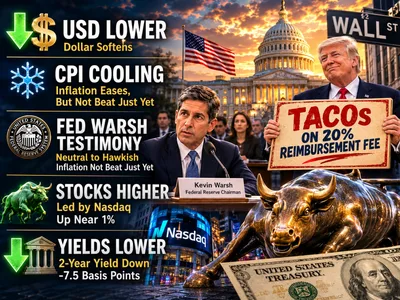
Kevin Warsh Vows Fed 'Regime Change' to Tackle Inflation Burden
Fed chair nominee Kevin Warsh pledges a policy overhaul to defeat inflation he calls a 'tax' on Americans.
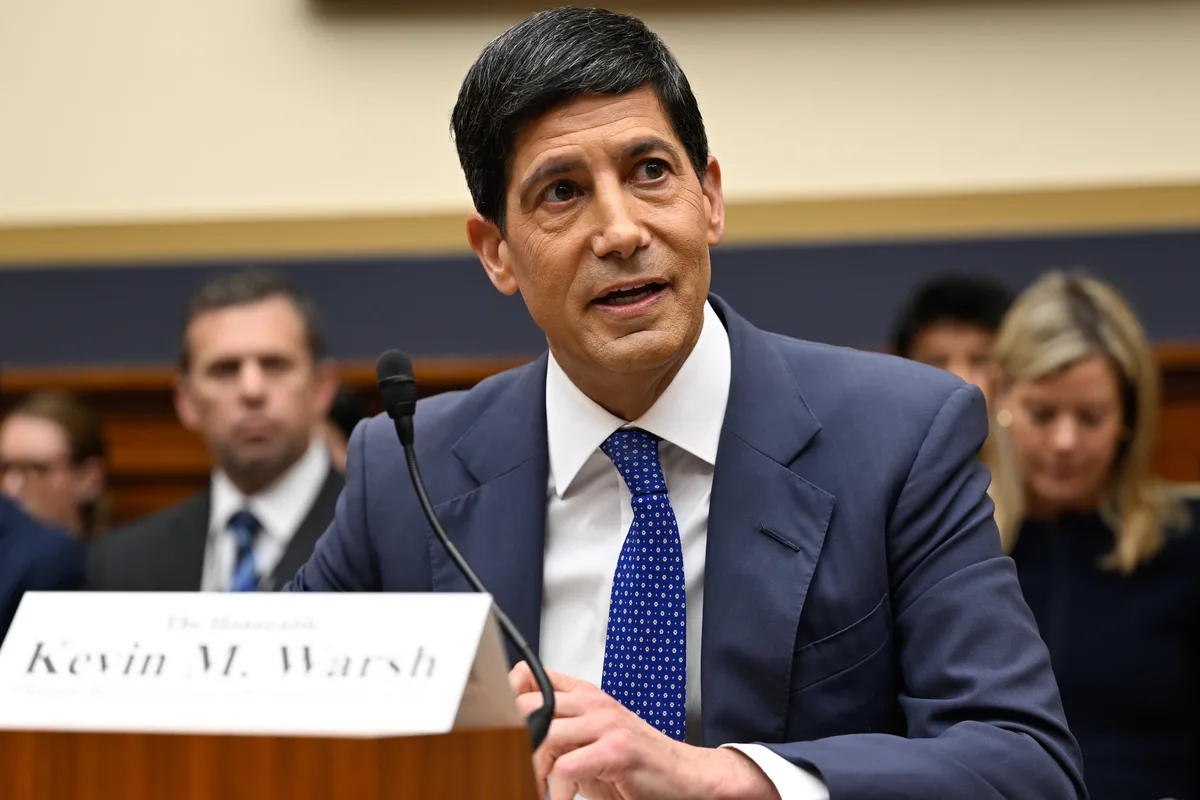
Kevin Warsh, the reported frontrunner to lead the Federal Reserve, made a pointed commitment this week to overhaul monetary policy if confirmed as chair, framing persistent inflation as an unacceptable burden imposed on ordinary Americans. Speaking Tuesday, Warsh characterized the central bank's recent track record as falling short and promised to "get monetary policy right" — language that signals a notable break from the institution's current posture.
The phrase "regime change" carries significant weight in central banking circles, suggesting Warsh envisions more than incremental adjustment. It implies a fundamental rethinking of how the Fed communicates, sets targets, and responds to price pressures — the kind of philosophical shift that could reshape expectations across financial markets and Main Street alike.
Read more Warsh Vows Fed 'Regime Change' to Eliminate Inflation Burden →
Warsh's framing of inflation as a "tax" on the American people is both politically resonant and analytically grounded. When prices rise faster than wages, purchasing power erodes in a way that disproportionately affects lower- and middle-income households who spend a larger share of income on essentials. By invoking the tax analogy, Warsh is signaling alignment with the critique that the Fed's inflation management over the past five years imposed real economic costs that went insufficiently acknowledged by policymakers.
The pledge arrives at a pivotal moment for the central bank. The Fed has spent years navigating the aftermath of pandemic-era price surges, and while inflation has cooled from its peak, it has remained stubborn enough to delay anticipated interest rate cuts. A new chair committed to what he describes as a regime-level correction could accelerate policy normalization — or, depending on economic conditions, introduce a more hawkish tilt that keeps borrowing costs elevated longer.
Continue reading at US Top News and Analysis