Why Fed Rate Hikes Under Warsh May Not Kill the Bull Market
History suggests rate-hike cycles don't automatically end bull markets, and a Warsh-led Fed may find that threat alone shapes behavior.
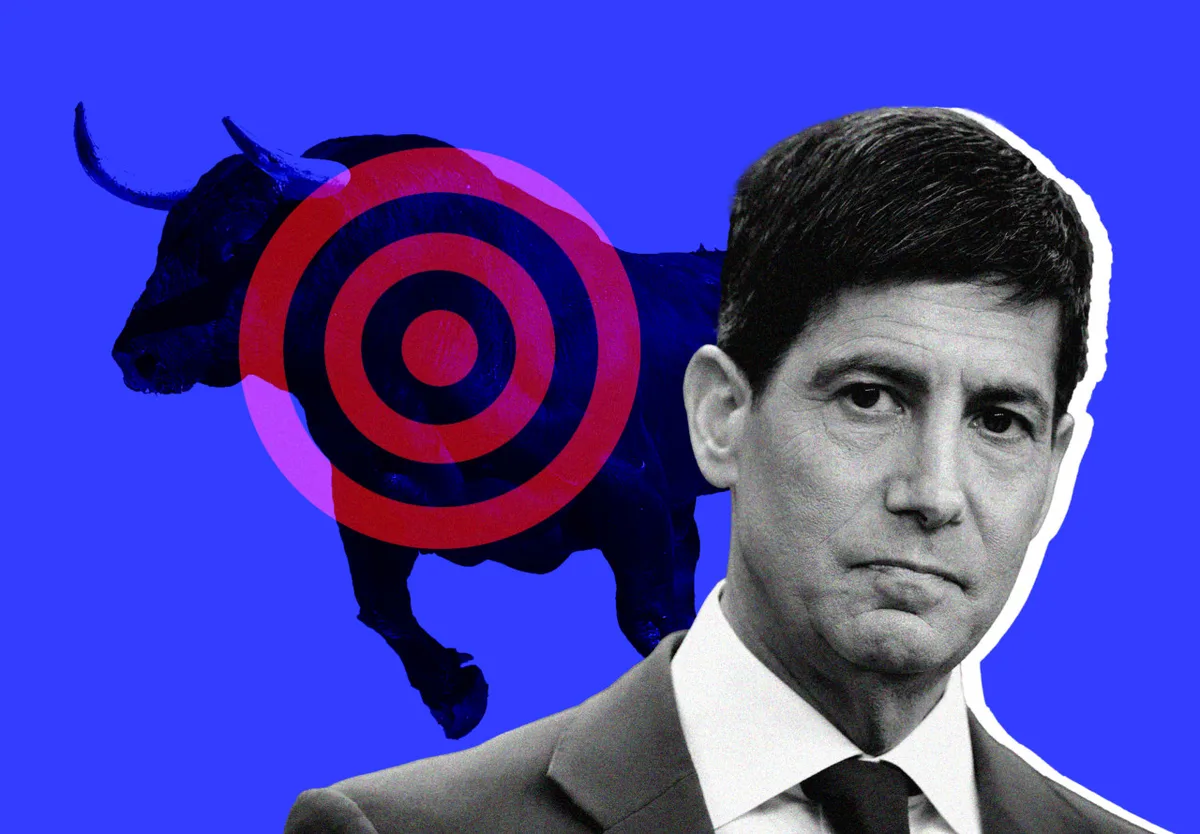
The conventional wisdom on Wall Street holds that when the Federal Reserve starts raising interest rates, equity markets should brace for pain. But history complicates that narrative considerably — and if Kevin Warsh were to lead the Fed and pursue a more hawkish posture, investors may find the outcome more nuanced than the headlines suggest.
Warsh, a former Fed governor known for his inflation-fighting instincts, might calculate that the mere credible threat of rate hikes could discipline markets and cool inflationary pressures without requiring aggressive follow-through. That kind of signaling strategy has precedent at the central bank, where forward guidance can move markets almost as effectively as actual policy changes.
Read more TSMC Upgraded to Buy as AI Demand and EUV Edge Converge →
What historical rate-hike cycles actually show is instructive here. Equities have frequently continued climbing well into tightening periods, particularly when the economy is expanding and corporate earnings remain resilient. The early phases of a rate-hike campaign, in particular, have often coincided with continued stock market gains — because rising rates in that context signal economic strength rather than distress.
The more meaningful risk to a bull market tends to arrive not when hikes begin, but when they overshoot — when the Fed tightens past the point where growth can absorb higher borrowing costs. That inflection point, not the first hike, is typically where equity momentum breaks down. A Warsh Fed that moves deliberately and communicates clearly could, in theory, raise rates without triggering the kind of disorderly repricing investors fear most.
For market participants, the practical implication is that positioning purely defensively in anticipation of a Warsh appointment may be premature. The historical record suggests patience is warranted — and that the relationship between rate hikes and bear markets is far less automatic than popular anxiety implies. Continue reading at MarketWatch.com