Republicans Own More Crypto Than Democrats: What's Behind the Gap
A striking partisan divide in cryptocurrency ownership has emerged in the U.S., with Republicans outpacing Democrats in adoption rates.
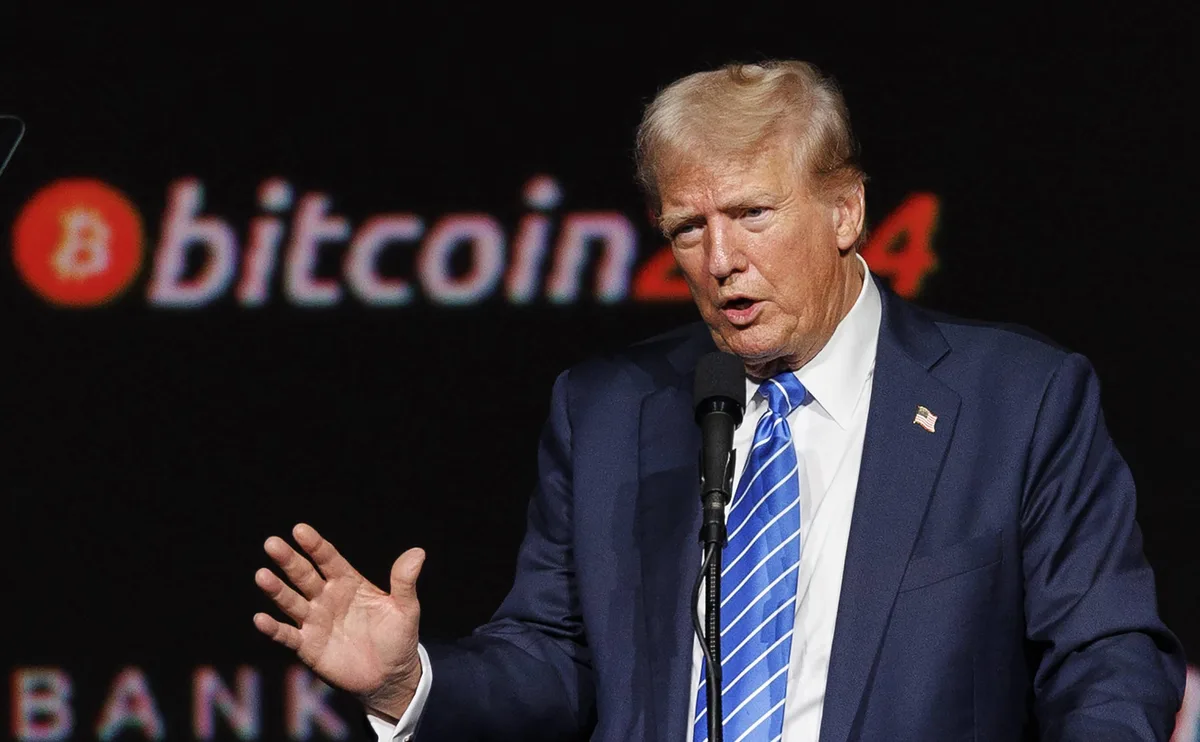
Cryptocurrency ownership in the United States has taken on a distinctly political character, with data revealing a pronounced gap between Republican and Democratic adoption rates. Analysts describe the divide as "massive" — a chasm that reflects not just investment preferences but deeper ideological fault lines around financial independence, distrust of institutions, and the role of government in regulating money.
The conservative affinity for crypto aligns naturally with longstanding Republican skepticism toward centralized financial systems and the Federal Reserve. Digital assets like Bitcoin have long been framed by proponents as a hedge against inflation and government overreach — rhetoric that resonates more strongly on the right, where anti-establishment sentiment around monetary policy runs deep. For many Republican-leaning investors, crypto represents a market operating outside the reach of Washington.
Read more TSMC Upgraded to Buy as AI Demand and EUV Edge Converge →
Democrats, by contrast, have historically shown greater comfort with regulated financial institutions and have been more receptive to federal oversight of emerging asset classes. Progressive skepticism toward crypto has also been amplified by environmental concerns over energy-intensive proof-of-work mining, as well as wariness about crypto's potential to facilitate financial fraud or deepen wealth inequality — issues that carry more political weight on the left.
The divide carries significant implications as crypto moves from the fringes of finance into mainstream policy debates. With Congress actively weighing regulatory frameworks for digital assets, the partisan ownership gap could shape how legislators approach oversight — with Republican-controlled chambers likely to push for lighter-touch regulation that protects existing holders, while Democrats may press for stricter consumer safeguards. Ownership is increasingly becoming a proxy for where politicians stand on the broader question of crypto's legitimacy.
As digital assets become an ever-larger slice of household balance sheets, the political identity of the crypto investor class will matter more — not just for markets, but for how the next generation of financial regulation is written. Continue reading at US Top News and Analysis.