Warsh and Vance Cast Doubt on the Fed's 2% Inflation Target
Remarks from Kevin Warsh and Vice President J.D. Vance are raising serious questions about whether the U.S. will maintain its long-standing 2% inflation goal.
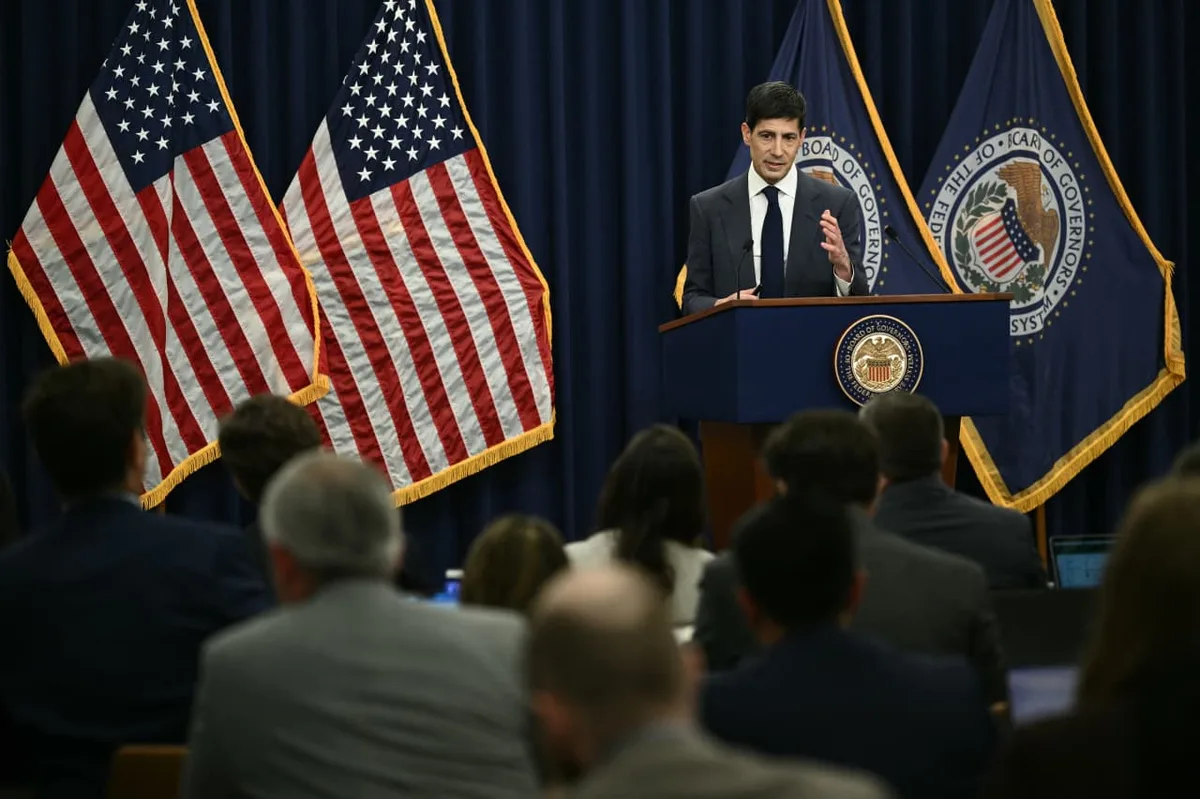
For decades, the Federal Reserve's 2% annual inflation target has functioned as a kind of monetary constitution — an anchor for expectations that markets, businesses, and households rely upon when making long-range financial decisions. That anchor is now being tested in an unexpected way, as prominent political and economic figures appear to be signaling openness to revising or abandoning it altogether.
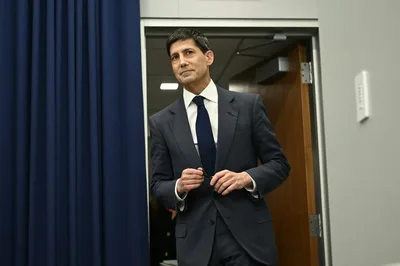
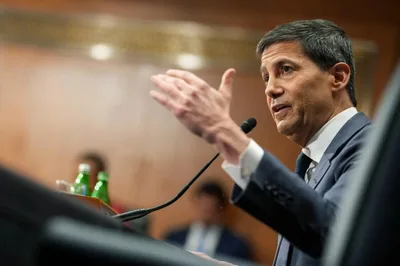
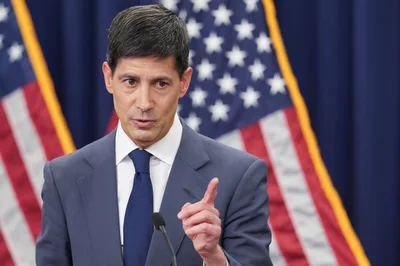
Kevin Warsh, a former Federal Reserve governor and a figure frequently mentioned as a potential Fed chair candidate, along with Vice President J.D. Vance, have both made statements that call the 2% benchmark into question. Their remarks have injected fresh uncertainty into an already complicated inflation landscape, prompting analysts to ask whether the current administration would tolerate — or even encourage — a drift toward higher sustained price levels.
Read more Kevin Warsh Moves to Reshape Fed Operations With Five Task Forces →
The significance of such a shift cannot be overstated. The 2% target was not chosen arbitrarily; it represents a carefully negotiated balance between keeping inflation low enough to protect consumers while leaving the Fed sufficient room to cut interest rates during downturns without hitting the zero lower bound. Abandoning or softening that target could fundamentally reshape how the central bank conducts monetary policy and how credible its commitments appear to global bond markets.
Market credibility is the crux of the concern. If investors come to believe that policymakers are willing to tolerate 3% or 4% inflation as a new normal, longer-term interest rates could rise to compensate, effectively tightening financial conditions even without any action from the Fed itself. That dynamic would represent a self-inflicted complication at a time when the economy is already navigating trade-related price pressures and uneven growth signals.
Whether Warsh and Vance's comments reflect a coordinated policy position or represent individual trial balloons remains unclear. But the fact that such questions are now being asked publicly — by figures with direct proximity to power — marks a notable departure from the bipartisan consensus that has underpinned Fed independence for a generation. Continue reading at MarketWatch.com