Kevin Warsh Moves to Reshape Fed Operations With Five Task Forces
The incoming Fed chair launches working groups targeting communications, inflation frameworks, and core central bank functions.
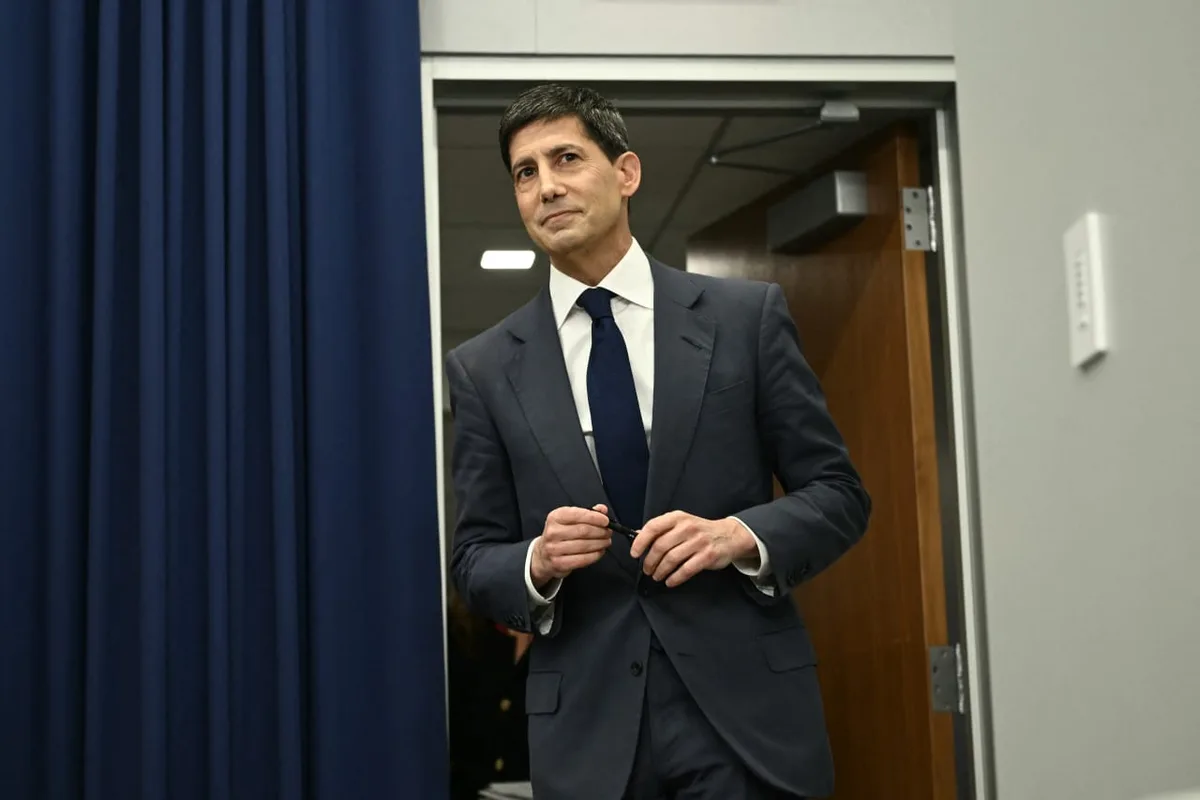
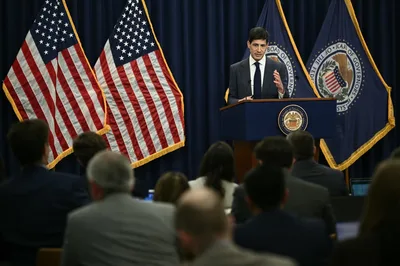
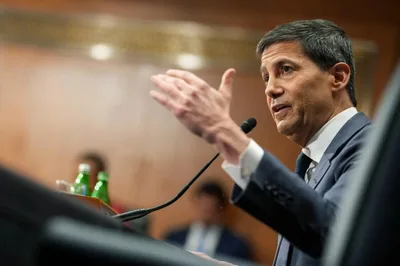
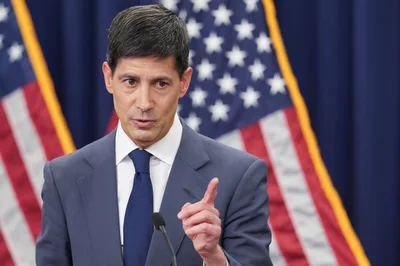
Kevin Warsh is wasting little time in signaling that his tenure at the Federal Reserve will look markedly different from his predecessors'. The incoming chair has rolled out five dedicated task forces charged with re-examining some of the most foundational aspects of how the central bank operates — from how it communicates policy decisions to the public to how it structures its framework for managing inflation.
The formation of these working groups reflects a broader ambition to modernize — and potentially narrow — the Fed's institutional footprint. Warsh has long been a critic of the Fed's expansive forward guidance practices and its embrace of average inflation targeting, which was adopted under Jerome Powell in 2020. By institutionalizing the review process through formal task forces, Warsh is signaling that changes will be deliberate and structural rather than ad hoc.
Read more Warsh and Vance Cast Doubt on the Fed's 2% Inflation Target →
The communications review alone carries significant market implications. The Fed's guidance about future interest rate paths has become deeply embedded in how traders, businesses, and consumers make financial decisions. Any recalibration of how — or how much — the Fed telegraphs its intentions could meaningfully shift the way markets price risk across asset classes, from Treasuries to equities.
The inflation framework task force is perhaps the most consequential of the five. The Fed's current approach, which tolerates periods of above-target inflation to compensate for prior shortfalls, has drawn criticism from economists across the political spectrum since inflation surged past 9% in 2022. Revisiting that framework could have lasting consequences for how the central bank responds to future price shocks and how credibly it anchors long-term inflation expectations.
Whatever the outcome of these reviews, the very act of establishing them sends a clear message: the institutional consensus that defined Fed policymaking for the past decade is now open for debate. Continue reading at MarketWatch.com