US Set to Enforce Maritime Blockade on Iran Starting Tuesday
Washington will begin enforcing a maritime blockade against Iran on Tuesday, marking a significant escalation in economic and military pressure.
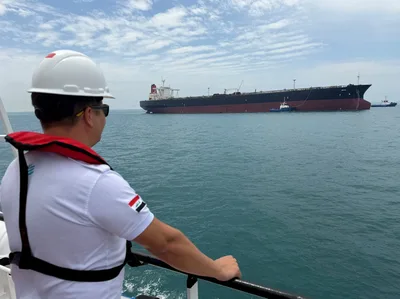
The United States is moving to enforce a maritime blockade against Iran beginning Tuesday, according to Reuters, a development that signals a sharp intensification of Washington's pressure campaign against Tehran. The decision represents one of the more aggressive unilateral actions the U.S. has taken in its long-running effort to constrain Iranian commerce and limit the regime's access to revenue streams that, American officials argue, fund destabilizing activities across the Middle East.
Maritime blockades carry profound strategic weight. By intercepting or deterring vessels that carry Iranian cargo — including oil, which remains Tehran's primary economic lifeline — Washington can apply financial pressure far beyond what traditional sanctions alone can achieve. Sanctions require the cooperation of foreign governments and financial institutions, whereas a naval interdiction strategy can be executed with American military assets operating in international waters, giving Washington considerably more direct leverage.
Read more US Forces Strike Iranian Naval Facilities in Escalatory Move →
The timing of this move matters. Iran has continued to advance its nuclear program and has resisted diplomatic overtures in recent months, raising the stakes of any negotiated settlement. A blockade signals that the U.S. is willing to move from economic signaling to active enforcement, a posture shift that will be closely watched not only by Tehran but by European allies, Gulf partners, and major importers of Iranian oil such as China.
The risks attached to such a policy are real. Iran has previously threatened to disrupt shipping through the Strait of Hormuz — one of the world's most critical oil transit chokepoints — in response to heightened pressure. Any incident at sea between American naval assets and Iranian vessels or proxies could escalate rapidly, making clear communication of rules of engagement and coordination with regional partners essential to managing the policy's downside risks.
How Tehran responds in the coming days, and whether key trading partners comply or seek workarounds, will determine whether this blockade functions as a decisive lever or a flashpoint for broader conflict. Continue reading at Reuters.