UN Maritime Agency Rejects Hormuz Transit Fees Amid Rising Tensions
The IMO has pushed back against proposed Hormuz transit fees after Trump called on nations to pay for passage protection.
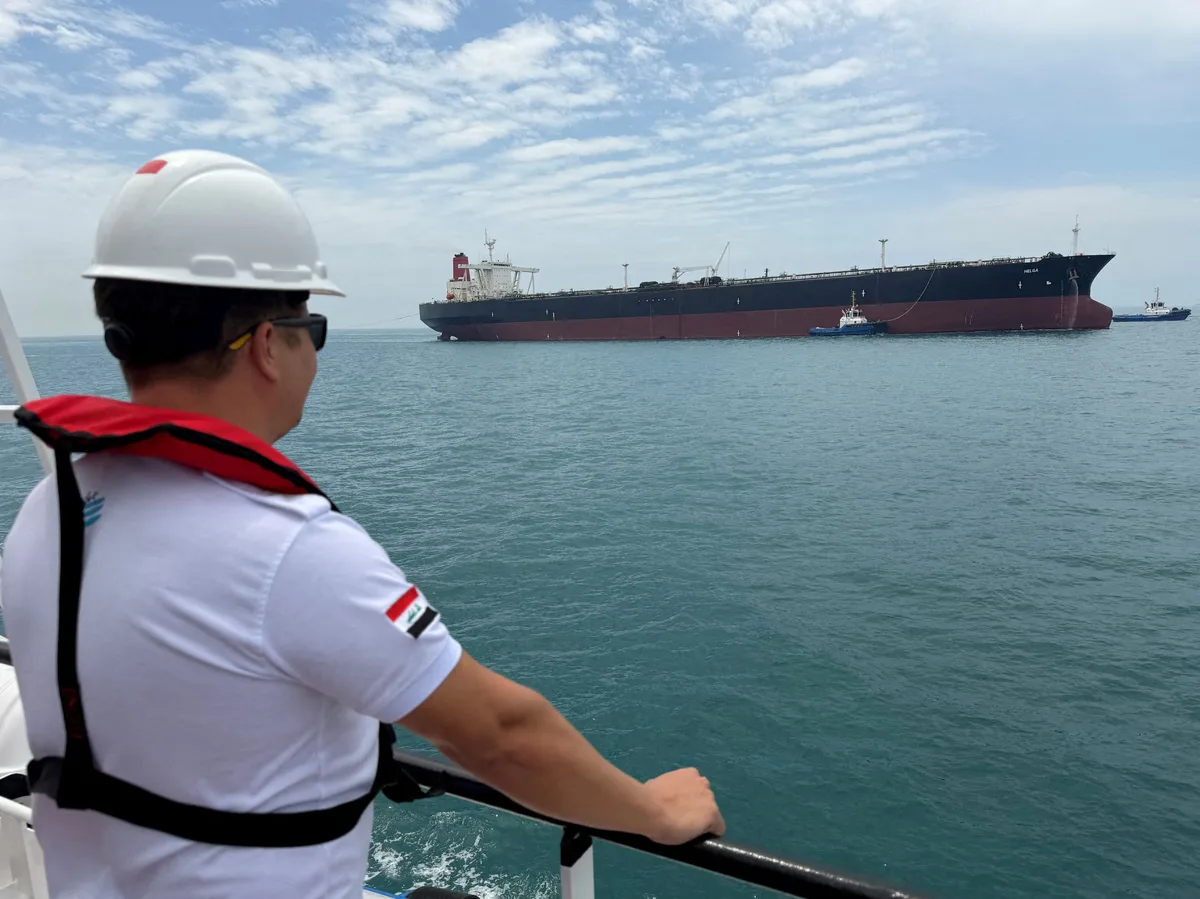
The International Maritime Organization has moved to oppose any scheme that would impose fees on vessels transiting the Strait of Hormuz, a development that places the United Nations agency in direct conflict with the Trump administration's demand that countries pay for the protection of one of the world's most critical shipping corridors.
The dispute arrives at a precarious moment. Iran has carried out attacks on multiple commercial vessels passing through the strait over the past week, dramatically worsening the security environment and raising urgent questions about who bears responsibility — and cost — for keeping the waterway open. The Strait of Hormuz is the chokepoint through which a significant share of global oil supplies flows, making its stability a matter of international economic consequence far beyond any single nation's interests.
Read more US Forces Strike Iranian Naval Facilities in Escalatory Move →
Trump's framing of the situation as a protection arrangement — essentially suggesting that countries benefiting from U.S. naval presence should compensate Washington — reflects a transactional approach to alliance management that has defined much of his foreign policy. But the IMO's opposition signals that the international maritime community views freedom of navigation as a collective right rather than a purchasable service, a distinction with deep legal and diplomatic roots in the United Nations Convention on the Law of the Sea.
The tension between Washington's demand and multilateral norms puts allied nations in an uncomfortable position. Agreeing to transit fees could set a precedent that commercializes international waterways, while refusing risks friction with an administration that has shown willingness to act unilaterally. How major shipping nations respond in the coming weeks could shape both the geopolitics of the Persian Gulf and the future governance of global sea lanes.
Continue reading at US Top News and Analysis