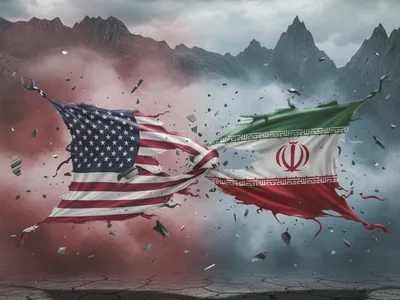
US Enters Third Night of Iran Strikes as Tehran Hits Regional Targets
Washington extends its military campaign against Iran into a third consecutive night while Tehran retaliates against US facilities across the Gulf.
The United States has carried out a third consecutive night of military strikes against Iran, marking a significant escalation in direct hostilities between the two longtime adversaries. The sustained tempo of operations signals that Washington is not pursuing a limited, one-off response but rather a sustained campaign with strategic objectives that extend beyond a single exchange of fire.
Simultaneously, Iran has shifted its retaliatory posture outward, targeting US military facilities housed in Gulf neighbor states. That move carries considerable geopolitical weight: by striking American positions across the broader region rather than responding solely within its own borders, Tehran is effectively widening the theater of conflict and placing pressure on Gulf governments to reassess the cost of hosting US forces.
Read more US Forces Strike Iranian Naval Facilities in Escalatory Move →
The dual escalation — American strikes on Iranian territory paired with Iranian counterstrikes on regional US installations — creates a feedback loop that military analysts have long warned is among the most dangerous dynamics in modern conflict. Each exchange raises the floor of what constitutes a "normal" level of hostility, making de-escalation incrementally harder to achieve without one side absorbing what it perceives as an unacceptable loss of deterrence credibility.
For Gulf states caught between their security partnerships with Washington and their geographic proximity to Tehran, the situation presents an acute dilemma. Iran's decision to direct fire at US facilities on their soil transforms these countries from bystanders into participants, whether or not they chose that role — a pressure tactic designed to fracture the regional coalition undergirding American power projection in the Middle East.
The broader trajectory of this confrontation will depend heavily on whether diplomatic back-channels remain functional and whether either government signals any appetite for off-ramps. As of now, the operational tempo suggests both sides remain committed to demonstrating resolve. Continue reading at US Top News and Analysis.