Updated Crypto Clarity Act Could Arrive as Early as Next Week
A revised version of the landmark crypto legislation may drop next week, signaling renewed Congressional momentum on digital asset regulation.
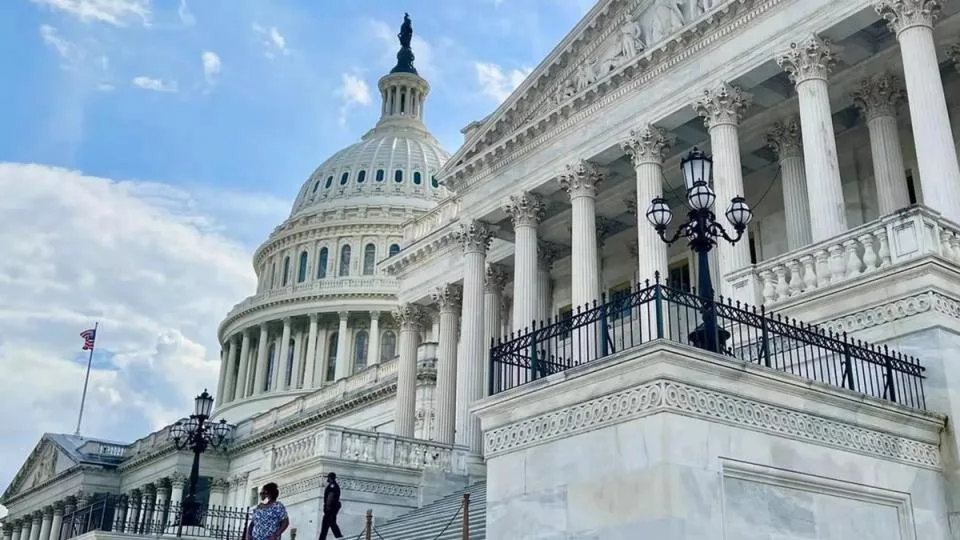
A new iteration of the crypto Clarity Act, the legislative framework aimed at establishing clearer regulatory boundaries for digital assets in the United States, could be released as early as next week, according to sources familiar with the matter. The development suggests that lawmakers are pushing forward on one of the most closely watched pieces of financial legislation in recent memory, even as broader Congressional calendars remain crowded.
The Clarity Act has been a focal point for the crypto industry because it attempts to resolve a long-standing jurisdictional dispute between the Securities and Exchange Commission and the Commodity Futures Trading Commission over which agency holds primary authority over various digital assets. That ambiguity has long been cited by industry participants and legal scholars alike as a structural barrier to institutional adoption and domestic innovation.
Read more Ukraine's Drone Strikes on Russia Are Reshaping NATO Strategy →
The timing of a fresh draft would carry real significance. Congressional sessions are finite, and the window for complex financial legislation to move through committee markups, floor votes, and reconciliation with the Senate is narrow. A release next week would give the bill a meaningful runway — but it would also expose the latest language to intense scrutiny from both crypto-skeptic lawmakers and industry lobbyists who have been tracking every definitional nuance.
Analysts watching Washington have noted that momentum on crypto legislation tends to be episodic — surging after market events or enforcement actions, then stalling in the face of competing priorities. A new draft of the Clarity Act would test whether the current political environment, shaped by growing bipartisan interest in establishing a U.S. digital asset framework, can sustain that momentum through to a floor vote.
Continue reading at CoinDesk.