Ukraine's Drone Strikes on Russia Are Reshaping NATO Strategy
Ukraine's deep-strike drone campaign against Russian refineries is forcing NATO to rethink its priorities and back a $40 billion counter-drone investment plan.
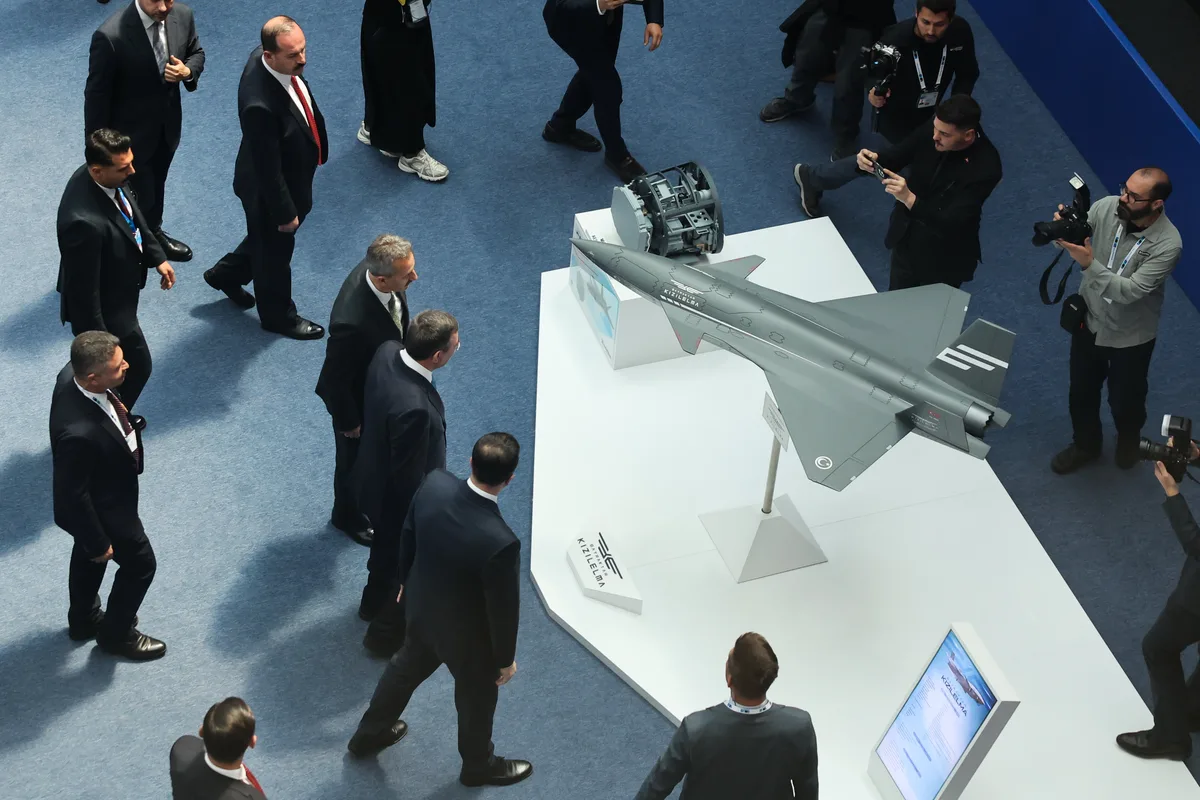
Ukraine's campaign of long-range drone strikes against Russian oil refineries has moved well beyond a tactical battlefield maneuver — it has become a strategic signal that is reverberating through alliance planning at the highest levels. By targeting energy infrastructure deep inside Russian territory, Kyiv is demonstrating that relatively low-cost unmanned systems can impose serious economic and military costs on a major power, a lesson NATO planners are absorbing in real time.
The implications for alliance spending are substantial. NATO is now moving toward a $40 billion counter-drone investment plan, a figure that reflects just how dramatically the unmanned aerial threat has been reappraised since Russia's full-scale invasion began. What was once treated as a niche capability is now central to how member states think about both offensive operations and homeland air defense.
Read more Ukraine's Drone Campaign Is Reshaping NATO's Defense Priorities →
The Ukrainian drone playbook exposes a fundamental tension within alliance procurement philosophy. Legacy air defense systems designed to intercept ballistic missiles or manned aircraft are ill-suited — and enormously expensive — when deployed against swarms of cheap, one-way attack drones. NATO must now weigh whether to adapt existing platforms, accelerate the development of directed-energy weapons, or pursue an entirely new defensive architecture.
Beyond hardware, Ukraine's experience suggests that doctrine and adaptability matter as much as investment levels. Kyiv has continually modified its strike packages and routing to outpace Russian electronic countermeasures, illustrating that drone warfare is less a fixed technology race and more an ongoing engineering competition. That dynamic will test NATO's traditionally slower acquisition cycles and bureaucratic procurement timelines.
The broader strategic takeaway is that the economics of modern warfare are shifting in ways that disadvantage large, expensive conventional platforms. A drone costing thousands of dollars can damage infrastructure worth billions — an asymmetry that both challenges defenders and emboldens smaller actors worldwide. Continue reading at US Top News and Analysis.