United Airlines to Charge Passengers to Block Middle Seats
United Airlines is introducing a paid middle-seat buffer option on its new Airbus A321XLR fleet, turning personal space into a premium product.
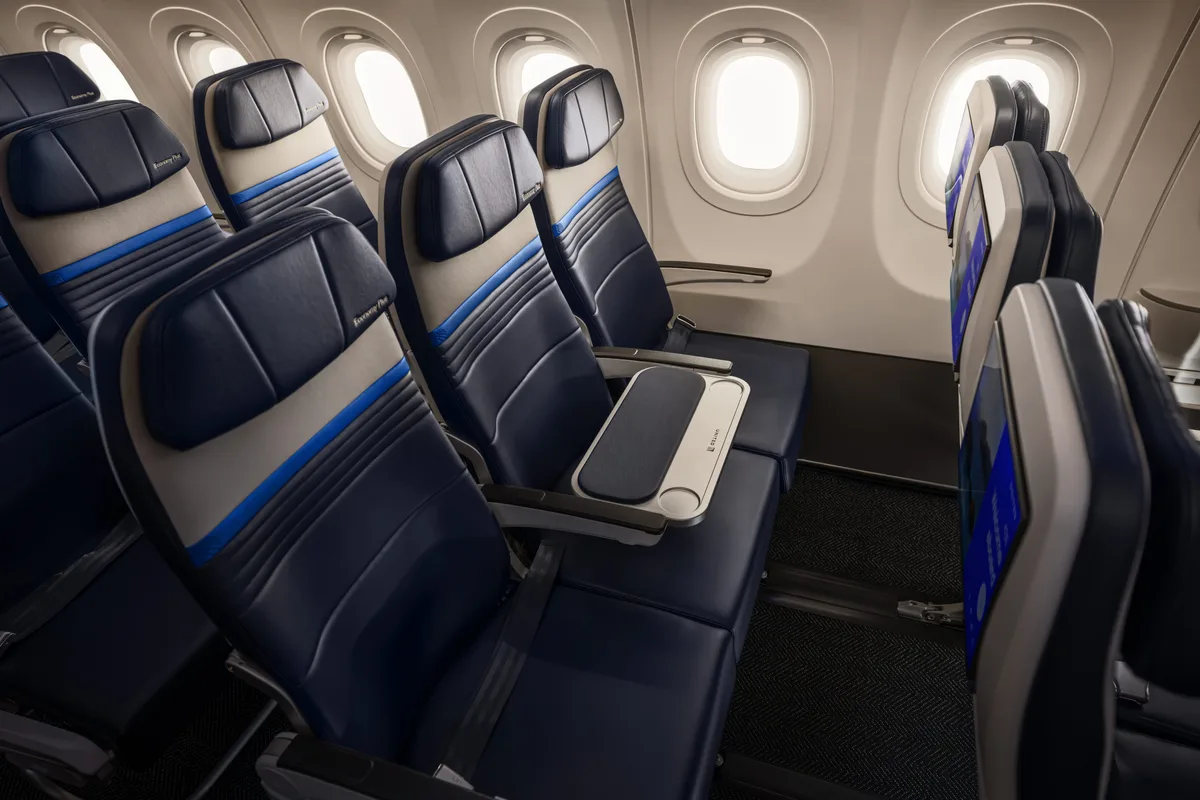
United Airlines is adding a new revenue lever to its growing arsenal of cabin upsells: the ability for passengers to pay extra to keep the middle seat beside them vacant. The feature is set to debut on the carrier's incoming Airbus A321XLR aircraft, marking another step in the industry's relentless march toward monetizing every square inch of cabin space.
The move is a telling signal of where airline economics are heading. Rather than simply offering upgraded seats with more legroom or better amenities, United is now effectively selling the absence of another human being — packaging negative space as a premium commodity. It's a model that budget carriers in Europe and Asia have experimented with, but its adoption by a major U.S. network carrier gives it a new level of mainstream legitimacy.
Read more Velocity Raises $38M to Build Enterprise Stablecoin Treasury Tools →
For travelers, the calculus is straightforward: on a long-haul narrowbody flight — precisely the kind of route the fuel-efficient A321XLR is designed to operate — an empty middle seat can meaningfully transform the experience. The aircraft is purpose-built for extended thin routes that were previously uneconomical, meaning passengers may find themselves airborne for many hours in a tighter cabin configuration than they're used to on widebody jets.
From a business strategy standpoint, the upsell also reflects a broader unbundling trend that has redefined commercial aviation over the past two decades. Airlines have steadily disaggregated the travel experience — separating checked bags, seat selection, boarding priority, and in-flight meals from base fares — and this latest offering extends that logic into social comfort. United is essentially betting that enough flyers will value guaranteed elbow room to make the program profitable without meaningfully cannibalizing ticket sales at other fare tiers.
Whether this becomes an industry-wide standard will depend heavily on passenger uptake and competitor response. If United finds a receptive market, expect rivals to study the numbers closely. Continue reading at US Top News and Analysis.