UN Shipping Agency Pushes Back on Trump's Hormuz Toll Plan
The IMO opposes transit fees on any international strait after Trump floated charges for Hormuz passage, raising global trade alarm.
The United Nations' International Maritime Organization has staked out a clear position against transit fees on international straits, a stance that puts the global shipping regulator in direct conflict with a proposal floated by the Trump administration to charge vessels passing through the Strait of Hormuz. The IMO's opposition underscores how quickly the idea has reverberated through international maritime governance circles, drawing an institutional response that rarely emerges this swiftly.
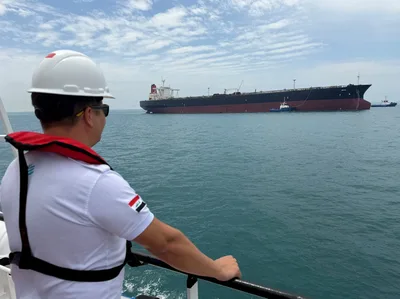
The Strait of Hormuz is one of the world's most critical maritime chokepoints, serving as the primary export corridor for crude oil and liquefied natural gas from major Gulf producers including Saudi Arabia, the United Arab Emirates, Kuwait, and Iraq. Any disruption to free passage — whether through military threat or economic toll — carries outsized consequences for global energy markets and, by extension, inflation and supply chains across importing nations.
Read more US Forces Strike Iranian Naval Facilities in Escalatory Move →
The IMO's opposition is grounded in long-standing international maritime law, specifically the United Nations Convention on the Law of the Sea, which guarantees the right of transit passage through international straits used for navigation. Imposing fees would represent a fundamental challenge to that framework — one that, if normalized, could encourage other nations controlling strategic waterways to follow suit, fragmenting the rules-based order that underpins global seaborne trade.
From a geopolitical standpoint, the Trump administration's willingness to weaponize geography as a revenue or leverage mechanism reflects a broader transactional approach to foreign policy. Yet the practical enforcement of such a toll would be legally contested and logistically complex, requiring cooperation from Iran — which borders the strait — and potentially triggering retaliatory measures that could destabilize shipping lanes far beyond the Persian Gulf.
The IMO's firm public stance signals that multilateral institutions are prepared to resist unilateral attempts to commercialize shared maritime corridors, even when the pressure originates from the United States. How the administration responds to this institutional pushback may reveal the seriousness of the Hormuz proposal versus its utility as diplomatic signaling. Continue reading at Reuters.