Trump Targets Brazil's Payment System as Dollar Stablecoins Rise
The White House eyes Brazil's domestic payments infrastructure while USD-pegged stablecoins are already reshaping how Brazilians transact.
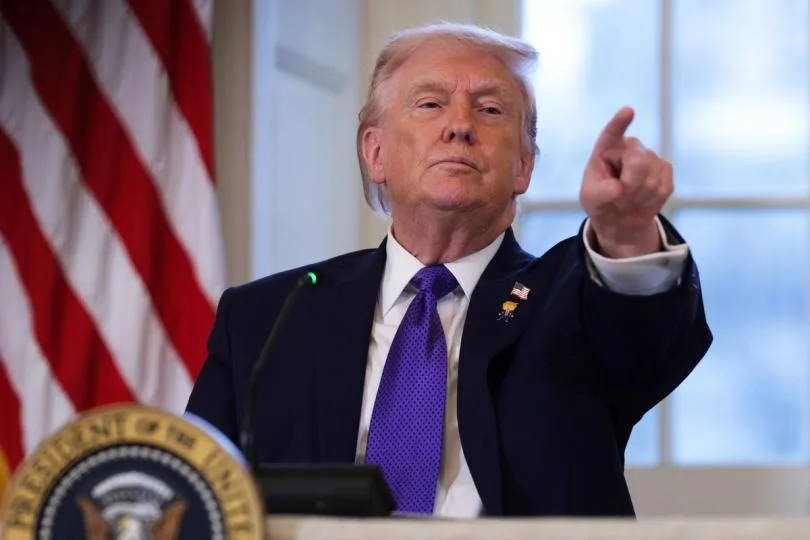
A quiet financial realignment is underway in Brazil, where the growing dominance of dollar-denominated stablecoins in everyday transactions is colliding with a newly assertive American trade posture. The Trump administration has reportedly set its sights on Brazil's homegrown payments ecosystem, raising questions about whether Washington's leverage is economic, technological, or both.
Brazil's Pix instant-payment system, launched by the country's central bank in 2020, became one of the fastest-adopted financial tools in any major economy, handling billions of transactions annually and reducing reliance on traditional card networks dominated by U.S. firms. That success may itself have drawn scrutiny from an administration keen to preserve American financial influence abroad.
Read more France Orders ISPs to Block Prediction Market Polymarket →
At the same time, dollar-backed stablecoins are reportedly penetrating Brazilian commerce at a pace that traditional remittance channels never managed. For ordinary Brazilians navigating persistent currency volatility, holding value in a dollar-pegged digital asset offers practical insulation — and that demand is being met without any formal U.S. policy push. The irony is that American monetary influence is spreading organically through crypto markets even as the White House considers more confrontational trade measures.
The convergence of these two dynamics — political pressure on Brazil's sovereign payments infrastructure and the grassroots dollarization enabled by stablecoins — illustrates a broader tension in global finance. Governments that built alternative payment rails to reduce dollar dependency may find that digital dollars simply route around them. For policymakers in Brasília, the challenge is no longer just diplomatic; it is architectural.
What this means in practice is that Brazil faces pressure from two directions simultaneously: top-down through potential U.S. trade policy and bottom-up through consumer-level stablecoin adoption. How the country responds could serve as a template for other emerging markets wrestling with the same dilemma. Continue reading at CoinDesk.