Xi Courts Global South With AI Training Pledge and Security Warnings
China is offering 5,000 AI training slots to developing nations while cautioning against security overreach in the technology's deployment.
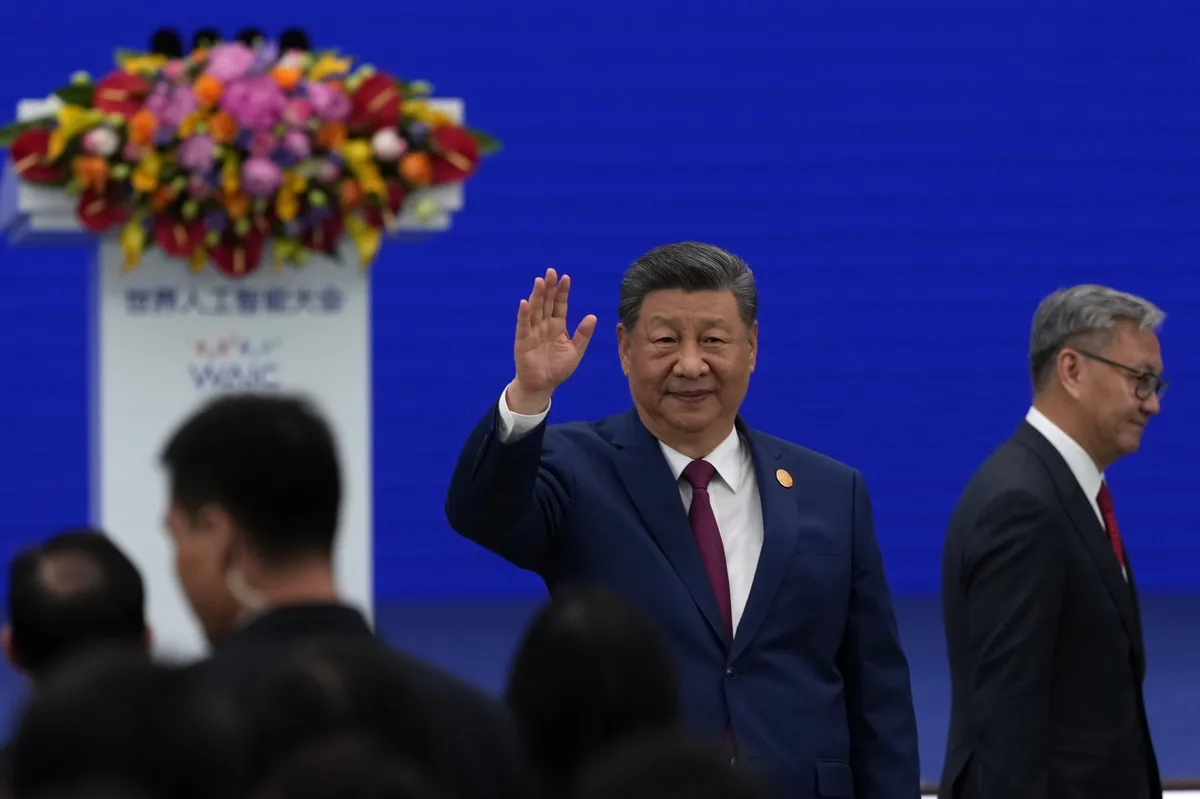
Chinese President Xi Jinping is positioning Beijing as the preferred artificial intelligence partner for the developing world, offering 5,000 training and seminar opportunities to emerging economies as part of a broader diplomatic push to shape how AI spreads beyond wealthy nations. The move signals China's intent to compete directly with Western tech powers for influence in a technology sector widely seen as defining the next era of geopolitical and economic power.
Beyond the training pledge, Beijing indicated plans to deepen AI cooperation with various regional blocs, suggesting a structured, multilateral approach rather than purely bilateral deals. That framing allows China to present itself not as an extractive partner but as a collaborative one — a deliberate contrast to narratives that have dogged Chinese infrastructure investment in Africa, Asia, and Latin America under the Belt and Road Initiative.
Read more Trump Threatens Tariff Add-On Over Canadian Wildfire Smoke →
Perhaps equally notable is Xi's public warning about the risks of AI and what he characterized as security overreach in the technology's application. By raising these concerns in the same breath as its partnership offers, Beijing appears to be crafting a message of responsible AI stewardship — implicitly critiquing how powerful nations, including the United States, have weaponized technology controls and export restrictions. The rhetorical move is calibrated to resonate with countries that feel excluded from the benefits of AI while bearing its risks.
The strategic calculus is straightforward: if China can establish training pipelines, shared standards, and cooperative frameworks with dozens of developing nations before Western alternatives take hold, it gains lasting influence over how those countries regulate, deploy, and depend on AI systems. Capacity-building programs are rarely just educational — they also export norms, platforms, and vendor relationships that persist long after the seminars end.
For analysts watching the contest for AI governance influence, this announcement underscores that the race is no longer confined to chip performance or model benchmarks. It is increasingly fought in diplomatic conference rooms and training centers across the Global South. Continue reading at US Top News and Analysis.