Trump's Foreign Real-Estate Licensing Income Nearly Doubled in Recent Period
New disclosures show Trump's overseas licensing revenue surged, with Qatar and Romania among newly added countries raising ethics alarms.
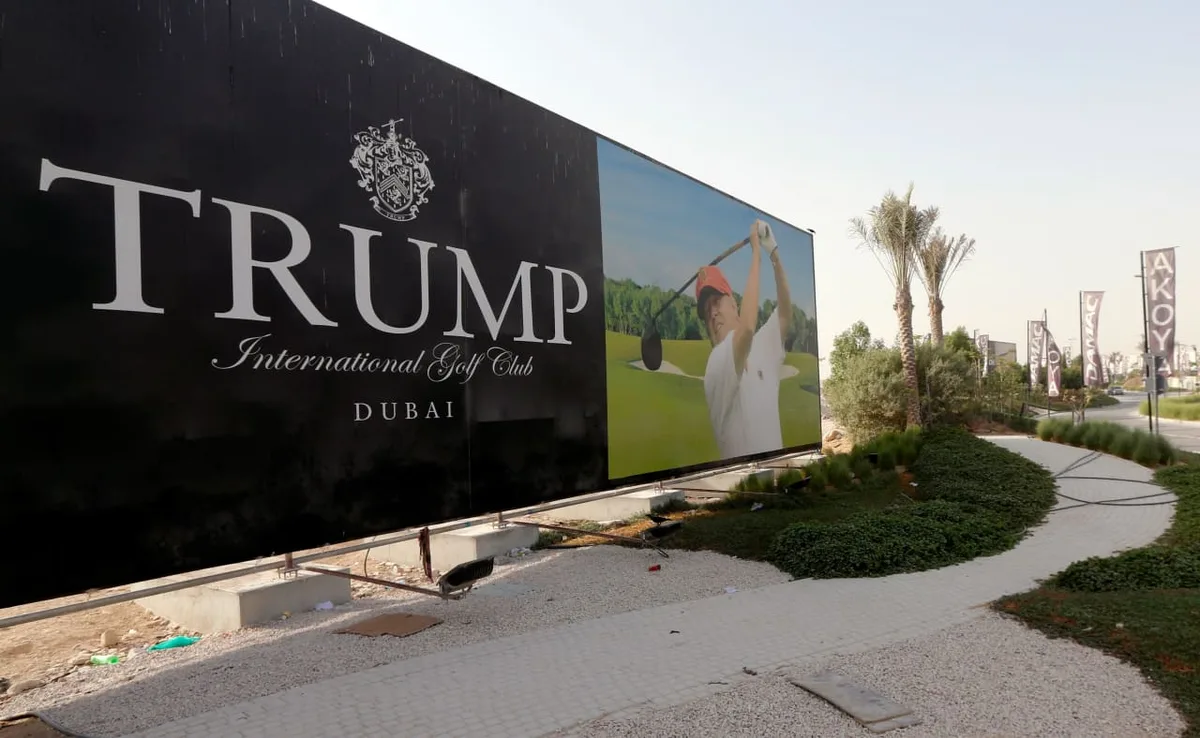
President Donald Trump's income from real-estate licensing deals in foreign countries has nearly doubled, according to new financial disclosures reviewed by MarketWatch, with Qatar and Romania emerging as notable additions to a portfolio that already spanned multiple nations. The growth in overseas licensing revenue intensifies longstanding questions about whether a sitting president's private business interests can be cleanly separated from U.S. foreign policy decisions.
Licensing arrangements — in which the Trump name is attached to properties developed by third parties in exchange for fees — have long been a core revenue engine for the Trump Organization. Unlike direct ownership stakes, these deals are structurally easier to maintain while in office, but critics argue they still create meaningful financial entanglements with foreign governments and business communities that interact with U.S. policy at the highest levels.
Read more Ford CEO Pushes for Fair Trade Rules as USMCA Talks Resume →
The inclusion of Qatar is particularly significant given the Gulf state's complex recent history with the Trump administration, including a period of diplomatic tension during his first term. Romania, a NATO ally navigating its own political crosscurrents, adds another dimension to the portfolio. The simultaneous expansion into both countries while Trump holds executive power offers a concrete example of why ethics experts have pushed for stricter divestiture standards for presidents.
At least one ethics watchdog organization has stated it holds "grave concerns about the president doing business in foreign countries," a phrase that encapsulates the broader institutional anxiety: licensing fees, however passive they may appear on paper, represent a financial relationship between the president and foreign actors who may have interests before his administration. Without robust disclosure and enforcement mechanisms, the arrangement relies almost entirely on public trust.
The near-doubling of this income stream during a period of active U.S. diplomacy across the Middle East and Eastern Europe will likely fuel renewed calls in Congress and among good-government groups for legislation requiring presidential candidates and officeholders to place business assets in blind trusts. Continue reading at MarketWatch.com