Ford CEO Pushes for Fair Trade Rules as USMCA Talks Resume
Ford's CEO is calling for a level playing field with Toyota and GM on imports as USMCA renegotiations get underway.
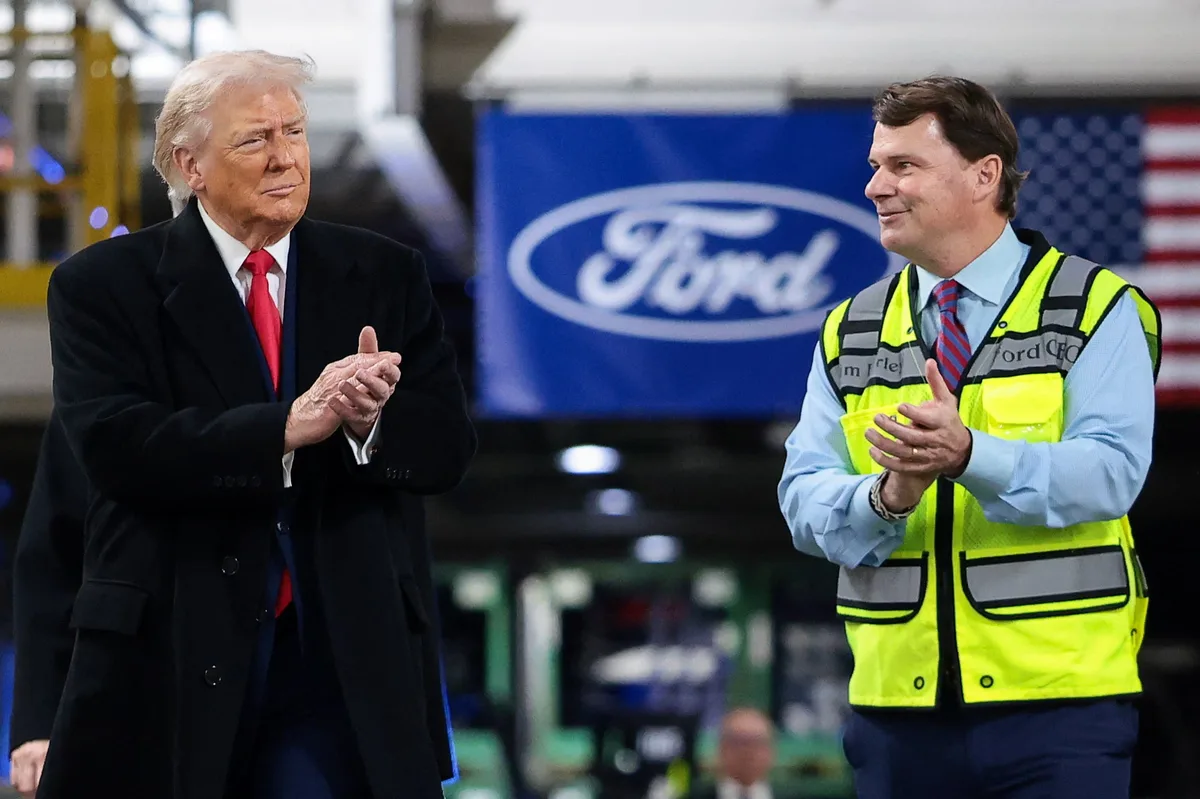
As the United States-Mexico-Canada Agreement enters a fresh round of renegotiations, Ford Motor Company's chief executive is pressing for trade rules that treat domestic automakers and foreign competitors equally. The argument centers on how imported vehicles from manufacturers like Toyota and General Motors are handled under the evolving framework — a concern that carries real weight given Ford's outsized investment in American manufacturing.
Ford says it assembled more than 2 million vehicles on U.S. soil last year, a figure the company claims exceeds every other automaker operating in the country. Of those, roughly 311,000 units were built for export, underscoring that Ford's domestic footprint isn't merely serving American consumers — it's functioning as a platform for global supply as well.
Read more UK Regulators Push Tokenized Payments in Retail Blueprint Update →
The timing of Ford's push is significant. USMCA, which replaced NAFTA in 2020, is subject to a formal review process, and automakers on all sides are lobbying to shape its next iteration. For Ford, the core grievance appears to be competitive asymmetry: if rival manufacturers can import vehicles under terms more favorable than those applied to domestically assembled cars, the economic incentive to build in America erodes over time.
The broader policy debate touches on a question that resonates well beyond the auto industry — namely, whether trade agreements adequately reward companies that make substantial domestic investments. Ford's argument is essentially that assembling over two million vehicles on American soil should come with a reciprocal advantage in market access rules, not a competitive disadvantage relative to manufacturers with lighter U.S. manufacturing footprints.
How trade negotiators respond could set a precedent for how the USMCA review balances the interests of domestic producers against the integrated supply chains that define North American auto manufacturing. Continue reading at US Top News and Analysis.