Trump Renews Pressure on Fed Over Interest Rate Policy
President Trump publicly criticized the Federal Reserve's rate decisions, claiming the U.S. should be paying far less in interest.
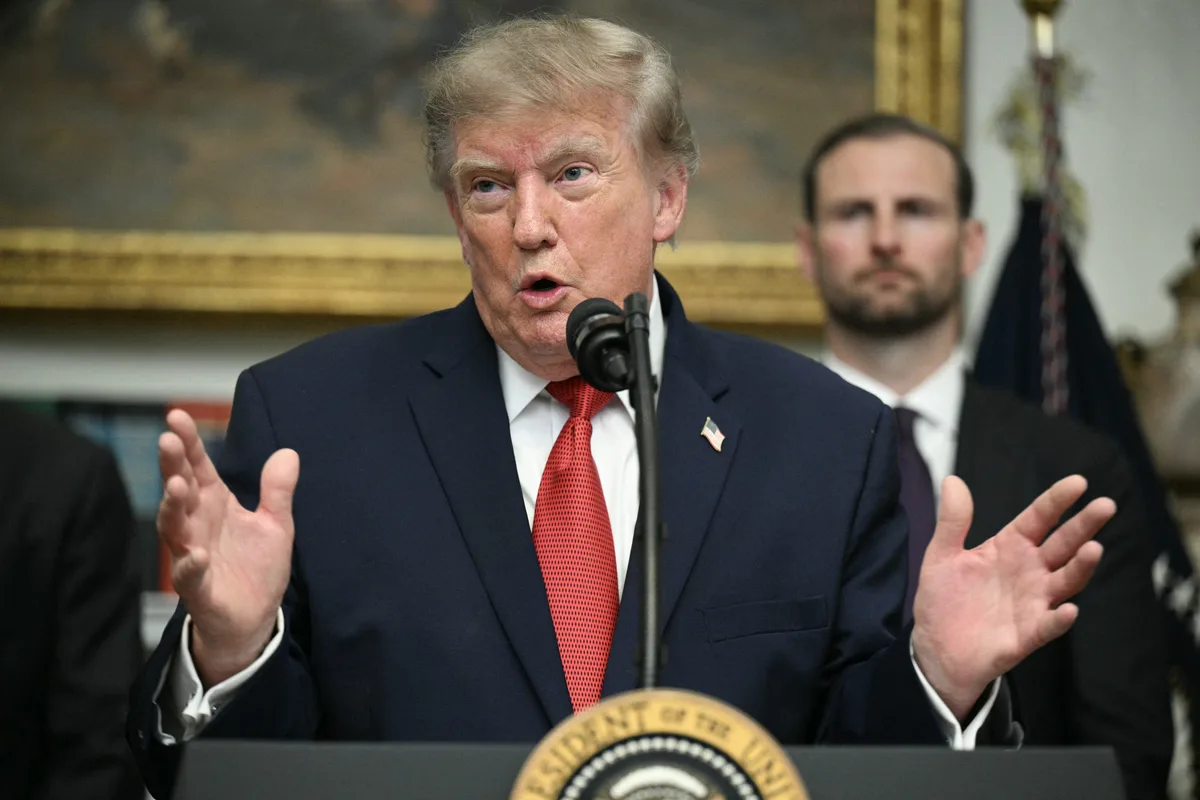
President Donald Trump has once again trained his sights on the Federal Reserve, publicly lamenting what he describes as unnecessarily high interest rates and arguing that the United States should be carrying a far lighter borrowing burden. The remarks follow a well-established pattern of executive pressure on the central bank, an institution deliberately insulated from political interference by design.
Central to Trump's critique is the familiar allegation that Fed officials are acting on political motivations rather than purely economic ones — a charge he has leveled repeatedly throughout both his first and second terms. That framing matters: by questioning the Fed's impartiality, Trump is effectively contesting the foundational premise of central bank independence, a cornerstone of modern monetary policy credibility.
Read more Fed Chair Warsh's Jackson Hole Speech: What to Expect →
The tension between the White House and the Fed carries meaningful implications for markets and everyday borrowers alike. When presidential rhetoric persistently challenges the central bank's autonomy, it can introduce uncertainty into rate expectations, complicate the Fed's communications strategy, and, in extreme cases, erode investor confidence in dollar-denominated assets. So far, the Fed has maintained its policy course without publicly yielding to executive pressure.
Economists broadly agree that central bank independence exists precisely to shield monetary decisions from short-term political calculations — allowing policymakers to make unpopular but necessary moves, such as holding rates higher for longer to combat inflation, without fear of electoral consequence. Trump's ongoing campaign against Fed policy tests how durable that institutional norm truly is under sustained public pressure from the nation's highest office.
Continue reading at US Top News and Analysis.