Bessent's Treasury Moves Undercut Fed Chair Warsh's Rate Authority
Treasury Secretary Bessent's direct intervention in bond markets to reduce borrowing costs is raising questions about the Fed's independence under Chair Kevin Warsh.
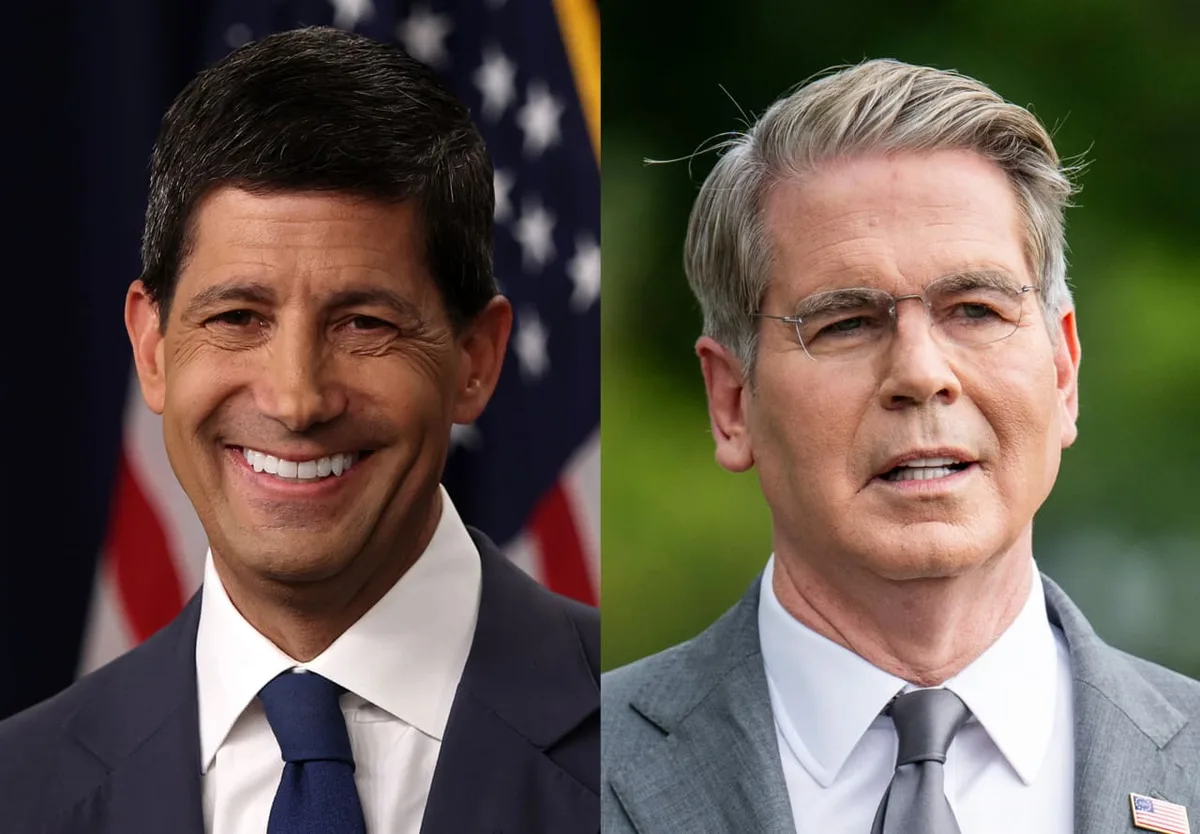
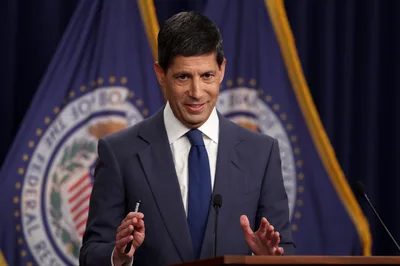
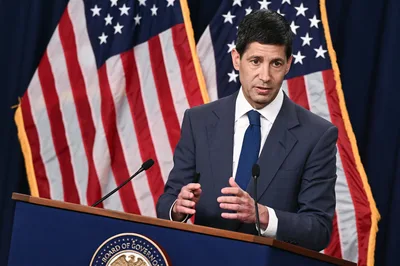
A surprising intervention by Treasury Secretary Scott Bessent in the U.S. government bond market this week has set off alarm bells among monetary policy experts, who warn that the move is eroding the institutional credibility of Federal Reserve Chair Kevin Warsh before he has even fully established his tenure. By actively maneuvering to push down the cost of government debt, Bessent is stepping into territory that has traditionally been left to the central bank — and the implications for the Fed's independence are significant.
The Treasury Department's role has historically been to manage debt issuance and fiscal operations, not to engineer borrowing costs directly. When the executive branch begins pulling levers that influence interest rates — even indirectly — it blurs the constitutional and operational separation that allows the Federal Reserve to credibly set monetary policy free from political pressure. Experts cited in the reporting argue that this kind of activist posture from Bessent's Treasury fundamentally weakens the signal that any Fed rate decision sends to financial markets.
Read more Fed Chair Warsh's Jackson Hole Speech: What to Expect →
For Warsh, the timing is particularly consequential. A Fed chair's credibility rests on the market's belief that rate decisions are driven by economic data and inflation dynamics, not by coordination with — or competition against — the Treasury. If investors begin to suspect that Treasury maneuvers are doing the rate-suppression work that the Fed might otherwise resist, the central bank loses a key tool: its ability to anchor long-term inflation expectations through the sheer force of its independence.
The broader pattern here is one of an unusually assertive Treasury Department willing to intervene in markets in ways that serve the administration's fiscal objectives. Whether that represents a durable policy posture or a one-time tactical move remains to be seen, but either way it injects a new variable into an already complex inflation-and-growth calculus that Warsh and the Fed's rate-setting committee must navigate. The tension between an activist Treasury and an independent central bank is not new in American economic history, but it rarely surfaces this openly or this early in a new Fed chair's term.
Continue reading at MarketWatch.com