Trump Hedges on Iran Oil Deal as Bessent Extends Import Window
President Trump declined to guarantee Iran won't use oil revenues to rebuild its military, even as Treasury authorized imports through August.
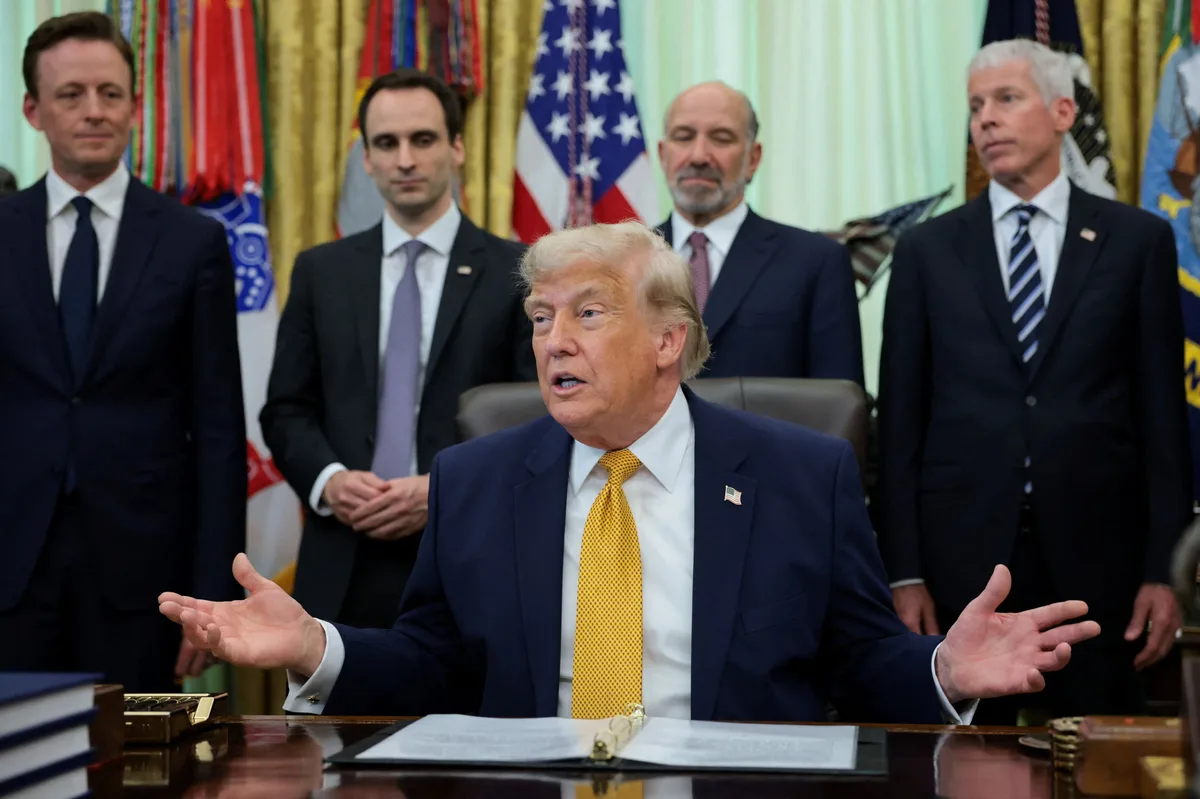
The Trump administration is navigating a delicate tension at the heart of its Iran policy: engaging economically with Tehran while remaining unable — or unwilling — to guarantee that the resulting revenues won't flow back into the country's military apparatus. When pressed on the question, President Trump offered a notably non-committal 'we'll see,' a phrase that has become a signature hedge during moments of genuine policy uncertainty.
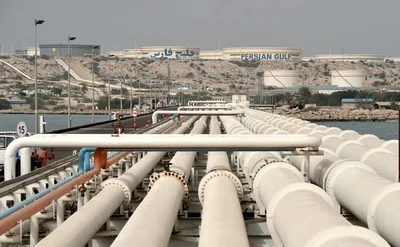
The concrete dimension of this posture came from Treasury Secretary Scott Bessent, who formally authorized the importation of Iranian oil and refined petroleum products into the United States through at least August. That decision represents a significant departure from the maximum-pressure sanctions framework that defined earlier U.S. policy toward Iran, and it hands Tehran a tangible economic lifeline at a moment when the two countries are reportedly engaged in diplomatic back-channels.
Read more China Hits Dozens of U.S. Firms With Trade Curbs Over Pentagon List →
The strategic gamble embedded in this approach is considerable. Critics of engagement-oriented Iran policy have long argued that oil revenues are fungible — meaning any dollar that enters Tehran's treasury can, in principle, be redirected toward military procurement, proxy support, or ballistic missile development. The administration's refusal to offer ironclad assurances suggests officials are either confident in monitoring mechanisms not yet disclosed publicly, or they are prioritizing near-term diplomatic progress over long-term military containment guarantees.
What makes Trump's hedge particularly striking is its candor. Rather than offering a confident assertion that safeguards exist, the president essentially acknowledged the uncertainty openly. That kind of transparency cuts both ways: it avoids an overreach that could later prove embarrassing, but it also signals to allies in the Gulf and in Israel that Washington's commitments on Iranian military containment remain genuinely conditional. The August timeline for Bessent's authorization also implies the policy remains under active review, with future decisions likely tied to the trajectory of any broader negotiations.
Continue reading at US Top News and Analysis