China Hits Dozens of U.S. Firms With Trade Curbs Over Pentagon List
Beijing retaliates after the Pentagon expanded its military-linked company blacklist, targeting U.S. firms with new trade restrictions.
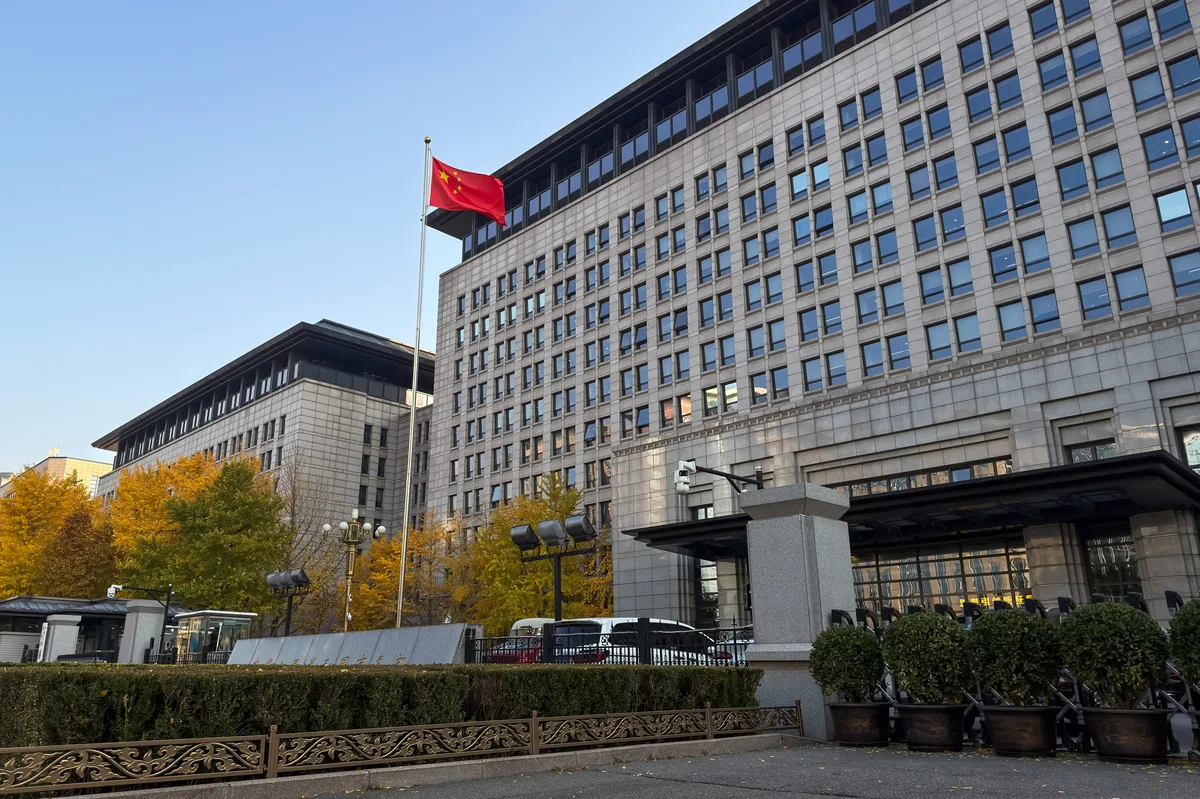
The escalating tit-for-tat between Washington and Beijing entered a new chapter as China announced trade curbs against dozens of American companies, a direct response to the Pentagon's recent expansion of its so-called 1260H list — a roster of firms the U.S. Defense Department believes are supporting China's military modernization efforts.
The 1260H list, named after a provision in the 2021 National Defense Authorization Act, does not impose sanctions on its own but carries significant reputational and regulatory weight. Being named on it can complicate a Chinese company's ability to raise capital from U.S. investors and signals Washington's broader concern about the blurring lines between China's commercial technology sector and its military apparatus.
Read more Former Trump Advisor Makes Bold Case for Bitcoin Adoption →
Beijing's countermeasures follow an established playbook: respond to U.S. designations with mirror-image pressure on American entities. By targeting U.S. firms with trade restrictions, China is signaling that economic interdependence remains a two-way lever — and that American companies operating in or relying on Chinese markets are not insulated from geopolitical crossfire. The move underscores how the technology competition between the two superpowers is increasingly spilling into commercial and trade channels that were once considered separate from defense policy.
The pattern of action and retaliation raises serious questions about where the ceiling of this economic confrontation lies. Each new escalation narrows the space for diplomatic de-escalation and raises the cost of doing business across the Pacific for companies on both sides. For multinational firms caught in the middle, the message is clear: supply chain and market exposure to either country now carries heightened geopolitical risk that board rooms can no longer treat as a peripheral concern.
Continue reading at US Top News and Analysis.