Treasury Market Calm May Not Survive September Bond Surge
A fragile peace in the Treasury market faces a stress test as major corporations prepare a heavy wave of bond issuance this fall.
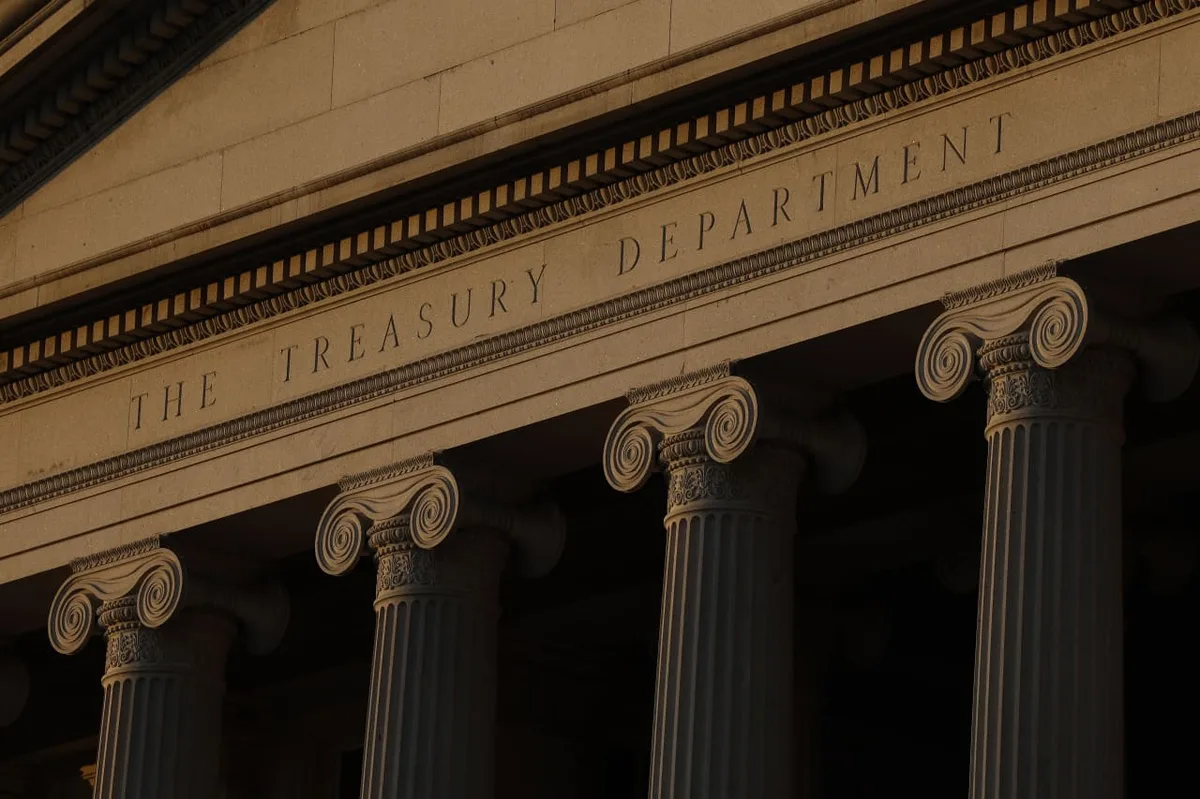
The U.S. Treasury market has found a tentative equilibrium after a turbulent summer, but analysts warn that equilibrium could prove short-lived. September historically marks one of the busiest periods for corporate bond issuance, and this year's pipeline appears especially heavy, with many of the world's largest companies poised to tap debt markets simultaneously.
The timing matters because corporate bond sales don't occur in a vacuum. When large issuers flood the market, they typically engage in rate-lock hedging strategies that put additional upward pressure on Treasury yields — amplifying volatility at a moment when the government bond market is already navigating elevated rate uncertainty and shifting Federal Reserve expectations.
Read more Options Market Points to S&P 500 Gains, With One Caveat →
What makes this cycle particularly worth watching is the compounding effect of scale. A single large issuer can move spreads; a coordinated wave of them arriving in the same narrow window can stress market-making capacity and liquidity in ways that ripple well beyond corporate credit into benchmark Treasuries. The summer's turbulence demonstrated how quickly calm can unravel when supply and sentiment shift together.
For investors, the key question is whether demand — from pension funds, insurers, and overseas buyers — will prove deep enough to absorb the coming supply without forcing yields meaningfully higher. If it doesn't, the repricing could tighten financial conditions more broadly, complicating both the Fed's calculus and the outlook for risk assets heading into the fourth quarter.
Continue reading at MarketWatch.com