Options Market Sees Muted Nvidia Earnings Reaction Ahead
Traders pricing in the calmest Nvidia earnings move in years, which some analysts say could be an opening for AI optimists.
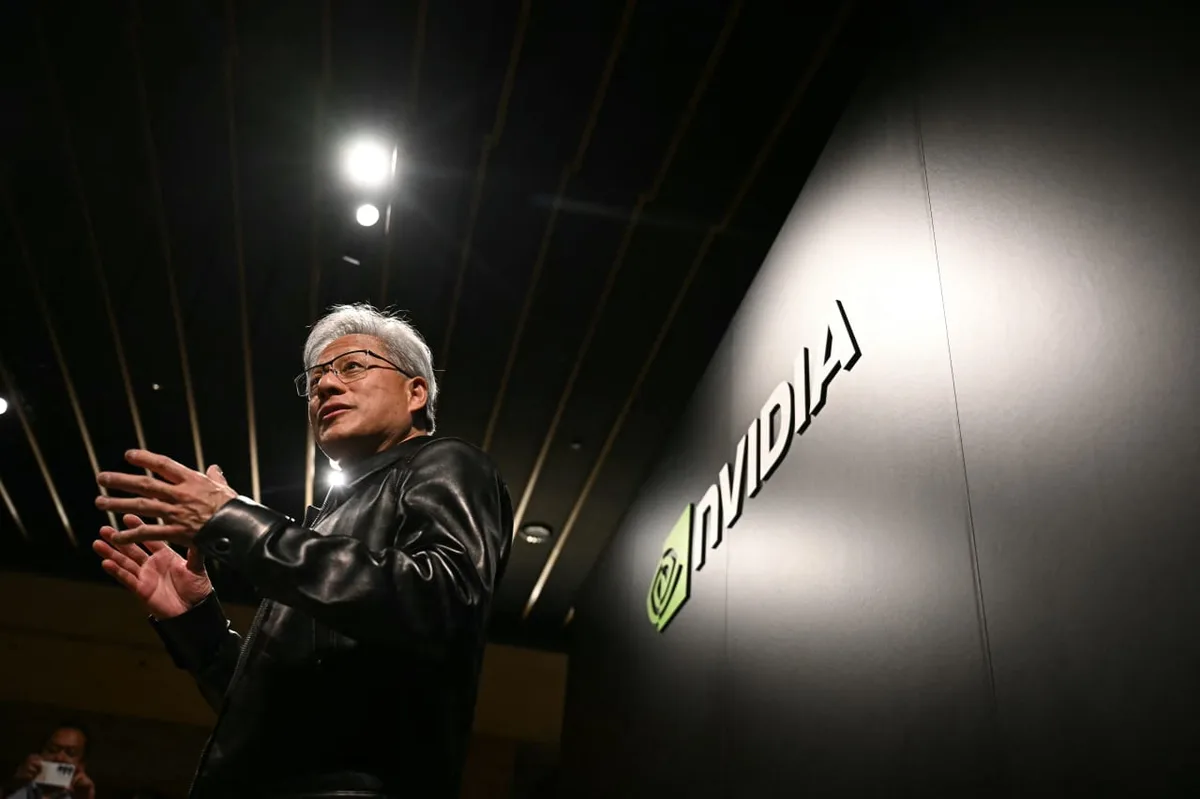
Nvidia's quarterly earnings reports have become something of a ritual for markets since the artificial intelligence investment wave accelerated following ChatGPT's debut in late 2022. Each release has carried the weight of a referendum on AI spending, capable of sending the chipmaker's stock — and broader sentiment around technology equities — sharply in either direction. That dynamic may be shifting, at least according to the signals embedded in the options market.
Options traders are currently pricing in what would be the most subdued post-earnings price swing for Nvidia in several years. When options premiums compress ahead of a major catalyst like an earnings report, it typically reflects a market consensus that the outcome will be relatively predictable, or that the stock has already absorbed much of its potential upside and downside. For a company that has routinely delivered seismic surprises, this relative calm is itself notable.
Read more Options Market Points to S&P 500 Gains, With One Caveat →
The analytic case for contrarians is straightforward: when implied volatility is low, buying options becomes comparatively cheap. If Nvidia's results or guidance land with even modest force — in either direction — traders who positioned ahead of the event could capture outsized returns relative to their cost of entry. That asymmetry is precisely what some AI bulls appear to be eyeing as an entry point rather than a warning sign.
The broader context matters here. Nvidia remains the central hardware supplier powering the AI infrastructure buildout, and its earnings call functions as a real-time gauge of enterprise and hyperscaler demand for accelerated computing. A muted volatility forecast does not necessarily mean the results will be uneventful — it means the market, collectively, is less certain that fireworks are coming. History suggests that such complacency around Nvidia has occasionally proven costly.
Continue reading at MarketWatch.com