Top Energy Investment Plays to Watch Through Year-End
Analysts spotlight key energy sector opportunities, including a 'behind-the-meter' power strategy gaining traction with investors.
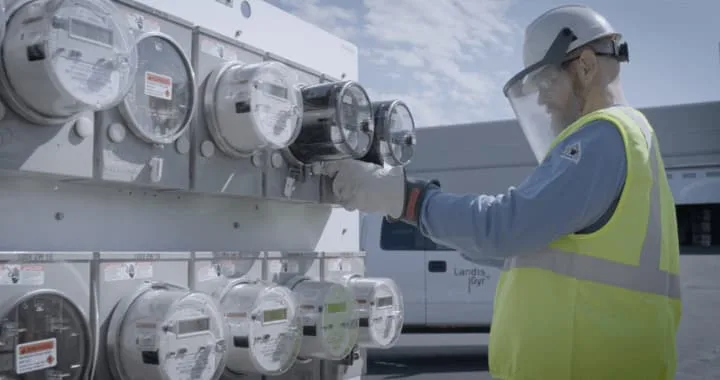
As energy markets navigate a volatile mix of rising demand, grid constraints, and the accelerating buildout of data centers and AI infrastructure, investors are hunting for plays that sit outside the traditional utility framework. One concept drawing particular attention is so-called 'behind-the-meter' power — energy generated and consumed on-site, bypassing the public grid entirely. The model offers companies a way to sidestep grid congestion and unpredictable transmission costs.
The CEO of a company at the forefront of this behind-the-meter movement recently discussed the opportunity with US Top News and Analysis, framing it as a structural shift rather than a speculative bet. The logic is straightforward: as large commercial and industrial consumers — particularly hyperscale data centers — struggle to secure reliable grid capacity, on-site generation becomes less of a luxury and more of a necessity. That dynamic is reshaping how capital flows into the broader energy sector.
Read more Options Market Points to S&P 500 Gains, With One Caveat →
Beyond the behind-the-meter theme, the broader energy landscape heading into the second half of the year presents a layered set of opportunities. Traditional oil and gas names, renewable infrastructure plays, and power equipment suppliers are all being reassessed as electricity demand forecasts are revised upward. The intersection of AI-driven power consumption and aging grid infrastructure has created a sense of urgency that is accelerating investment timelines across the sector.
What makes the behind-the-meter thesis particularly compelling from an analytical standpoint is its relative insulation from regulatory and rate risk. Companies that generate power at or near the point of consumption are less exposed to utility rate decisions and transmission bottlenecks — factors that have historically introduced uncertainty into energy cost structures. For investors, that translates into a more predictable revenue and cost profile for the companies deploying this model.
The energy sector's second half outlook, in short, is being shaped by forces that extend well beyond commodity prices. Grid reliability, power proximity, and the infrastructure demands of a digitizing economy are the deeper currents to watch. Continue reading at US Top News and Analysis.