Supreme Court Clears Path for Presidents to Fire Independent Regulators
A landmark ruling overturning 'Humphrey's Executor' gives presidents broad new authority to remove heads of independent federal agencies.
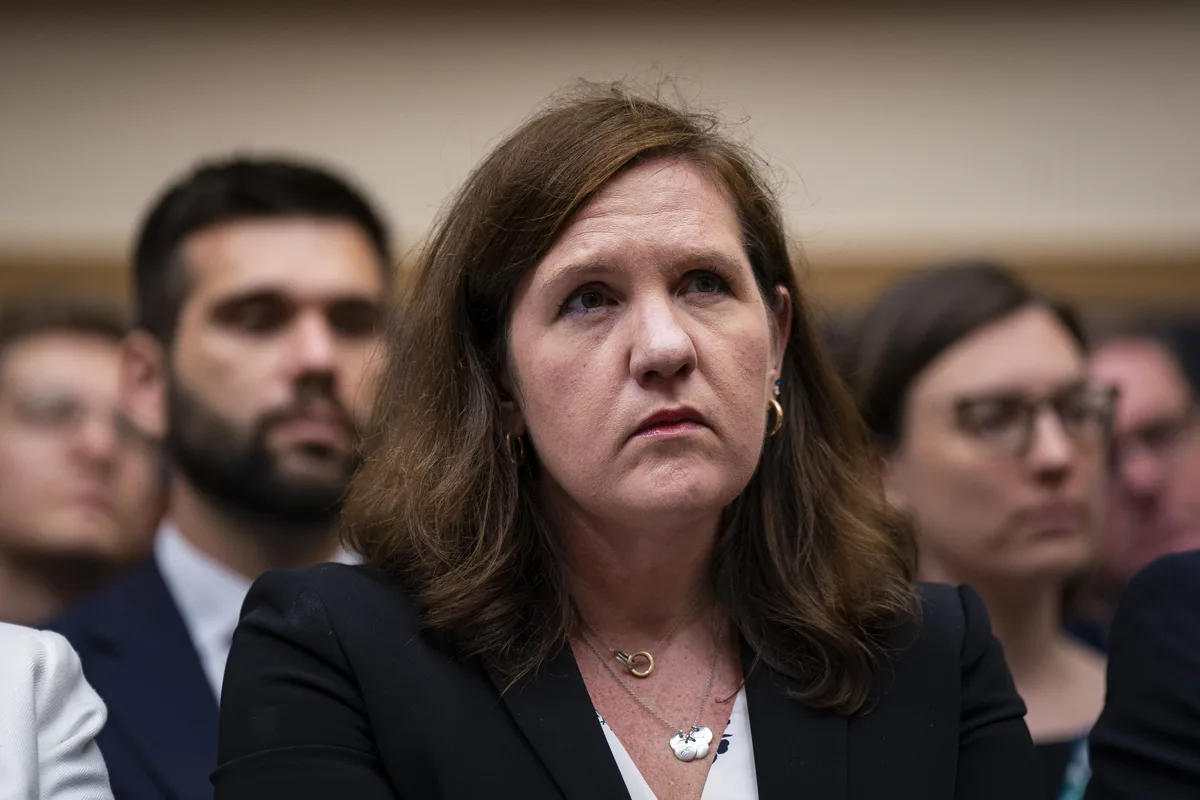
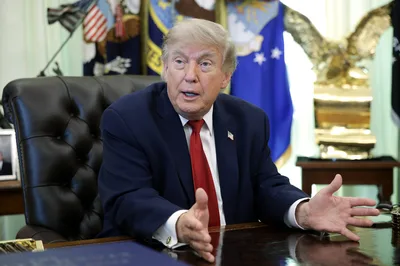
The Supreme Court has handed President Donald Trump a sweeping victory in a case that reshapes the balance of power between the White House and the federal regulatory state. At the center of the decision is the firing of FTC Commissioner Rebecca Slaughter — a move the Court has now ruled was within presidential authority, dismantling a legal firewall that independent agency heads had relied on for nearly a century.
The ruling overturns the landmark 1935 precedent known as "Humphrey's Executor," which had established that presidents could not remove commissioners of independent agencies — such as the Federal Trade Commission — without cause. That doctrine became the constitutional backbone of the modern regulatory state, shielding the leadership of agencies like the FTC, the SEC, and the NLRB from direct presidential control. Today's decision effectively ends that protection.
Read more Trump Criticizes Supreme Court Ruling on Mississippi Mail-In Ballots →
The practical implications are significant. Independent agencies were designed precisely to insulate expert regulators from short-term political pressures, allowing them to make decisions on antitrust enforcement, securities oversight, and labor relations based on institutional expertise rather than White House priorities. By granting presidents the power to remove those officials at will, the Court tilts that calculus sharply toward executive dominance — a structural change that could ripple through decades of regulatory practice.
The ruling is the latest in a series of decisions that have steadily expanded executive authority while narrowing the administrative state's autonomy. Critics will argue it politicizes institutions that Congress deliberately kept at arm's length; supporters contend it restores democratic accountability by ensuring that elected presidents — not unelected commissioners — hold final sway over federal policy. Either way, the decision marks a constitutional turning point for how the United States governs its sprawling regulatory apparatus.
Continue reading at US Top News and Analysis.