Trump Criticizes Supreme Court Ruling on Mississippi Mail-In Ballots
Trump called the ruling a 'tremendous loss' after Justice Barrett sided against his position on late-arriving absentee ballots in Mississippi.
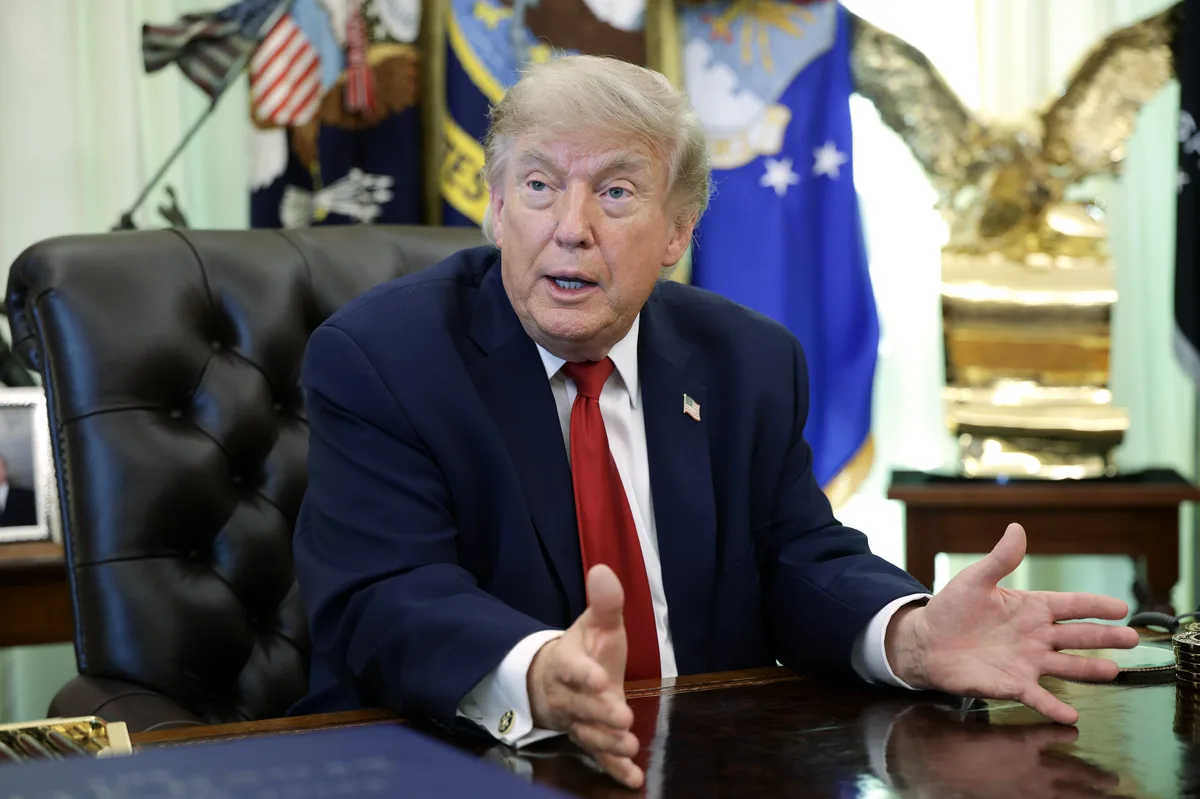
President Donald Trump publicly expressed frustration following a Supreme Court decision that upheld Mississippi's practice of counting late-arriving absentee ballots, describing the outcome as a 'tremendous loss.' The ruling represented a notable moment in which Justice Amy Coney Barrett — one of Trump's own nominees — rejected the legal arguments his allies had advanced.
At the center of the case was the question of whether federal election laws preempt Mississippi's policy allowing mail-in ballots that arrive after Election Day to still be counted. Justice Barrett, whom Trump appointed to the high court in 2020, found those federal preemption arguments unpersuasive, effectively preserving the state's existing absentee ballot rules.
Read more Supreme Court Rulings on Fed and FTC: Consumer Impact Explained →
For Trump, the decision landed as a political and legal setback on an issue he has long treated as a core vulnerability in American elections. He has repeatedly questioned the integrity of mail-in voting, and the court's refusal to curtail the practice in Mississippi underscores the limits of that campaign — even with a conservative supermajority on the bench that includes three of his own appointees.
Rather than retreating from the issue, Trump used the ruling as a springboard to double down on his push for stricter voter identification legislation, signaling that the administration intends to pursue election integrity measures through Congress rather than the courts. The move reflects a broader strategic pivot: when judicial avenues close, the political pressure shifts toward the legislative arena, where Republican majorities could potentially advance tighter voting requirements.
The episode illustrates a recurring tension in Trump's relationship with the judiciary — even justices he placed on the bench are not reliable proxies for his preferred policy outcomes, a dynamic that is likely to shape how his administration frames future legal and legislative strategies on election law. Continue reading at US Top News and Analysis.