Strait of Hormuz Tensions Accelerate Middle East Pipeline Investment
Rising fears over Hormuz disruption are pushing Gulf states to fast-track overland pipeline alternatives to secure oil export routes.
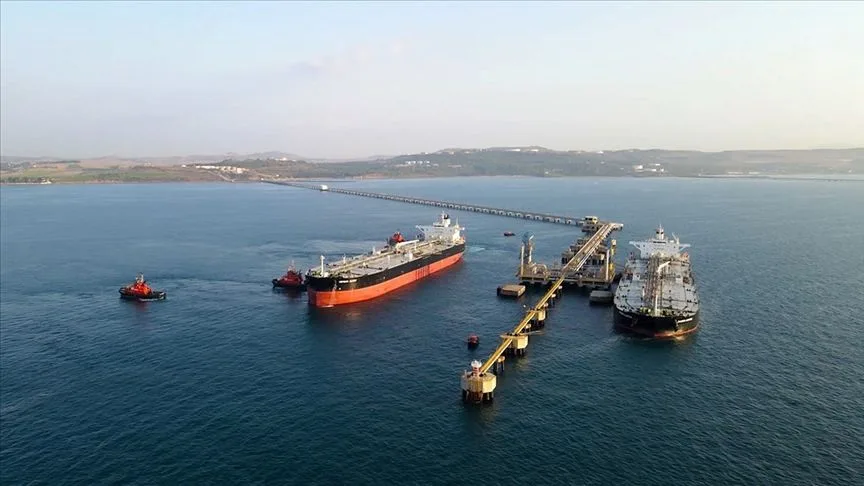
The Strait of Hormuz has long been the world's most consequential maritime chokepoint, carrying roughly a fifth of global oil supply through a narrow passage between Iran and Oman. Now, renewed geopolitical tensions in the region are forcing Gulf energy exporters to confront a question they have long deferred: what happens if that passage closes?
The answer, increasingly, involves steel in the ground. Pipeline infrastructure that can route crude and liquefied natural gas overland — bypassing Hormuz entirely — is drawing fresh urgency and investment from producers who once treated such projects as expensive insurance policies they hoped never to need. The strategic calculus has shifted, and capital is following.
Read more TSMC Upgraded to Buy as AI Demand and EUV Edge Converge →
For Gulf states, the appeal is straightforward. Overland export corridors reduce dependence on a single maritime route that is vulnerable to Iranian interdiction, regional conflict, or even the threat of conflict, which alone is enough to spike insurance premiums and rattle energy markets. A credible bypass changes the leverage equation significantly, giving exporters more pricing stability and geopolitical flexibility.
The broader implication for global energy markets is notable. If Gulf producers successfully diversify their export infrastructure, the Hormuz chokepoint loses some — though far from all — of its power to send oil prices spiraling on a single news cycle. That would represent a meaningful structural change in how Middle Eastern energy supply interfaces with global market volatility, one that analysts and traders will need to price into long-run models.
The pipeline boom also reflects a wider pattern in which energy security concerns, accelerated by the war in Ukraine and its supply disruptions, are prompting both producing and consuming nations to rethink infrastructure redundancy as a geopolitical asset rather than a pure cost center. Continue reading at Yahoo Finance.