SpaceX IPO Lockup Expiration in August: What It Means for Investors
SpaceX's post-IPO lockup period begins expiring in August, potentially unleashing a new wave of insider selling that could test market demand.
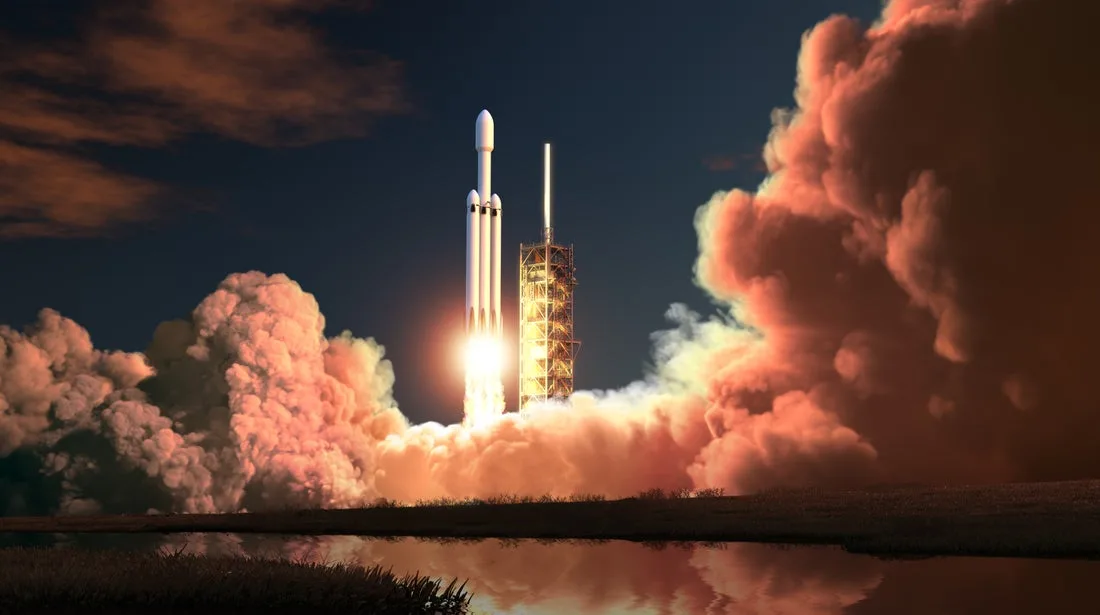
When a company goes public, lockup agreements serve as a contractual dam holding back insider shares for a set period — typically 90 to 180 days — after the offering. As SpaceX approaches the expiration of those restrictions beginning in August, market watchers are bracing for what could be a meaningful test of investor appetite for one of the most closely watched private-to-public transitions in recent memory.
The expiration of lockup periods is a well-documented market event, but the stakes feel particularly elevated with SpaceX. Early employees, venture backers, and other insiders who have waited years to monetize their stakes may finally have the legal clearance to sell. Whether they choose to do so — and in what volume — will send a signal about how insiders themselves value the company at its current market price.
Read more Big Tech Faces Pressure to Justify AI Spending Amid Selloff →
What makes this wave potentially more consequential than routine lockup expirations is the composition of likely sellers. Unlike institutional investors who entered at the IPO price and may be sitting on modest gains, earlier insiders could be holding shares acquired at a fraction of today's valuations. That dynamic creates both the financial incentive and the psychological latitude to take chips off the table, even if they remain long-term believers in the company's mission.
From an analytical standpoint, heavy insider selling shortly after a lockup expiration does not necessarily signal distress — it is a normal part of the liquidity cycle for pre-IPO stakeholders. However, the pace and scale of selling relative to daily trading volume will matter. If sell orders materially outpace buyer demand, downward price pressure could rattle retail investors who came in after the IPO and lack the same cost basis cushion.
The broader market context will also shape the outcome. Rising interest rates, shifting risk appetite, and competition for capital across the aerospace and technology sectors all factor into whether institutional buyers step in to absorb supply. SpaceX's fundamental story — launch dominance, Starlink revenue, and long-term government contracts — remains compelling, but compelling narratives are tested most severely when supply surges meet uncertain demand. Continue reading at Yahoo Finance.