Seagate Bets on AI Storage Demand and High-Capacity HDDs
Seagate Technology is positioning itself at the intersection of cloud expansion and AI infrastructure, leaning on higher-capacity hard drives to drive growth.
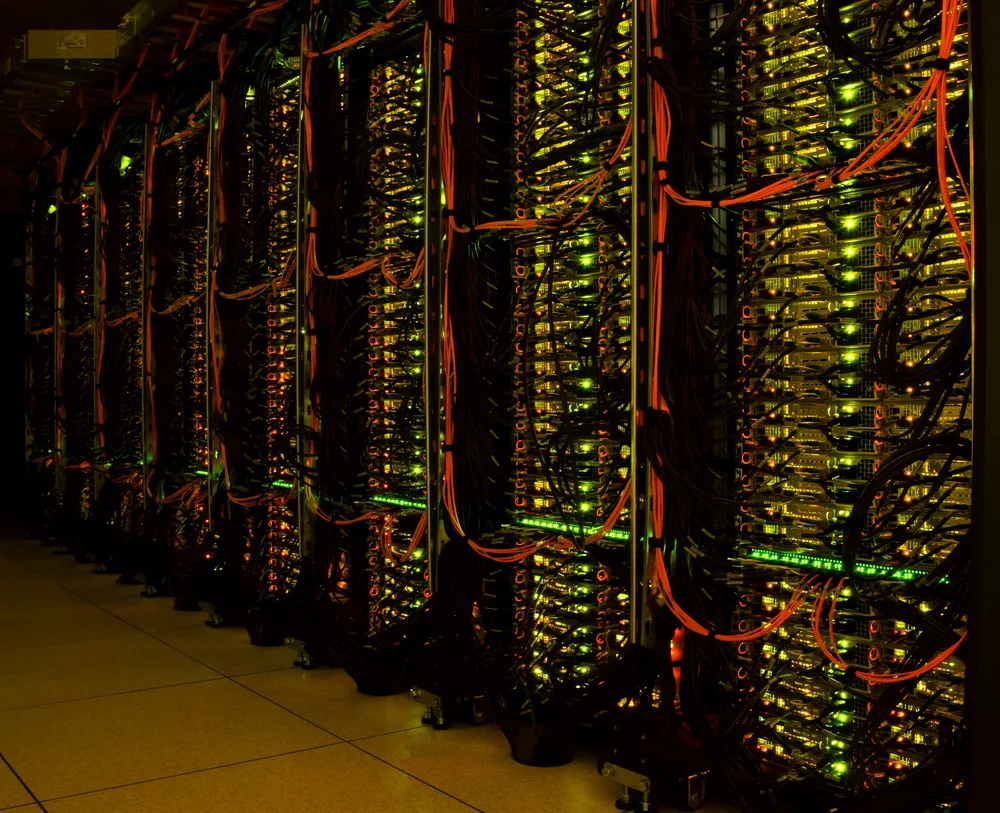
Seagate Technology is sharpening its focus on artificial intelligence-driven storage demand as cloud hyperscalers accelerate infrastructure buildouts, a shift that is reshaping the competitive landscape for traditional hard disk drive manufacturers. The company's strategic pivot centers on developing and shipping higher-capacity HDDs — a segment where Seagate has historically held engineering advantages and one that is increasingly relevant as the data volumes generated by AI workloads grow at a pace that solid-state alternatives struggle to match economically.
Cloud providers, the dominant buyers of enterprise storage hardware, are under mounting pressure to expand data center capacity while managing costs per terabyte. High-capacity HDDs offer a compelling value proposition in this environment: they deliver significantly more storage density at a lower price point than flash-based solutions, making them the default choice for the so-called "warm" and "cold" storage tiers that house vast repositories of training data, archived content, and inferencing inputs. Seagate's ability to push capacity thresholds higher with each product generation is therefore directly aligned with where hyperscaler procurement is heading.
Read more Carl Icahn's 2015 Broadside Against BlackRock and Larry Fink Explained →
The broader analytical picture here is one of structural tailwinds rather than cyclical bounce. The AI infrastructure supercycle — driven by the compute ambitions of companies like Microsoft, Google, Amazon, and Meta — creates a durable, multi-year demand curve for mass-capacity storage. Unlike consumer or PC-adjacent storage markets, which remain vulnerable to discretionary spending patterns, cloud-driven HDD demand is increasingly tied to capital expenditure commitments that are planned well in advance and resistant to short-term macro turbulence.
For investors evaluating Seagate's outlook, the key variable is execution: whether the company can sustain its product roadmap cadence and translate cloud momentum into margin expansion, not merely revenue growth. The competitive moat in high-capacity HDDs is real but not permanent, and any meaningful shift in hyperscaler storage architecture could alter the calculus. For now, however, Seagate appears well-positioned to benefit from one of the more predictable demand stories in the current technology cycle.
Continue reading at Yahoo Finance