Oil Markets Swing as Hormuz Reopening Reports Conflict
Contradictory headlines about the Strait of Hormuz and U.S.-Iran relations are driving fresh volatility in crude oil prices.
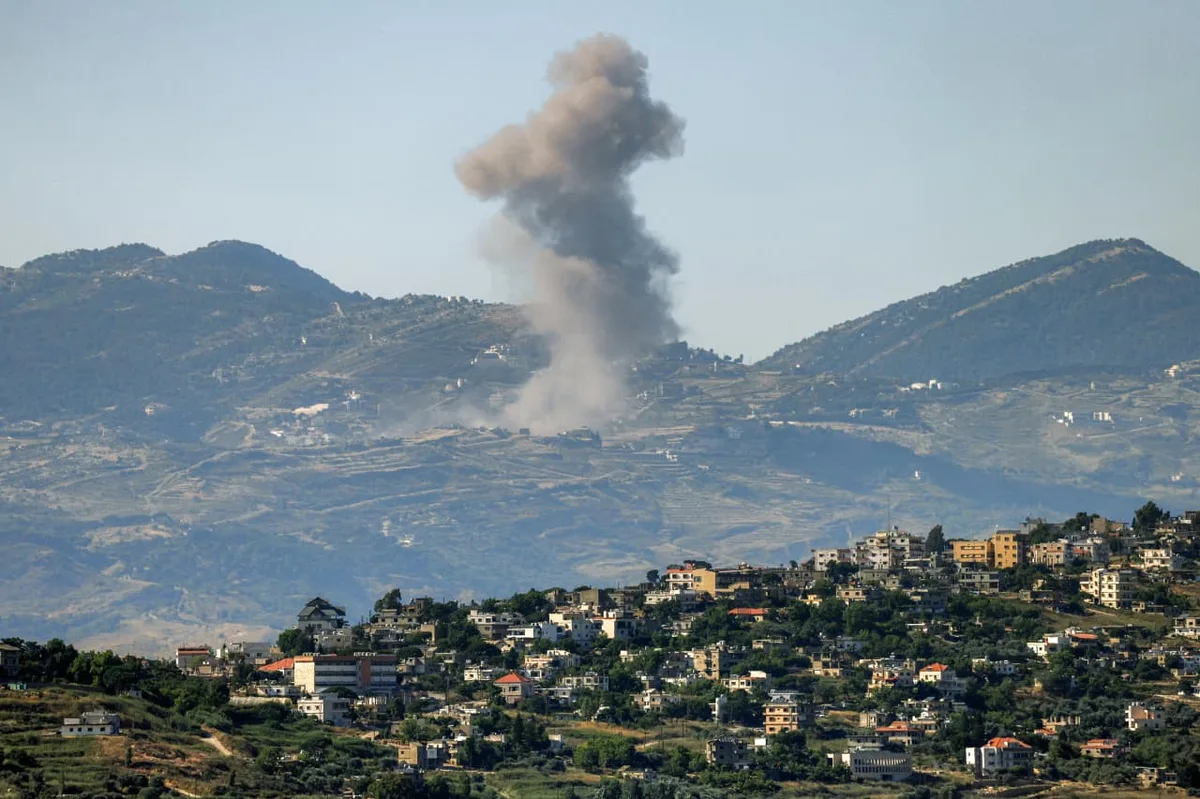
Oil markets entered another turbulent session Friday as a wave of conflicting reports about the status of the Strait of Hormuz — one of the world's most strategically critical energy chokepoints — unsettled traders already on edge over regional tensions. The whipsaw in prices underscores just how sensitive global crude markets remain to any shift, real or rumored, in the geopolitical landscape of the Persian Gulf.
At the center of the uncertainty is what appears to be an increasingly fragile arrangement between the United States and Iran. A flurry of contradictory headlines emerged Friday, with some suggesting progress toward a reopening of the strait and others signaling that ongoing strife could derail any such agreement. For markets, ambiguity of this kind is its own form of risk — forcing traders to price in a wide range of potential outcomes simultaneously.
Read more TSMC Upgraded to Buy as AI Demand and EUV Edge Converge →
The Strait of Hormuz carries an estimated one-fifth of the world's oil supply, making it a linchpin of global energy security. Even the perception of a threat to its passage has historically been enough to drive meaningful moves in crude benchmarks. When conflicting signals emerge about whether that passage is open, restricted, or subject to negotiation, the result is precisely the kind of volatility that roiled markets Friday.
What makes the current moment particularly consequential is the broader diplomatic backdrop. A deal between Washington and Tehran — if one is genuinely within reach — would carry implications far beyond oil prices, touching on sanctions policy, regional military posture, and the long-term stability of energy supply chains. The fact that reports on Friday pointed in multiple directions simultaneously suggests that any such agreement remains far from settled, and that further market swings are likely as the situation develops.
Continue reading at MarketWatch.com