Nvidia Secures $500B in Financing as Huang Reframes Chips as Assets
Nvidia CEO Jensen Huang is pitching the company's chips as 'investable assets,' unlocking $500 billion in potential financing for compute infrastructure.
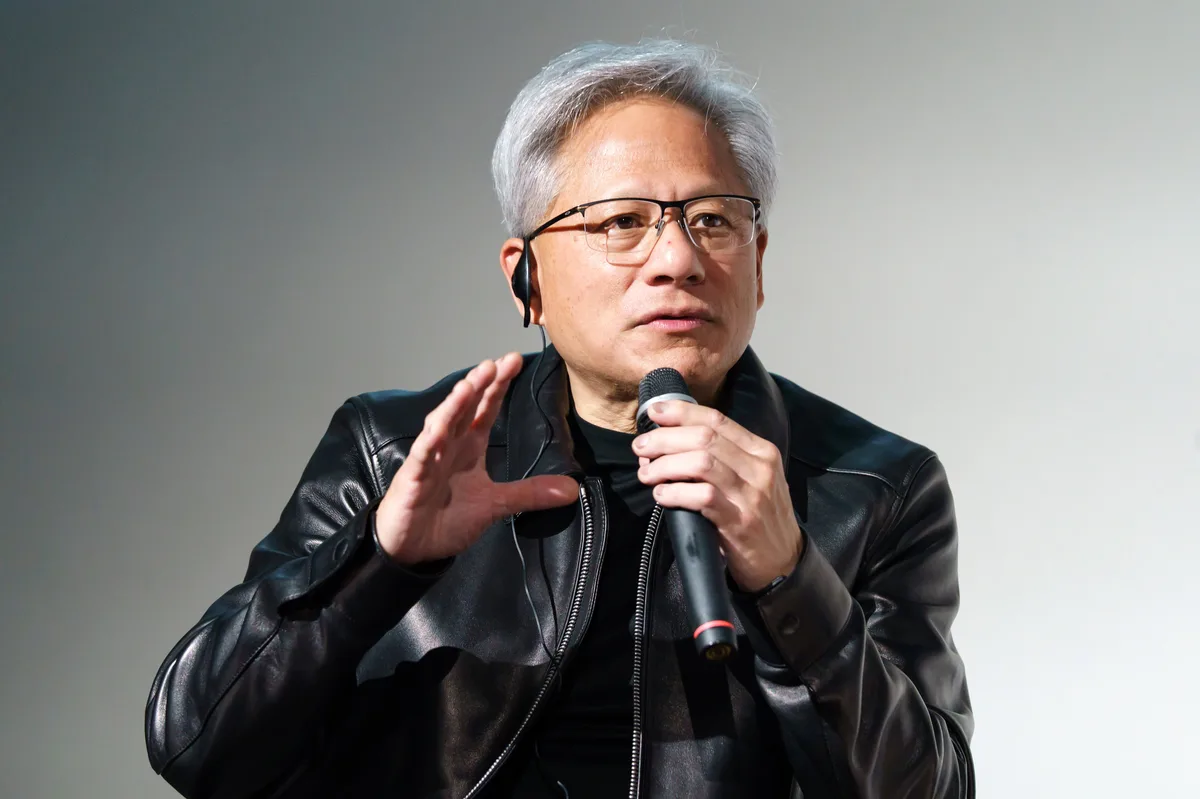
Nvidia is engineering a fundamental shift in how Wall Street thinks about computing hardware. CEO Jensen Huang has lined up $500 billion in financing arrangements, anchored by the argument that Nvidia's chips are not merely equipment but revenue-generating, bankable assets — a framing that could reshape how data centers and AI infrastructure get funded across the industry.
Huang's case to lenders rests on three pillars: broad adoption, flexibility, and transferability. Because Nvidia's GPUs have become the de facto standard for AI workloads, they carry a kind of liquidity that bespoke or proprietary hardware historically lacked. A lender who underwrites a fleet of Nvidia chips can, in theory, recover value by redeploying those chips elsewhere — the same logic that made commercial aircraft a reliable collateral class for aviation finance decades ago.
Read more Options Market Points to S&P 500 Gains, With One Caveat →
The implications reach well beyond Nvidia's balance sheet. If compute infrastructure can be underwritten the way real estate or aircraft are, it opens the door to a new asset class that could accelerate AI buildout without requiring cloud providers or startups to tie up equity capital. This is essentially Huang positioning Nvidia at the center of a financing ecosystem, not just a supply chain.
The move also reflects a broader maturation of the AI investment cycle. Early AI spending was largely funded through venture capital and corporate reserves. Structured debt financing at this scale signals that institutional lenders are now confident enough in AI's revenue trajectory to treat compute as collateral rather than speculation. That confidence, in turn, depends heavily on Nvidia maintaining its dominant market position.
Whether regulators or competing chip architectures eventually complicate this collateral thesis remains an open question — but for now, Huang's pitch appears to be landing. Continue reading at US Top News and Analysis.