Micron and Memory Stocks Surge Yet Still Trade at Low Valuations
Memory chipmakers are posting record gains amid the AI boom, yet valuations remain surprisingly depressed. Here's what's driving the disconnect.
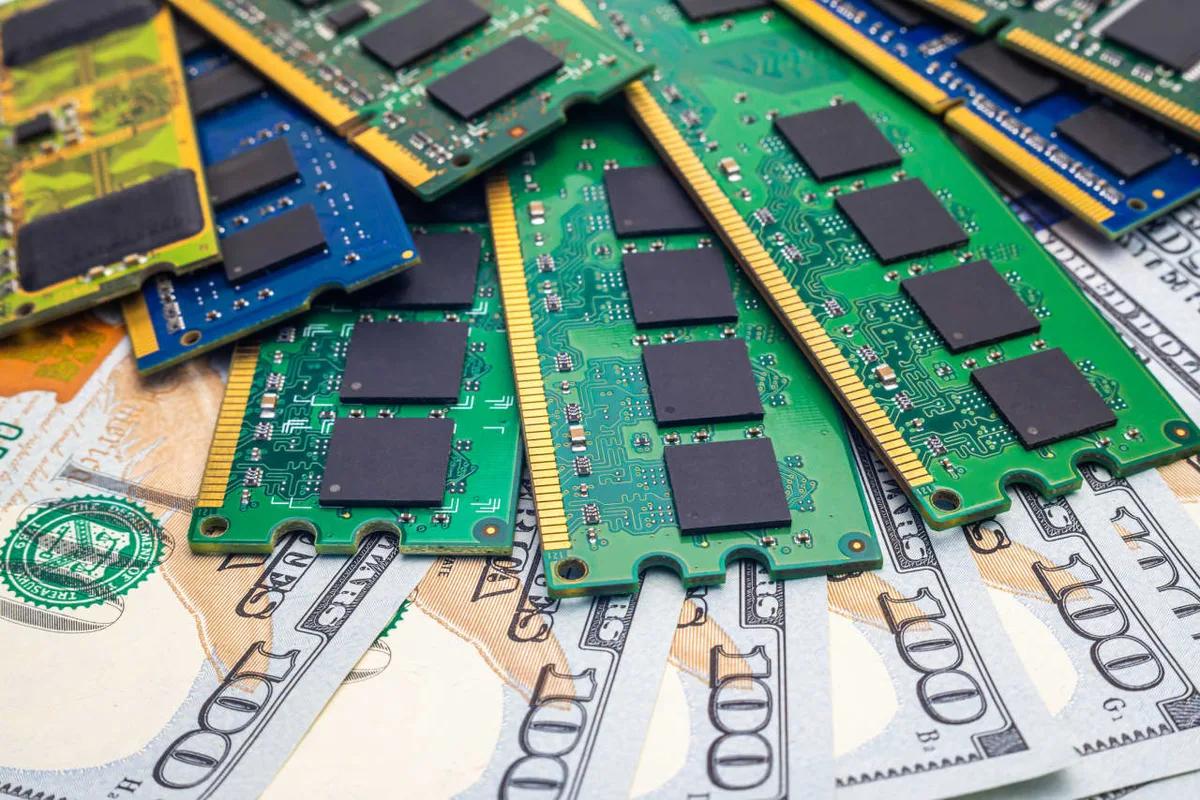
The artificial intelligence buildout has minted winners across the semiconductor landscape, but few sectors have seen gains as dramatic as memory chips. Companies like Micron Technology have delivered some of their strongest stock performance on record this year, riding surging demand for the high-bandwidth memory that powers AI data centers and large language models. Yet despite those eye-catching returns, the stocks continue to trade at multiples that look cheap relative to the broader technology sector — a paradox that has left investors puzzling over what the market is actually pricing in.
The tension between strong performance and muted valuations reflects a persistent stigma that has followed memory chipmakers for decades. Unlike logic chip designers, memory producers operate in a notoriously cyclical industry where oversupply can crater prices almost overnight. Wall Street tends to assign lower price-to-earnings multiples to cyclical businesses because earnings peaks are viewed as temporary rather than structural. Even in a record year, analysts and fund managers are already discounting the inevitable next downturn, keeping a ceiling on how richly these stocks can be valued.
Read more TSMC Upgraded to Buy as AI Demand and EUV Edge Converge →
What makes the current moment analytically interesting is the argument that AI may be fundamentally altering that cycle. Demand for high-bandwidth memory — a specialized, more complex product than commodity DRAM — is less price-sensitive and harder to oversupply quickly, potentially smoothing the boom-bust pattern that has historically punished memory investors. If that thesis holds, the current discount represents a genuine opportunity; if the old cyclical dynamics reassert themselves, the cheap valuations may be a rational warning rather than an oversight.
The broader implication for investors is a classic value-versus-value-trap dilemma. Memory stocks being among the AI boom's biggest earners while simultaneously looking like its biggest bargains suggests the market has not yet reached consensus on whether this cycle is different. Until that debate resolves — likely through several more quarters of sustained demand data — the sector may continue to offer high return potential paired with elevated uncertainty, a combination that rewards patience and disciplined position sizing over momentum chasing.
Continue reading at MarketWatch.com