J.P. Morgan Sees 29% Upside in Salesforce as AI Fears Ease
A J.P. Morgan analyst argues fears over AI disrupting Salesforce are overdone, forecasting significant share-price gains ahead.
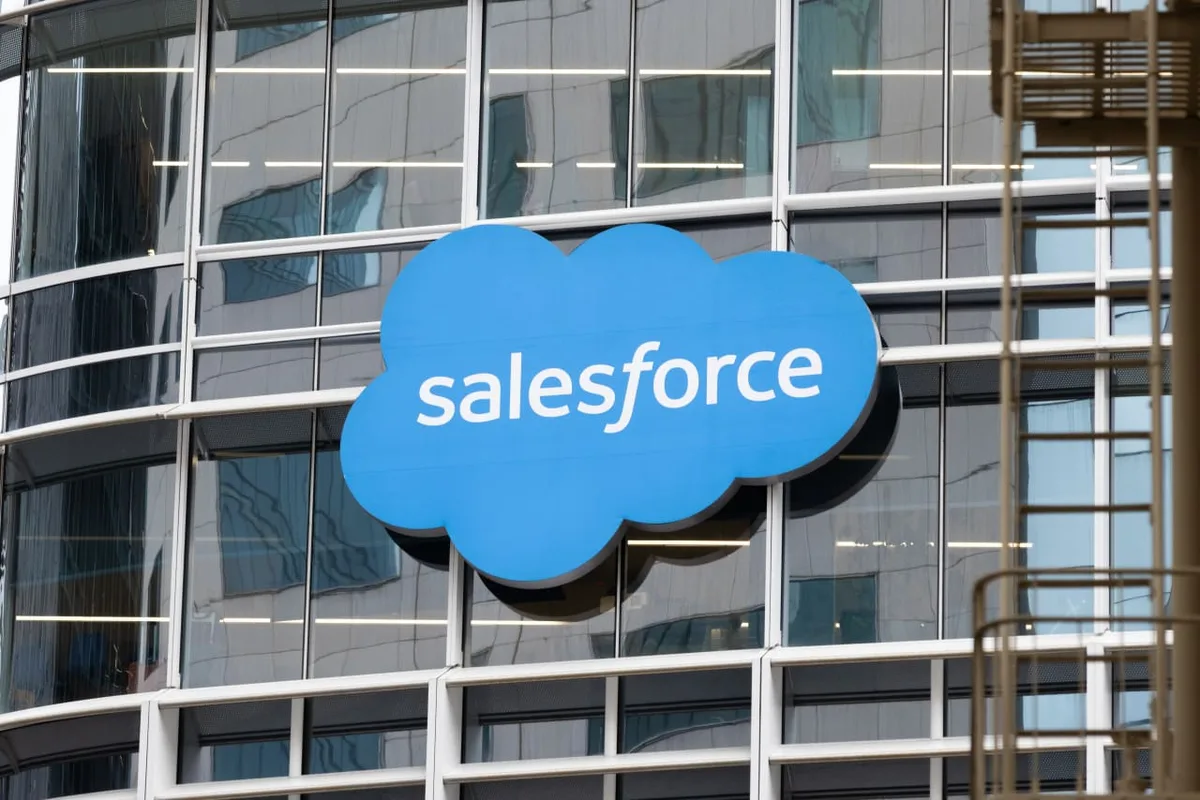
Salesforce received a notable vote of confidence from Wall Street this week as a J.P. Morgan analyst pushed back against the prevailing anxiety that artificial intelligence poses an existential threat to the enterprise software giant. The analyst's bullish call, which projects roughly 29% upside in Salesforce shares, reflects a sharply different read of how AI is reshaping the company's competitive position — one that sees the technology as a catalyst rather than a headwind.
The skepticism surrounding Salesforce and AI is not difficult to understand. Rivals and startups alike are racing to embed generative AI capabilities into customer relationship management and sales automation tools, raising legitimate questions about whether incumbents can keep pace or whether the disruption erodes their pricing power and customer lock-in. For much of the past year, those concerns have weighed on the stock in ways that arguably decoupled its valuation from underlying business performance.
Read more Options Market Points to S&P 500 Gains, With One Caveat →
J.P. Morgan's counter-argument centers on promising AI features that Salesforce is developing or has already deployed, suggesting the company's deep enterprise relationships, proprietary customer data infrastructure, and distribution scale give it structural advantages that newer entrants cannot easily replicate. In this framing, fear has outrun fundamentals — a classic setup that contrarian analysts and long-horizon investors tend to find attractive.
The broader analytical context matters here. Enterprise software incumbents with large installed bases have historically navigated technology transitions better than market sentiment tends to credit them for, precisely because switching costs remain high even when shinier alternatives emerge. If Salesforce's AI offerings gain meaningful traction with existing customers, the upgrade cycle could actually accelerate revenue growth rather than cannibalize it — a dynamic investors may be underweighting at current price levels.
Continue reading at MarketWatch.com