Iran Threatens to Close Strait of Hormuz Amid Ceasefire Disputes
Iran's military command announced a Hormuz closure citing US and Israeli violations, even as its negotiating team heads to Switzerland.
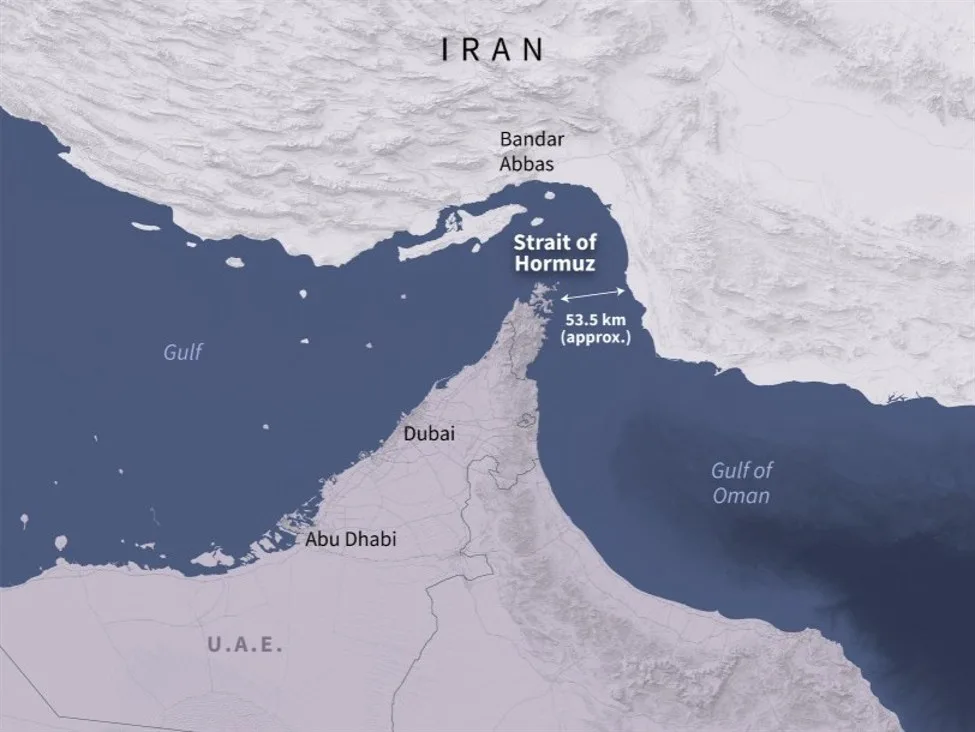
Iran's Khatam-al Anbiya military headquarters declared the Strait of Hormuz closed to all maritime traffic, citing what it characterizes as American breaches of the war-ending agreement and persistent Israeli violations of a Lebanon ceasefire — including Israel's refusal to withdraw from southern Lebanon. The Revolutionary Guard had issued a parallel warning a day earlier, and the headquarters described this move as only the "first step," a phrase that carries unmistakable escalatory weight.
The announcement puts the fragility of the broader deal into sharp relief. Iran's military clearly sees leverage here: President Trump has publicly acknowledged that the oil supply situation could deteriorate sharply within weeks if the Strait were genuinely disrupted. That kind of presidential candor arguably hands Tehran a stronger hand than it might otherwise hold at the negotiating table. At the same time, there is a real internal tension within Iran — military commanders who may prefer continued conflict are clashing with politicians who recognize that the current agreement may represent the best terms Iran is ever likely to secure.
Read more TSMC Upgraded to Buy as AI Demand and EUV Edge Converge →
The Lebanon dimension is particularly corrosive to any durable settlement. The ceasefire there has been repeatedly broken by multiple parties, and the core sticking point — Israeli withdrawal from southern Lebanon — remains unresolved. Iran's military has made that withdrawal an explicit precondition for honoring the broader deal, while Israel has flatly refused. That structural impasse makes the durability of any agreement deeply uncertain regardless of what diplomats agree to on paper.
On the American side, the diplomatic machinery is visibly in motion. Special envoys Witkoff and Kushner are in Switzerland, and Vice President Vance indicated he expects to travel there within days, expressing confidence that a ceasefire can hold. Critically, Iran's own negotiating team is still proceeding to Switzerland despite the military's closure announcement — a spokesman framed the trip as an effort to demand accountability and clarify how the other side intends to fulfill its commitments, warning that any unfulfilled obligation would jeopardize the entire memorandum of understanding.
Oil markets registered the tension quietly but meaningfully: WTI crude ended Friday nearly a dollar higher even after a Lebanon ceasefire announcement, suggesting traders are pricing in meaningful risk that the Strait of Hormuz threat is not purely rhetorical. Whether Iran's military actually attempts to enforce the closure through naval action remains the pivotal open question. Continue reading at Forexlive.