Hormuz Oil Traffic Surges After U.S.-Iran Sea Lane Deal
A new U.S.-Iran agreement has reopened the Strait of Hormuz to tanker traffic, raising governance questions once the toll-free period expires.
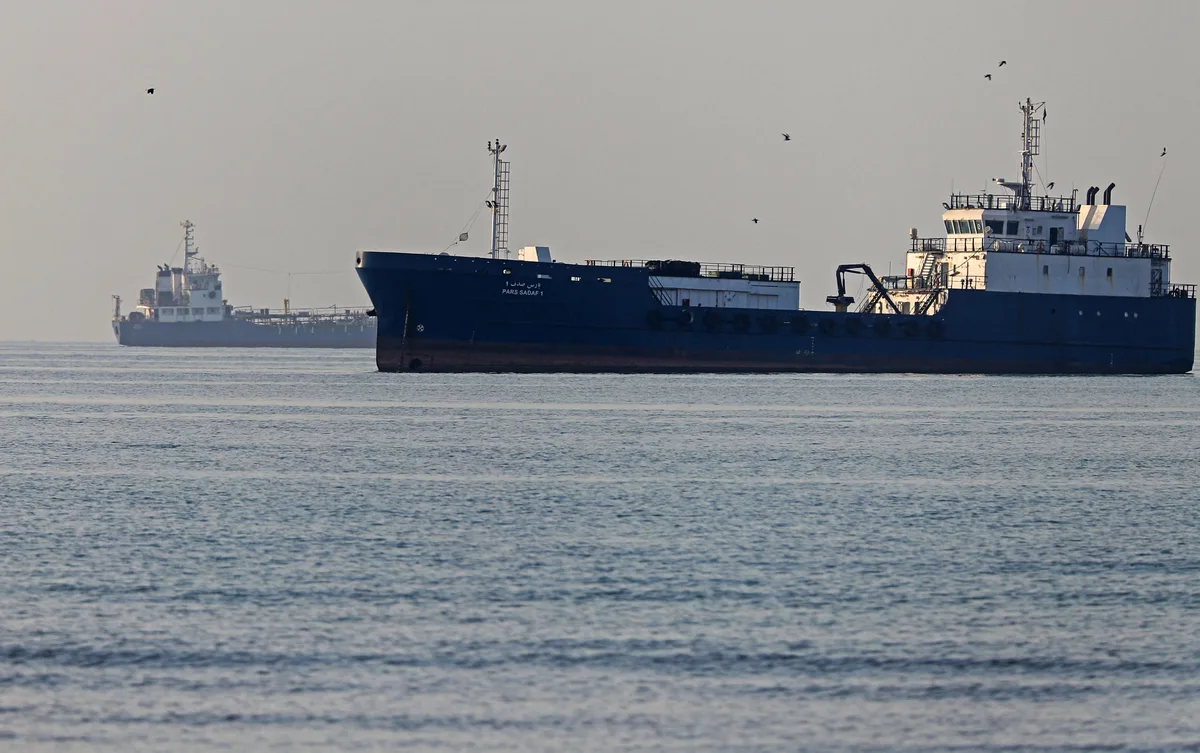
Oil tanker traffic through the Strait of Hormuz has increased markedly following the implementation of a deal between the United States and Iran to reopen the critical sea lane, according to reporting from CNBC. The agreement represents a significant, if fragile, diplomatic development in one of the world's most strategically sensitive waterways, through which a substantial share of global oil exports passes daily.
The deal's immediate effect has been tangible: vessels that had avoided the strait amid geopolitical tensions are now transiting more freely. For energy markets, any normalization of Hormuz passage reduces the risk premium that traders have historically baked into crude prices whenever the corridor faces disruption — a dynamic that affects consumers and economies far beyond the Persian Gulf.
Read more TSMC Upgraded to Buy as AI Demand and EUV Edge Converge →
Yet the arrangement carries an embedded uncertainty that analysts will be watching closely. The current terms are described as toll-free, meaning tankers are not subject to Iranian fees or levies during this window. What happens when that period concludes is the central unresolved question — one that touches on Iranian sovereignty claims, international maritime law, and the broader architecture of U.S.-Iran relations.
The governance question is not merely procedural. If Iran moves to impose tolls or other conditions on commercial shipping once the toll-free window closes, it could reignite tensions with Western nations and oil-importing economies in Asia that depend on unimpeded Hormuz access. The deal, in that sense, may be less a resolution than a temporary stabilization that defers a harder reckoning over who controls the terms of passage through the strait.
The longer-term trajectory will depend heavily on the diplomatic climate between Washington and Tehran, as well as the response of other regional actors and shipping insurers who set rates based on perceived risk. Continue reading at US Top News and Analysis.