Hong Kong, China Markets Shut for Holiday on June 19, 2026
Trading liquidity thins across Asia as Hong Kong and mainland China observe a public holiday, while other regional markets remain open.
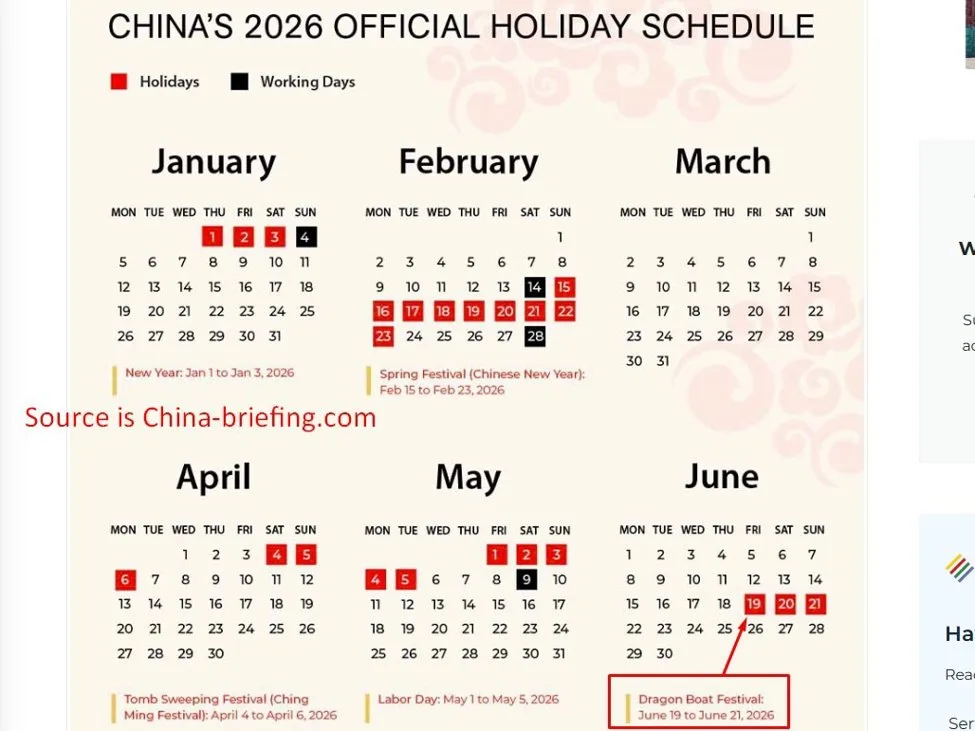
Hong Kong and mainland China financial markets are closed on June 19, 2026, for a public holiday, leaving a notable gap in Asian trading activity for the session. The absence of two of the region's most influential market centers tends to ripple outward, dampening overall participation even among exchanges that remain operational.
The practical consequence for traders is reduced liquidity during the Asian time zone window — a condition that can amplify price swings on thinner volume or, conversely, suppress meaningful directional moves as major institutional players sit out. Currency pairs tied to the Chinese yuan and Hong Kong dollar, along with Asia-Pacific equities indices, are the most likely to feel the muted pulse.
Read more TSMC Upgraded to Buy as AI Demand and EUV Edge Converge →
The broader Asian trading landscape is not entirely quiet, however. Japan, Singapore, Australia, New Zealand, and South Korea are all open for normal business, providing a partial counterweight to the liquidity gap left by the Chinese and Hong Kong closures. Traders operating in those markets may find slightly more volatility than usual as order flow concentrates across fewer venues.
For market participants navigating the session, the holiday is a useful reminder that calendar awareness remains a fundamental risk-management tool, particularly in a region where individual country schedules can diverge sharply on any given day. Positioning decisions made on low-liquidity days carry elevated execution risk that standard volatility models may underestimate.
Continue reading at Forexlive.