Fed's Kashkari Shifts to One Rate Hike in 2025 Forecast
Minneapolis Fed President Neel Kashkari now expects one rate hike this year, citing U.S.-Iran deal uncertainty and AI investment pressures.
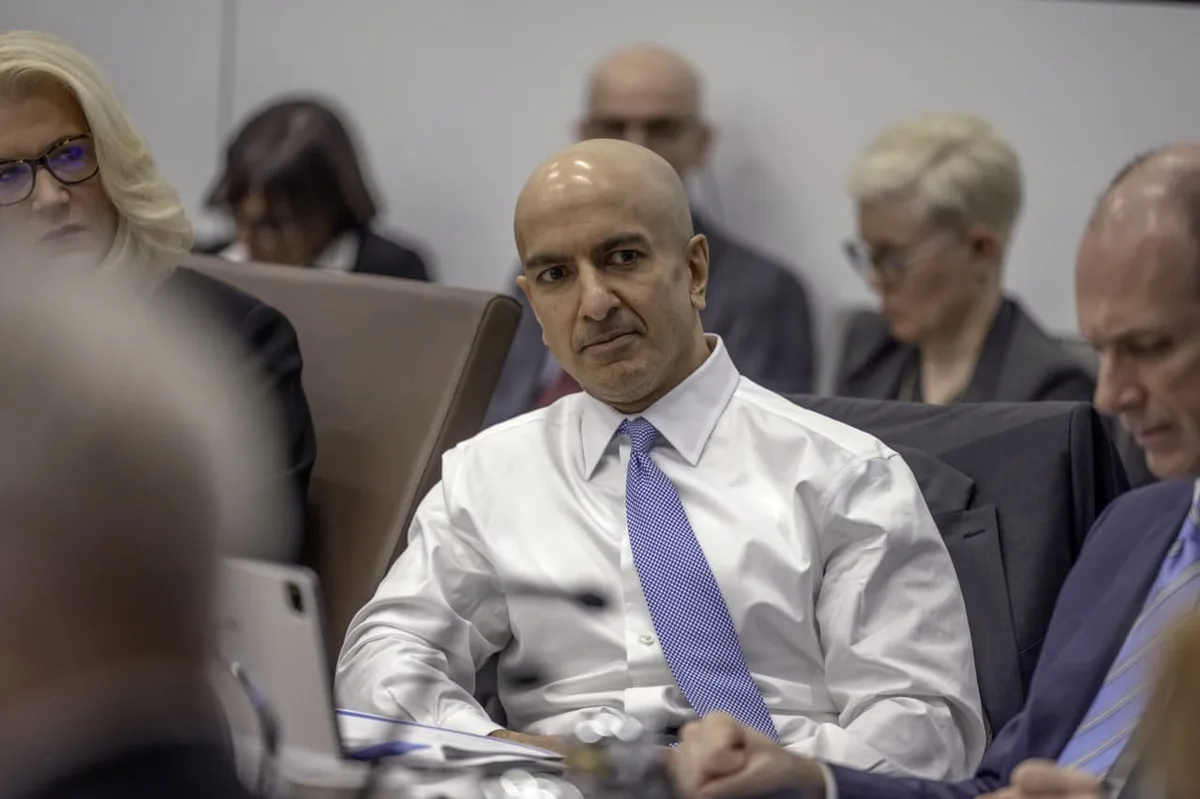
Minneapolis Federal Reserve President Neel Kashkari has revised his interest-rate outlook, now projecting a single rate hike in 2025 — a notable shift from the more cautious, hold-steady posture that has broadly defined Fed policymaking in recent months. The change signals that at least one regional Fed leader sees the balance of risks tilting back toward inflation rather than economic slowdown.
Two specific forces appear to have moved Kashkari's thinking. First, lingering uncertainty around a prospective U.S.-Iran peace agreement introduces meaningful volatility into global energy markets. If diplomatic progress stalls or reverses, oil prices could reassert upward pressure — a classic inflationary input that the Fed cannot ignore. Second, the sustained buildout of artificial intelligence infrastructure is generating substantial capital expenditure across the economy, which can fuel demand-side inflation even when broader growth appears stable.
Read more Trump Advisors Back Off Fed Chair Warsh Amid Inflation Surge →
Kashkari's updated stance matters beyond its headline number. A single projected hike is as much a statement of vigilance as it is a policy commitment — it tells markets that the Fed's pause should not be read as an all-clear signal on inflation. It also reflects a broader tension inside the central bank between members who remain focused on recession risk and those increasingly attentive to price pressures that never fully normalized after the post-pandemic surge.
For consumers and investors, the practical implication is that borrowing costs may not retreat as quickly as some had hoped. Mortgage rates, auto loans, and credit card APRs are all sensitive to Fed trajectory expectations, meaning Kashkari's recalibration — even from one regional president — can ripple into pricing across retail lending markets. Analysts will be watching upcoming inflation data closely to see whether his concerns gain traction among other voting members of the Federal Open Market Committee.
Continue reading at MarketWatch.com