Dollar Hits One-Year High After Fed Rate Signal: Is Rally Overdone?
The U.S. dollar surged to its highest close in over a year following the Fed's hawkish signals, but analysts question whether the rally has run too far.
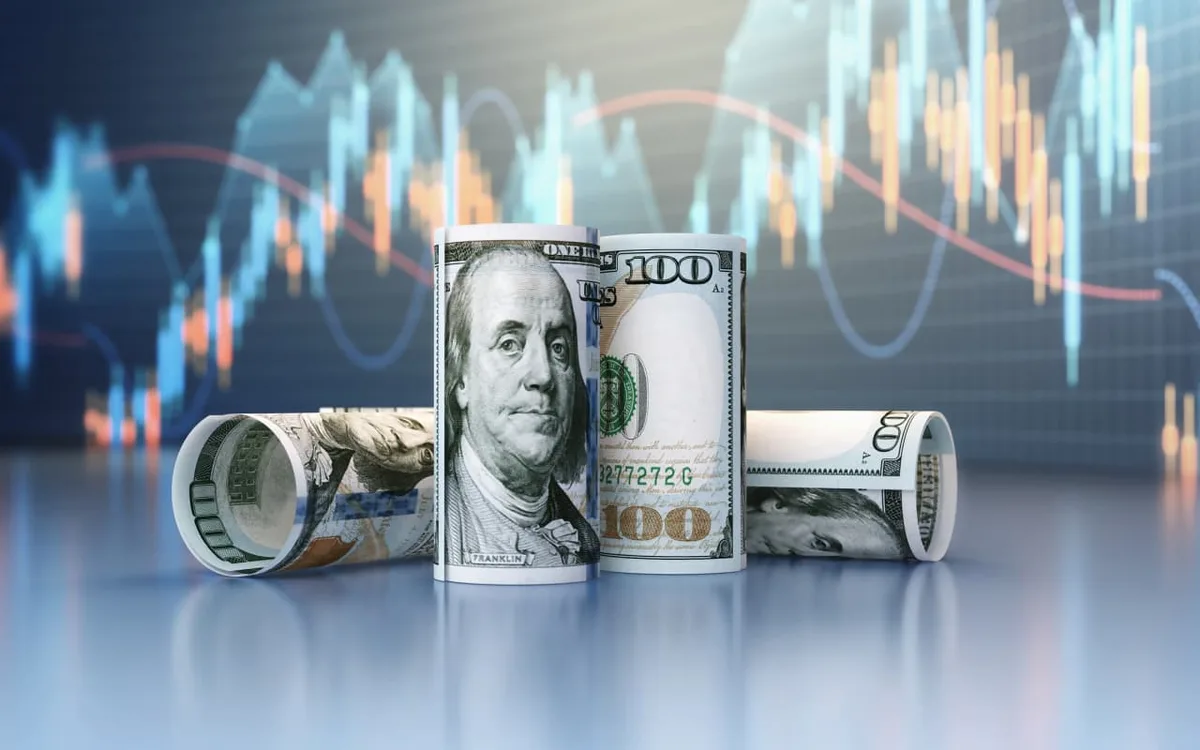
The U.S. dollar climbed to its highest closing level in more than a year on Thursday, extending a rally that gained fresh momentum after the Federal Reserve's Wednesday policy meeting reignited expectations that additional interest-rate increases could still be on the table. Currency markets responded swiftly, with traders repricing dollar assets upward as the Fed's tone signaled a more persistent tightening posture than many had anticipated heading into the meeting.
The move reflects a broader recalibration in global currency markets. When the Fed signals a higher-for-longer rate environment — or, more pointedly, the possibility of further hikes — the yield differential between U.S. assets and those of other major economies tends to widen, drawing capital flows into the dollar. That dynamic has been a defining feature of currency markets since the Fed began its aggressive tightening cycle, and Thursday's action suggests it remains intact.
Read more TSMC Upgraded to Buy as AI Demand and EUV Edge Converge →
Yet the sustainability of this particular leg of the rally deserves scrutiny. Dollar strength at this magnitude can act as a self-limiting mechanism: a stronger dollar tightens financial conditions globally, pressures emerging-market economies with dollar-denominated debt, and can weigh on U.S. multinational earnings — factors that may eventually temper the Fed's own appetite for further rate action. In other words, the currency market may be front-running a policy path that the broader economic feedback loop could ultimately constrain.
For investors, the dollar's trajectory from here hinges on whether the Fed's renewed hawkishness reflects genuine conviction about the inflation outlook or serves as strategic optionality — keeping markets honest without necessarily committing to additional hikes. Either way, positioning in rate-sensitive assets, from Treasuries to emerging-market currencies, will likely remain volatile until that ambiguity is resolved.
Continue reading at MarketWatch.com