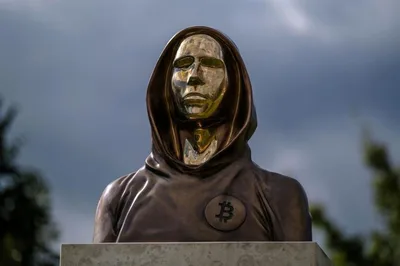
Bitcoin Quantum Threat Spurs Recovery Tool—But Not for Satoshi
A new tool aims to protect Bitcoin from quantum computing attacks, though Satoshi Nakamoto's estimated 1.1 million coins remain excluded.
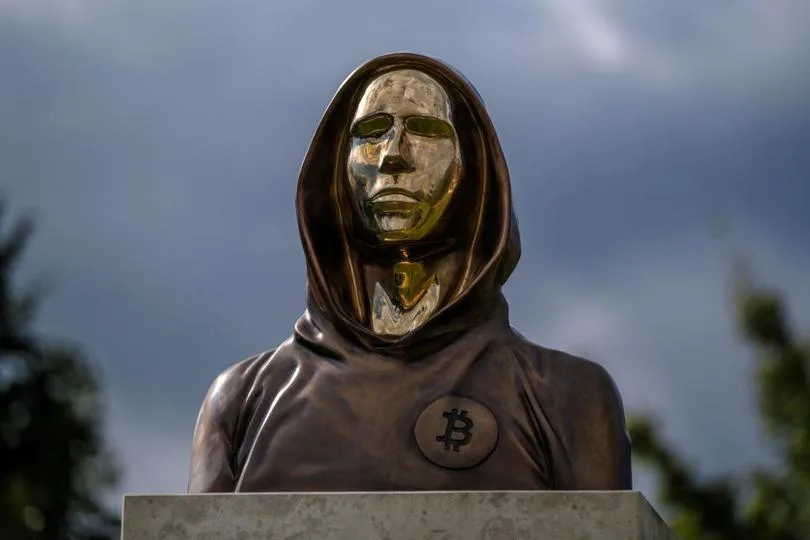
The prospect of quantum computing breaking Bitcoin's cryptographic defenses has long occupied the edges of cryptocurrency risk discussions, but developers appear to be moving the conversation from theory toward practice. A new recovery-oriented tool has emerged aimed at helping Bitcoin holders safeguard funds against the threat that sufficiently powerful quantum computers could one day crack the elliptic-curve cryptography underpinning Bitcoin wallets. The effort signals that the industry is beginning to treat quantum vulnerability as a concrete engineering problem rather than a distant hypothetical.
What makes this development particularly telling is not just what the tool can do, but what it deliberately cannot. The estimated 1.1 million Bitcoin long attributed to Satoshi Nakamoto — coins that have never moved since the network's earliest days — are explicitly left outside the scope of any quantum-proofing mechanism. Those early coins sit in pay-to-public-key outputs, a format that exposes the public key directly and is therefore more vulnerable to quantum attack than modern address types, yet any community-level decision to protect or migrate them would raise profound governance questions about property rights and the immutability of the ledger.
Read more Big Tech Faces Pressure to Justify AI Spending Amid Selloff →
The exclusion of Satoshi's holdings is not merely a technical footnote — it carries meaningful philosophical weight. Bitcoin's core ethos holds that no authority, not even a well-intentioned developer coalition, can unilaterally alter the rules governing someone else's coins. Carving out an exception for the network's most famous dormant wallet would either require broad social consensus that has never materialized or risk a contentious hard fork. The tool's designers appear to have sidestepped that minefield entirely, leaving the community to wrestle with the Satoshi question on its own terms.
For ordinary holders, the practical implication is that proactive steps — migrating funds to quantum-resistant address formats as the ecosystem develops them — will matter far more than waiting for a top-down protocol solution. The window before quantum computers reach the scale needed to threaten Bitcoin encryption is uncertain, with estimates ranging widely across researchers, but the emergence of dedicated mitigation tooling suggests that serious builders are no longer willing to assume the threat is comfortably remote. The arms race between cryptographic defense and computational power is quietly accelerating.
Continue reading at CoinDesk.