Asia Markets Face Quiet Monday With Thin Economic Calendar
Monday's Asia session offers little in the way of market-moving data, with even China's LPR decision unlikely to shift trader sentiment.
Traders heading into the Asian session on Monday, June 22, 2026 will find an unusually sparse economic calendar, with no major data releases expected to generate meaningful price action across regional markets. On days like this, participants tend to carry over sentiment from prior sessions rather than react to fresh catalysts.
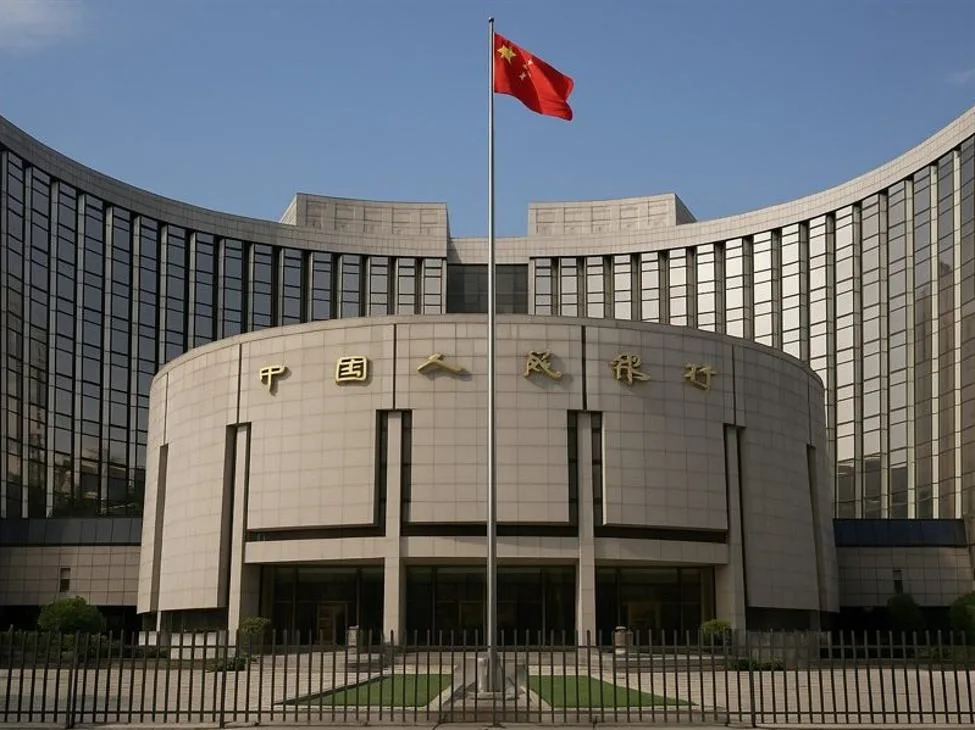
The most notable scheduled event is the People's Bank of China's Loan Prime Rate decision — but its market relevance has diminished considerably. Beijing's central bank has repositioned its seven-day reverse repo rate as the primary policy instrument, effectively demoting the LPR to a secondary signal that most traders have learned to discount.
Read more TSMC Upgraded to Buy as AI Demand and EUV Edge Converge →
That structural shift in how the PBoC communicates monetary policy is worth understanding for anyone tracking Chinese rate dynamics. When the central bank wants to signal easing or tightening, it now moves the reverse repo rate first; the LPR typically follows mechanically, making the formal LPR announcement more of a confirmation than a catalyst.
For currency and equity traders in Asia, a light calendar can cut both ways — thin liquidity may amplify any unexpected headlines, even minor ones, while also allowing markets to drift quietly if no surprises emerge. With no impactful U.S. or European data crossing the wires overnight, Monday's Asia open looks set to be a consolidation session rather than a trend-setter.
Continue reading at Forexlive.