Why Dan Loeb Made Taiwan Semiconductor His Top AI Bet
Billionaire investor Dan Loeb holds 275,000 TSM shares worth ~$93M, making it his top AI pick as chipmaking demand surges.

Among the wave of institutional investors repositioning portfolios around artificial intelligence, billionaire hedge fund manager Dan Loeb has made his priorities clear: Taiwan Semiconductor Manufacturing Company sits at the very top of his AI-driven conviction list. Loeb's firm holds approximately 275,000 shares of TSM, a stake valued at roughly $92.93 million, placing the chipmaker above every other AI-related position in his portfolio.
The logic behind that conviction is structural rather than speculative. Taiwan Semiconductor occupies a unique and nearly irreplaceable role in the global technology supply chain — it is the company that physically fabricates the chips designed by virtually every major semiconductor firm on the planet. As demand for AI-capable processors accelerates across data centers, edge devices, and consumer hardware, the fab that manufactures those chips becomes a critical bottleneck and, for investors, a high-leverage exposure point to the entire sector.
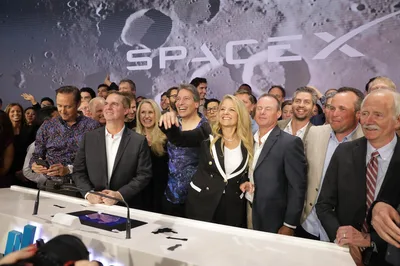
Read more Passive Investors Face Forced SpaceX Exposure in Index Funds →
Loeb's broader portfolio shift reflects a deliberate pivot away from what analysts call "old economy" stocks — traditional industrials, legacy energy, and slower-growth cyclicals — and toward companies directly enabling or benefiting from the AI infrastructure buildout. TSM's ranking as his single largest AI holding underscores a view that the picks-and-shovels layer of AI, the physical manufacturing of silicon, may ultimately capture more durable value than any single application built on top of it.
For investors watching institutional positioning as a signal, Loeb's concentration in TSM is notable. Rather than spreading AI exposure across software platforms or model developers, his largest bet lands on the manufacturing chokepoint that all of those businesses depend upon. Whether that thesis plays out hinges heavily on geopolitical stability in Taiwan and the pace of capital expenditure across the semiconductor industry — risks that are substantial but, in Loeb's apparent assessment, outweighed by the opportunity.
Continue reading at Yahoo.