Warsh's Fed Task Forces Signal a Cautious, Wait-and-See Rate Strategy
New Fed Chair Kevin Warsh is leaning on internal task forces to defer major rate decisions, potentially pushing any policy change to December.
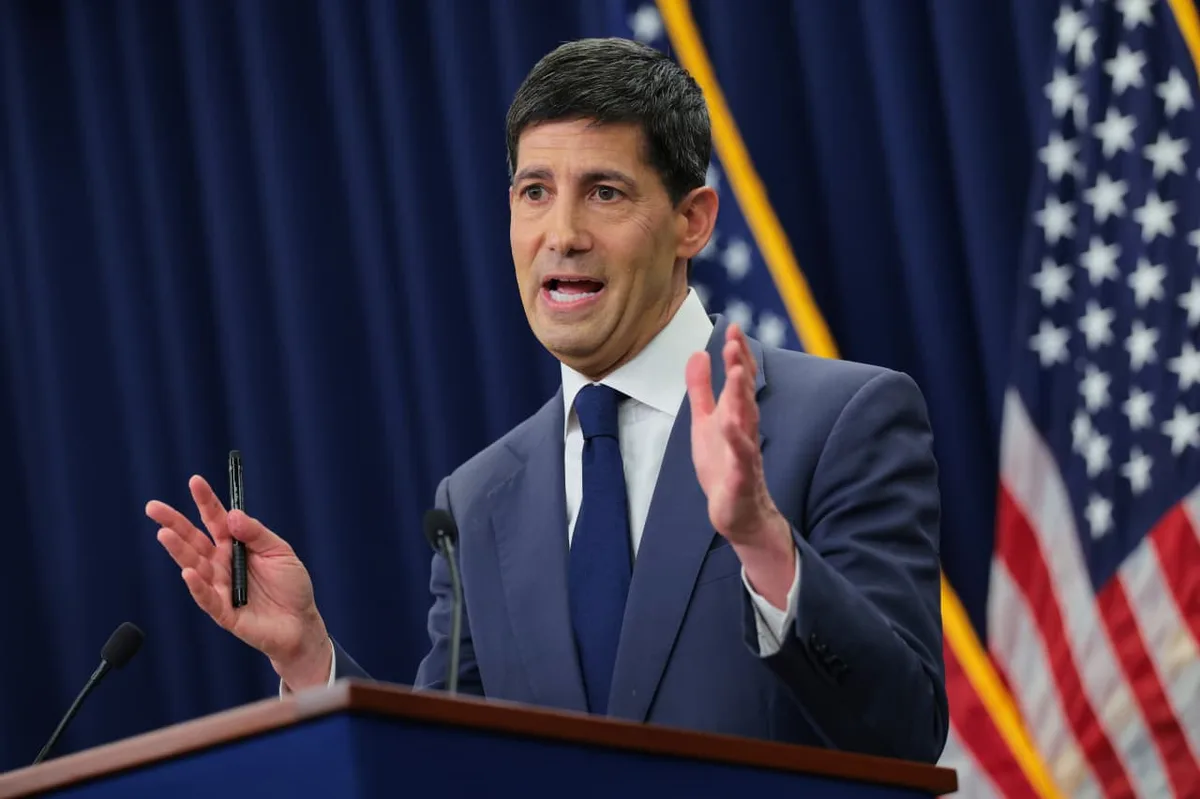
Kevin Warsh made his debut as Federal Reserve chair with a press conference that offered reporters few concrete policy commitments and instead a recurring answer: a task force is examining the issue. The approach, while perhaps frustrating to those seeking clarity, is a strategically deliberate one — it allows the new chair to buy time, build institutional consensus, and avoid locking the central bank into positions before his leadership team is fully formed.
The task-force framing is more than bureaucratic deflection. For a Fed chair stepping into a role during a period of elevated uncertainty, delegating preliminary analytical work to internal working groups is a way to signal process discipline without telegraphing a predetermined outcome. Markets, which crave forward guidance, may read the ambiguity as hawkish caution — neither committing to cuts nor threatening hikes — which itself functions as a form of implicit policy stability.
Read more Which Fathers Are the World's Most Involved — and Why It Matters →
The practical consequence of Warsh's posture is that meaningful rate action appears unlikely before December at the earliest. By routing consequential questions through task forces, the Fed effectively inoculates itself against premature commitments. If economic data shift dramatically in either direction between now and year-end, the institution retains maximum flexibility to respond without appearing to reverse course.
This approach carries risks, too. Prolonged ambiguity can erode the Fed's credibility as a communicative institution, especially if markets begin to interpret task forces as indefinite delay mechanisms rather than genuine analytical tools. Warsh will need to demonstrate, over the coming months, that these working groups produce actionable conclusions rather than simply absorbing difficult questions.
The early chapters of any Fed chair's tenure tend to set the tone for how markets and lawmakers interpret the institution's decision-making culture. Warsh's opening move suggests a chairman who prizes internal deliberation over rapid signaling — a style that could prove either reassuring or frustrating depending on how quickly the economic landscape demands decisive action. Continue reading at MarketWatch.com