Volkswagen Eyes 100,000 Job Cuts and Four Plant Closures in Germany
VW's reported restructuring plan signals a dramatic reckoning for Germany's auto industry as cost pressures mount.
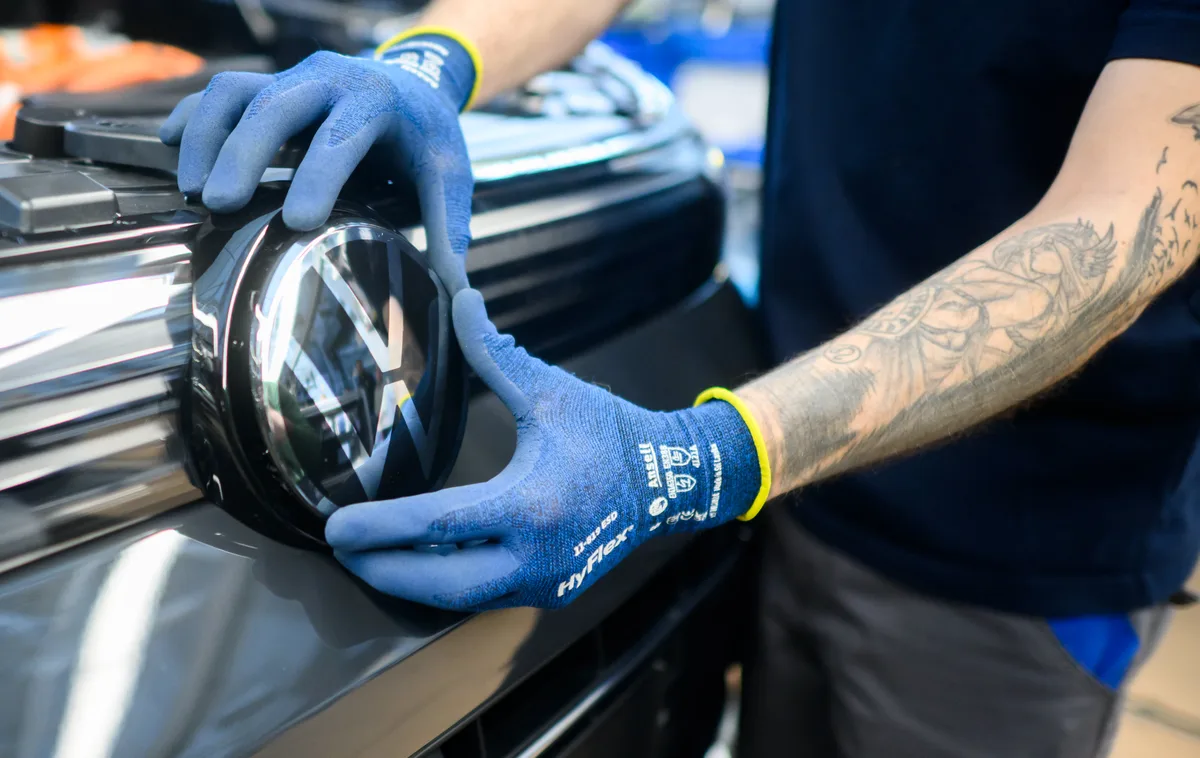
Volkswagen, Europe's largest automaker and a cornerstone of Germany's industrial identity, is reportedly preparing one of the most sweeping restructuring efforts in its history. According to reports, the company plans to eliminate roughly 100,000 positions — approximately 15% of its global workforce — while shutting down four manufacturing facilities on German soil over the coming years.
The scale of the proposed cuts reflects the compounding pressures battering legacy automakers: softening demand for electric vehicles relative to earlier forecasts, intensifying competition from lower-cost Chinese manufacturers, and persistently high energy and labor costs in Germany specifically. For VW, which has long served as both an economic engine and a symbol of postwar German prosperity, the decision to pare back domestic operations carries significance well beyond the balance sheet.
Read more Magnolia Oil & Gas Eyes $4B-Plus WildFire Acquisition →
Germany's auto sector directly and indirectly employs millions of workers, and Volkswagen has historically been one of the most protected employers in the country, with strong union representation through IG Metall and worker councils holding significant seats on the company's supervisory board. Any move to close plants would likely trigger prolonged and contentious negotiations with labor representatives, who have historically wielded real power in shaping the company's strategic decisions.
The reported restructuring arrives at a pivotal moment for global automaking. Traditional manufacturers are being forced to absorb the enormous capital costs of EV platform development while simultaneously defending market share in their core combustion-engine businesses. VW's situation is, in many ways, a stress test for the broader European industrial model — one that relies on high-wage, high-skill manufacturing in economies where those cost advantages are increasingly difficult to sustain against Asian rivals.
Continue reading at US Top News and Analysis.