U.S. Revokes Iran Oil Sanctions Waiver After Tanker Attacks
Washington pulls authorization for Iranian oil sales following tanker attacks, ending a sanctions reprieve tied to a Hormuz deal.
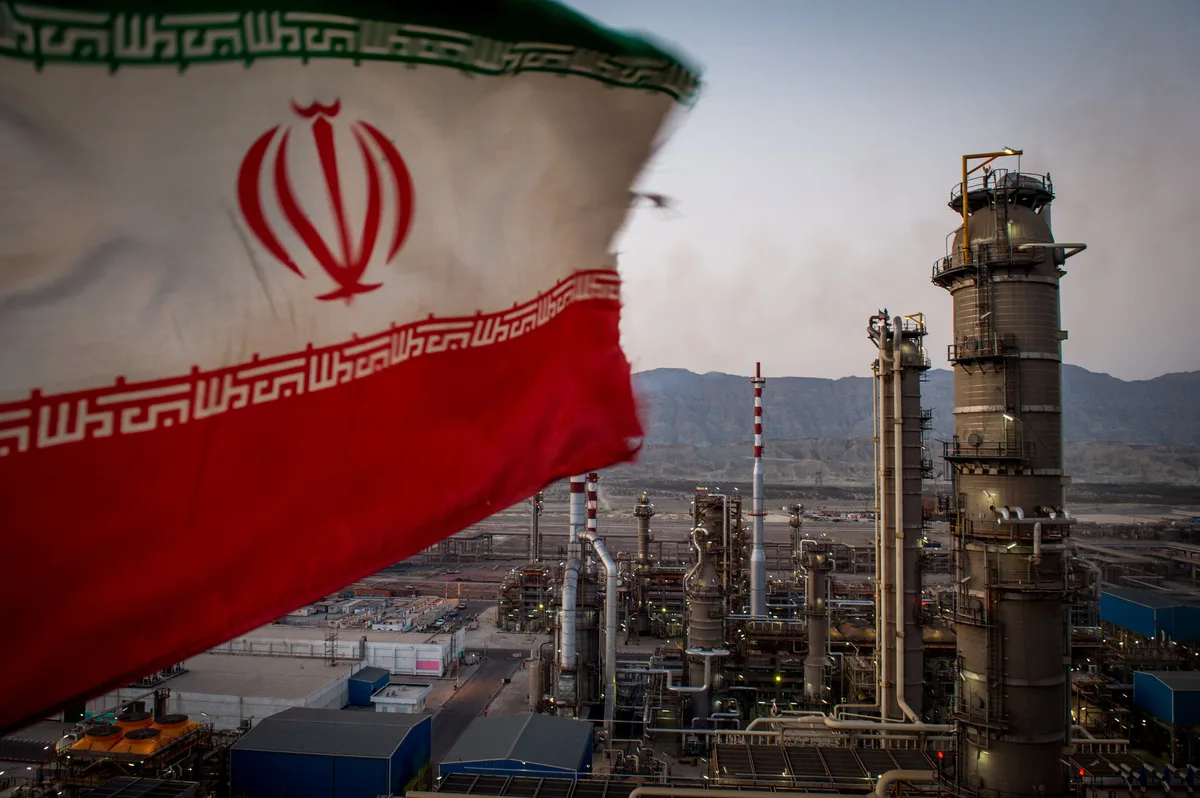
The United States has revoked its authorization permitting Iranian oil sales, a significant escalation in diplomatic and economic pressure on Tehran following a series of tanker attacks. The Treasury Department had granted the sanctions waiver through August 21 as part of an interim agreement reached last month that reopened the Strait of Hormuz — one of the world's most strategically critical energy chokepoints — to commercial shipping.
The decision to pull the waiver signals that Washington views the tanker attacks as a material breach of the conditions underpinning that interim arrangement. By revoking the authorization ahead of its scheduled expiration, U.S. officials are sending a pointed message that sanctions relief is contingent on verifiable Iranian restraint, not merely a signed agreement.
Read more Federal Judge Blocks DOJ Subpoena for Georgia Election Worker Names →
The stakes are substantial. The Strait of Hormuz carries roughly a fifth of global oil supply, and any prolonged disruption has historically sent energy prices sharply higher. Revoking the waiver effectively reimposes the full weight of U.S. sanctions on Iranian crude exports, cutting off buyers — typically in Asia — who had been operating under the temporary legal cover Treasury provided.
Analytically, the move reflects a broader tension in U.S. Iran policy: the desire to use sanctions as a coercive tool while simultaneously managing the inflationary risks that Middle East instability poses to American consumers and global markets. The interim Hormuz deal represented a calibrated attempt at economic diplomacy; its unraveling so quickly suggests the underlying security dynamics remain deeply unstable.
How Tehran responds — whether through further escalation or a return to the negotiating table — will determine whether this revocation marks a turning point or simply another chapter in the prolonged cycle of pressure and brinkmanship. Continue reading at US Top News and Analysis.