Two-Year Treasury Yields Hit 2025 High as Fed Rate-Hike Bets Build
Short-term yields climb to 4.24% despite three Fed cuts, as markets price in a one-in-three chance of a July hike.
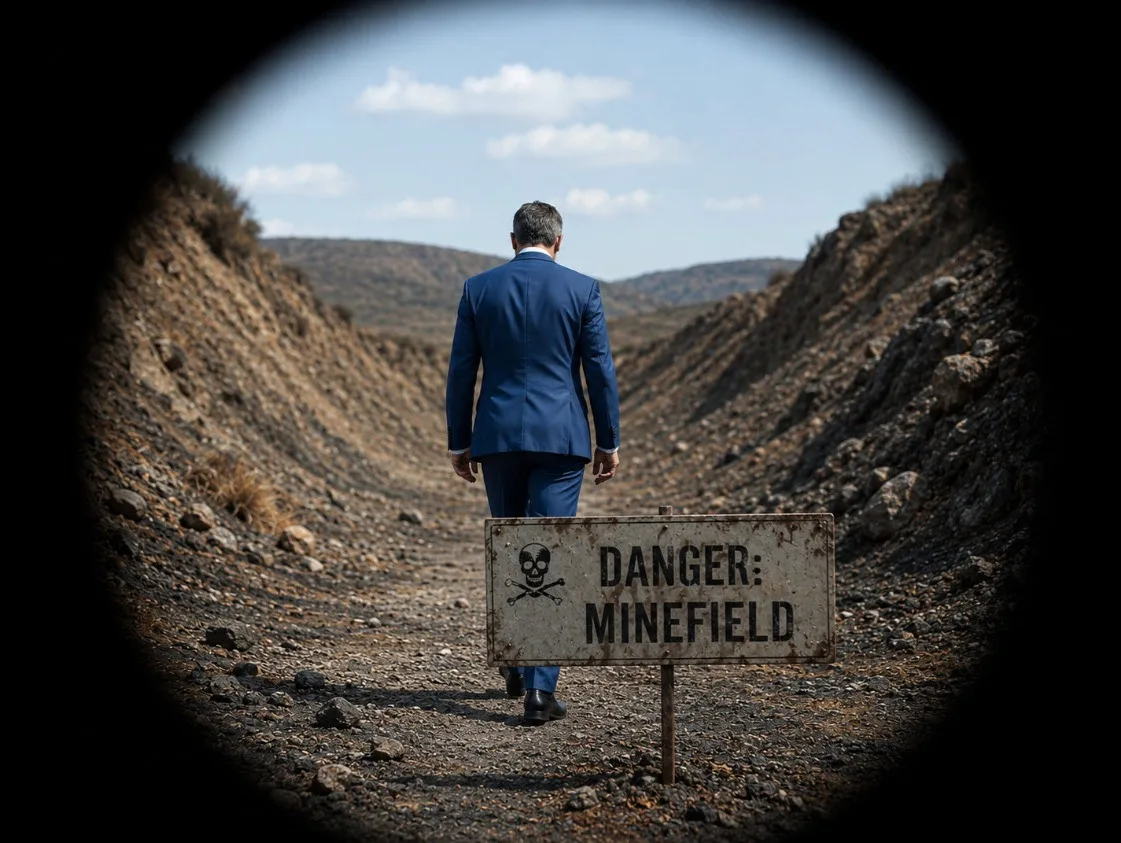
Short-term U.S. Treasury yields are moving in a direction that defies the Federal Reserve's recent easing cycle. The two-year note yield climbed to 4.24% overnight — its highest level since February 2025 — even though the Fed has cut its benchmark rate three times since last September, leaving the federal funds rate at a 3.50–3.75% target range. The disconnect between central bank policy and market pricing reflects a growing unease about what comes next, particularly around the July 29 FOMC meeting.
Futures markets have more than 8 basis points of rate hikes priced in for that meeting, implying roughly a one-in-three probability that Fed Chair Kevin Warsh delivers a surprise tightening move. BMO's head of U.S. rates strategy, Ian Lyngen, attributes the repricing of two-year debt — what he calls a "cheapening" of the sector — to Warsh's conspicuous reluctance to telegraph the Fed's intentions. That communications vacuum is itself a market signal, forcing traders to assign wider probability bands to outcomes that would otherwise seem remote.
Read more TSMC Posts 68% Revenue Surge in June Ahead of Q2 Earnings →
Two catalysts are converging to resolve that uncertainty on Tuesday: a fresh CPI report and a public appearance by Warsh. Consensus expects core inflation to rise 0.2% month-over-month and 2.8% year-over-year, while headline CPI is projected to ease to 3.8% from 4.2%, partly on softer fuel prices. Lyngen leans toward a benign read on both fronts — a cooler inflation print combined with Warsh's characteristic reticence could drain some of the hike premium out of the front end and ease pressure on two-year yields.
Energy markets, however, complicate that optimistic scenario. Fresh geopolitical friction involving Iran threatens to reverse any recent retreat in oil prices, and tight refining capacity has already kept fuel costs elevated even as crude pulled back. Should energy reignite inflation expectations, the calculus for the July meeting shifts meaningfully. Technically, yields are pressing against a breakout level, and a sustained move higher could put the 2025 peak of 4.40% in play — a threshold that would reframe the entire narrative around the Fed's summer stance.
Lyngen argues the FOMC Minutes support a patient posture, suggesting the committee is more inclined to observe the real economy through a period of uncertainty than to act preemptively. For now, the two-year yield is the market's most honest read on that debate — and it is not yet convinced the Fed is done. Continue reading at Forexlive.