Trump Defends Family Business Dealings in CNBC Interview
President Trump addressed conflicts of interest tied to his children's investments, saying the presidency creates unavoidable complications for his family.
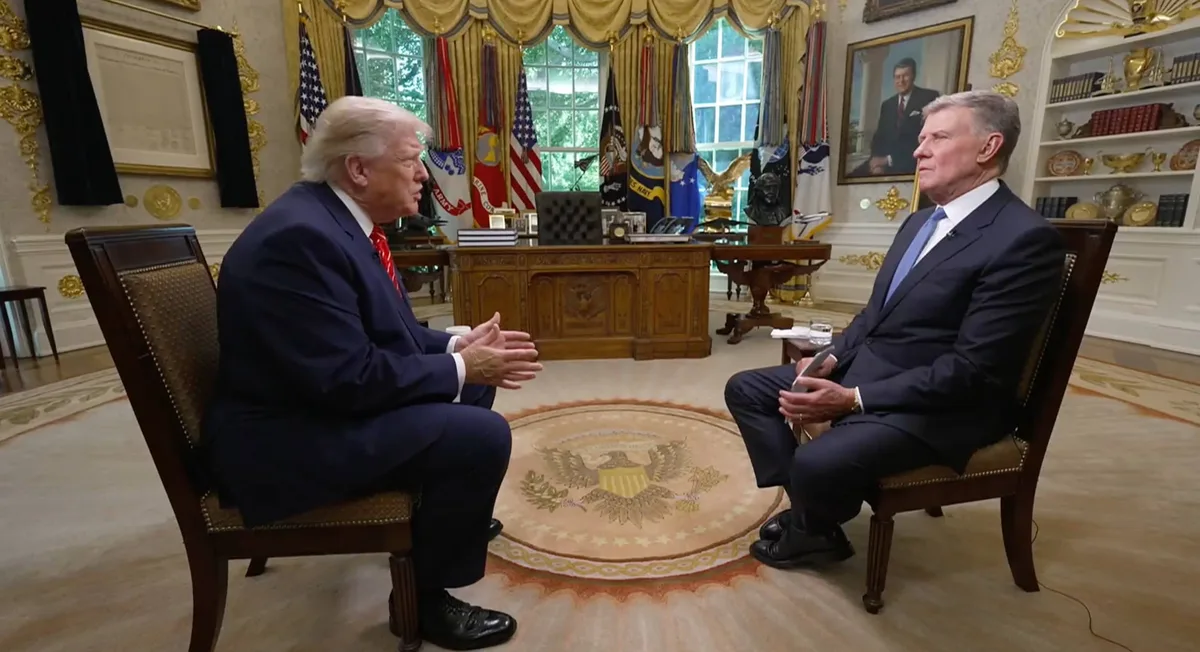
President Donald Trump used a recent CNBC interview to push back against scrutiny of his family's business activities, acknowledging that holding the nation's highest office inevitably creates tension with his children's financial interests. Rather than treating the issue as a legal or ethical liability, Trump framed it as an unfortunate byproduct of public service — a notable posture given the sustained attention his family's commercial ventures have drawn since he first took office.
The admission is significant in what it concedes: that the presidency and private enterprise do not coexist cleanly, particularly when adult children remain active in business dealings that can intersect with U.S. policy, foreign governments, and regulatory decisions. Trump's acknowledgment that he "feels bad" about the situation suggests an awareness of the optics, even if he stopped short of calling for structural changes or divestiture.
Read more ACA Enrollment Drops 3 Million: Fraud or Affordability? →
Analysts who follow presidential ethics have long argued that voluntary separation — placing assets in a blind trust or stepping back from active management — is the conventional remedy presidents adopt to insulate governance from personal financial entanglements. Trump notably declined that path in his first term and appears to be maintaining the same approach, making his CNBC remarks more of a rhetorical concession than a policy shift.
The broader context matters here. Public trust in government institutions tends to erode when voters perceive that official decisions may benefit a sitting president's family financially. By acknowledging the conflict while not moving to resolve it, Trump is essentially asking the public to accept the tension as structural rather than correctable — a bet that his base will prioritize his policy agenda over traditional norms of executive accountability.
Continue reading at US Top News and Analysis.