Trump Administration Declines to Renew USMCA, Signaling Trade Talks Ahead
The White House will not renew the USMCA trade agreement, citing U.S. trade deficits with Canada and Mexico as the central concern.
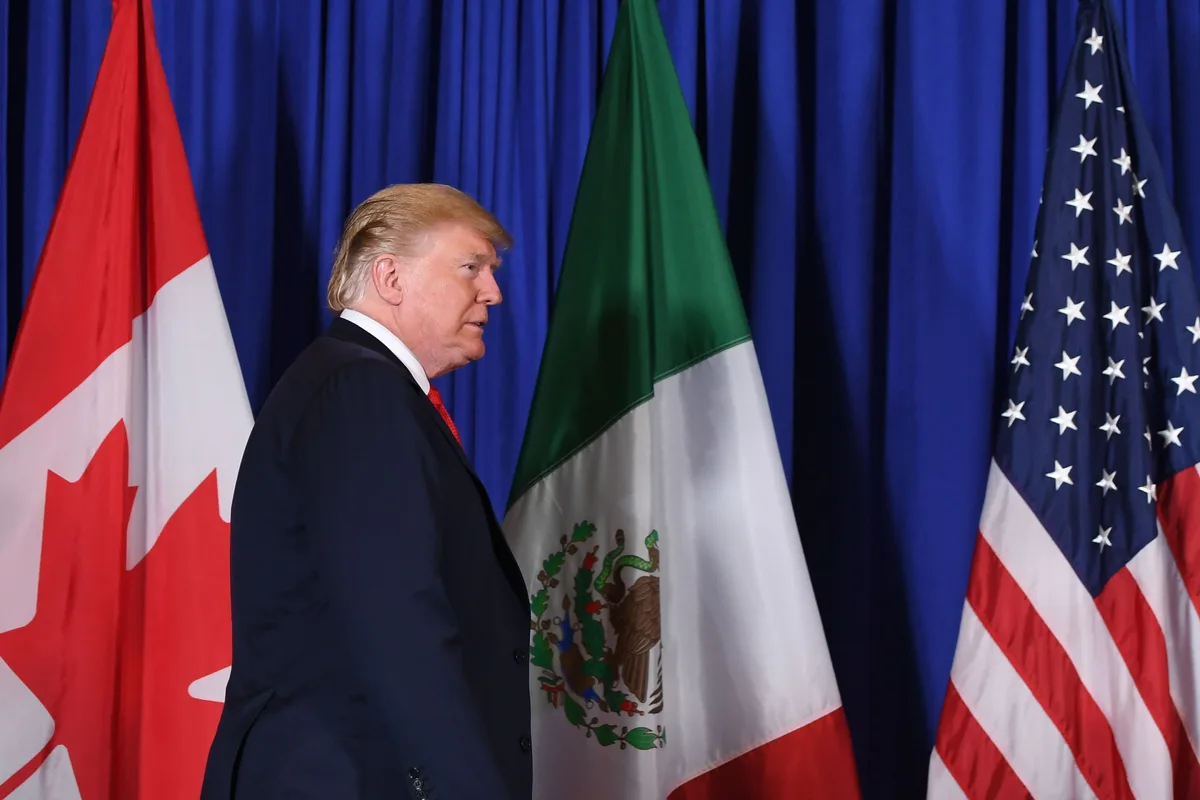
The Trump administration has decided against renewing the United States-Mexico-Canada Agreement, a move that effectively reopens one of North America's most consequential trade frameworks to fresh negotiation. A senior administration official identified America's trade deficits with both neighboring countries as the president's "primary" grievance with the existing deal, signaling that deficit reduction will likely anchor any renegotiation agenda.
The decision carries significant weight for integrated North American supply chains, particularly in the automotive, agricultural, and manufacturing sectors, where businesses on all three sides of the borders have calibrated operations around USMCA's rules of origin and tariff structures. By declining renewal, the White House has given itself leverage to demand more favorable terms — though that same uncertainty can unsettle investor confidence and corporate planning horizons in the near term.
Read more Bank of Korea Governor Backs Tokenized Bonds and Unified Ledger →
USMCA, which replaced NAFTA in 2020, was itself the product of prolonged and at times acrimonious renegotiations during Trump's first term. The agreement included a built-in review clause allowing parties to assess it periodically, and the administration's choice not to simply affirm the deal suggests a preference for substantive revision rather than routine continuation. Ottawa and Mexico City now face the prospect of re-entering talks with a White House that has already framed the existing arrangement as structurally disadvantageous to the United States.
The trade deficit framing is politically potent but analytically complex. Economists broadly note that bilateral trade balances reflect a range of macroeconomic factors — savings rates, currency dynamics, consumer demand — rather than the fairness of any single agreement. How aggressively the administration pursues deficit-narrowing concessions, and whether Canada and Mexico are willing to absorb them, will define the tone and duration of what comes next.
Continue reading at US Top News and Analysis.