Trump Accounts for Kids: Key Details Parents Should Know
New Trump Accounts launched July 4 offer children a government-seeded savings vehicle. Here's how they work and who qualifies.
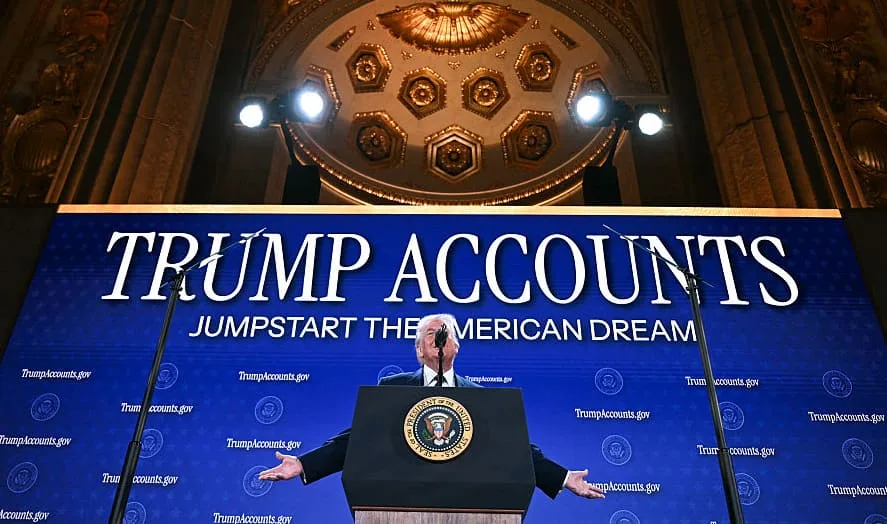
A new federally backed savings program called Trump Accounts made its debut on July 4, targeting American children and offering eligible families an initial government contribution. The rollout marks one of the more consumer-facing financial policy moves of the current administration, and parents would do well to understand the mechanics before assuming the money is automatically theirs to direct.
At its core, the program functions as a long-term savings vehicle — meaning the funds are not immediately accessible. Withdrawals are tied to specific eligibility windows, a structure designed to encourage accumulation over time rather than short-term spending. That distinction matters for families who might otherwise treat the accounts as liquid benefit payments.
Read more Why Loss Aversion Overrides Rational Financial Thinking →
The question of who qualifies for the free government contribution is central to how broadly the program will actually reach working- and middle-class households. Eligibility criteria determine whether the accounts become a universal benefit or a more targeted one, and those details will shape public perception of the program's fairness and reach.
From a policy standpoint, government-seeded children's savings accounts are not a novel concept — similar proposals have circulated in both parties for years under names like "baby bonds." What distinguishes this iteration is its branding, its July 4 launch timing, and the political context surrounding it, all of which are likely to influence how the program is received and scrutinized going forward.
For parents trying to plan around this benefit, the most important near-term steps involve confirming eligibility, understanding the withdrawal timeline, and tracking any administrative requirements for account enrollment. Continue reading at US Top News and Analysis.