SpaceX Market Cap Erosion Now Exceeds Tesla's Total Value
SpaceX has shed over $1.2 trillion in market capitalization since its June peak, a decline roughly equivalent to Tesla's entire market value.
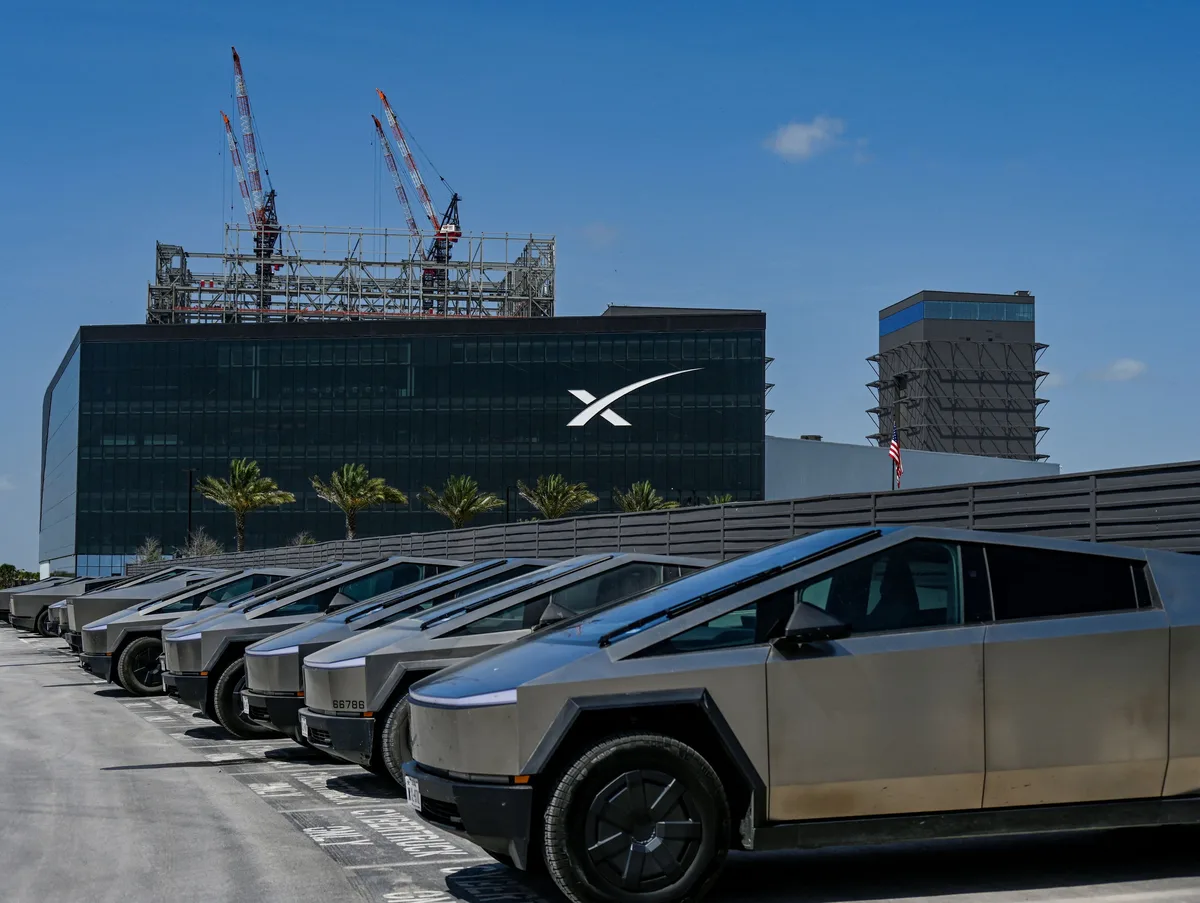
The scale of SpaceX's market capitalization decline has reached a threshold that puts it in rare and sobering company: the privately held rocket firm has erased more than $1.2 trillion in value since its shares peaked at $225.64 in June, a loss that is roughly equivalent to wiping out the entirety of Tesla — one of the most valuable publicly traded companies in the world.
For context, that kind of destruction of paper wealth in a single private company is essentially without precedent in modern financial history. SpaceX has long been valued on the strength of its Starlink satellite internet business and its dominant position in commercial launch services, making any sustained drawdown in its implied valuation a significant signal about investor sentiment toward high-growth, capital-intensive ventures.
Read more Lacy Hunt Exits Long Bonds After 44 Years, Signaling a Shift →
The comparison to Tesla is analytically useful precisely because Tesla itself is no stranger to dramatic valuation swings. That a private company — one without the disclosure requirements or liquidity of a public stock — could accumulate and then shed that magnitude of value speaks to how thoroughly institutional and secondary-market investors had priced in an almost flawless execution scenario at SpaceX's peak.
While the decline may reflect broader pressures on risk assets and a recalibration of growth-company multiples, it also raises pointed questions about how secondary market valuations for private firms should be interpreted. Unlike public equities, private share prices are set by infrequent tender offers and secondary trades, meaning that moves of this magnitude carry different informational weight than comparable swings in a publicly listed stock.
The erosion nonetheless underscores a broader reality: even the most strategically indispensable technology companies are not immune to the gravitational pull of changing market conditions. Continue reading at US Top News and Analysis.