Software Stocks Rally as OpenAI Competitive Threat Fades
Shares of ServiceNow, Salesforce and peers surged as investor fears over OpenAI's disruptive potential eased, while Oracle lagged due to its cloud ties.
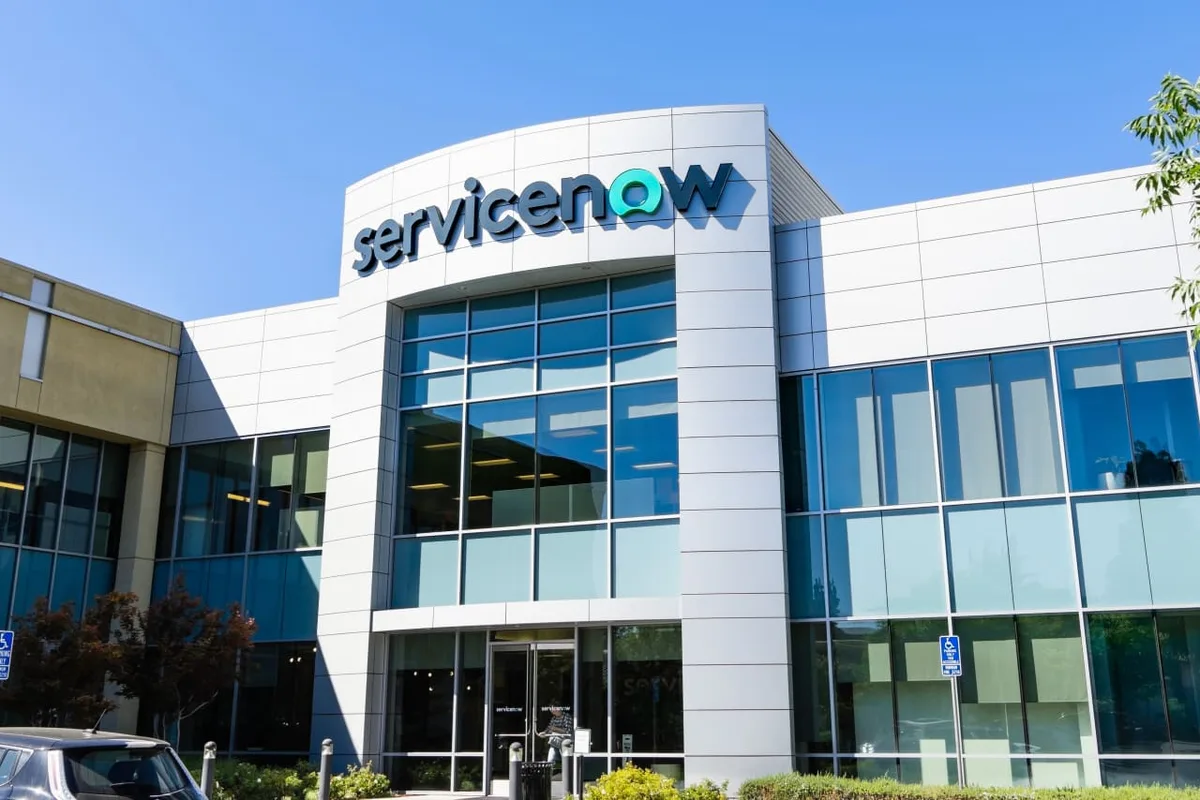
A broad rally swept through enterprise software stocks, lifting shares of ServiceNow, Salesforce and others as Wall Street reassessed the near-term threat posed by OpenAI to established players in the sector. The move signals a meaningful shift in investor sentiment, which had weighed on legacy software names for months amid concern that AI-native competitors could erode their market positions faster than previously anticipated.
The recalibration reflects a growing view that incumbent software companies — with their deep enterprise relationships, proprietary data, and entrenched workflows — are better positioned to absorb and monetize AI capabilities than some early analyses suggested. Rather than being displaced outright, firms like ServiceNow and Salesforce have increasingly embedded AI features into their own platforms, blurring the line between threat and opportunity.
Read more Microsoft Stock Down 25% in 2025: What Would Drive MSFT to $500? →
Notably absent from the rally was Oracle, whose stock underperformed its software peers. The divergence is telling: Oracle's cloud-infrastructure business is closely tied to OpenAI's operational success, meaning any weakening in OpenAI's dominance narrative directly translates into a headwind for Oracle's growth story. Where other software companies benefited from the market's reduced fear of OpenAI, Oracle found itself on the wrong side of the same trade.
The episode underscores how tightly AI narratives have become woven into sector-level stock movements. A single shift in perceived AI competitive dynamics can simultaneously lift one cohort of technology companies while pressuring another — a pattern investors should expect to repeat as the AI landscape continues to evolve rapidly. For enterprise software broadly, this rally may represent a belated recognition that disruption timelines in complex B2B markets tend to be longer and more complicated than initial hype implies.
Continue reading at MarketWatch.com


