SNAP Restrictions Reshape Food Spending, Alarm Industry Giants
States are expanding SNAP purchase restrictions, threatening sales of soda, candy, and processed foods as major brands brace for shifts in consumer demand.
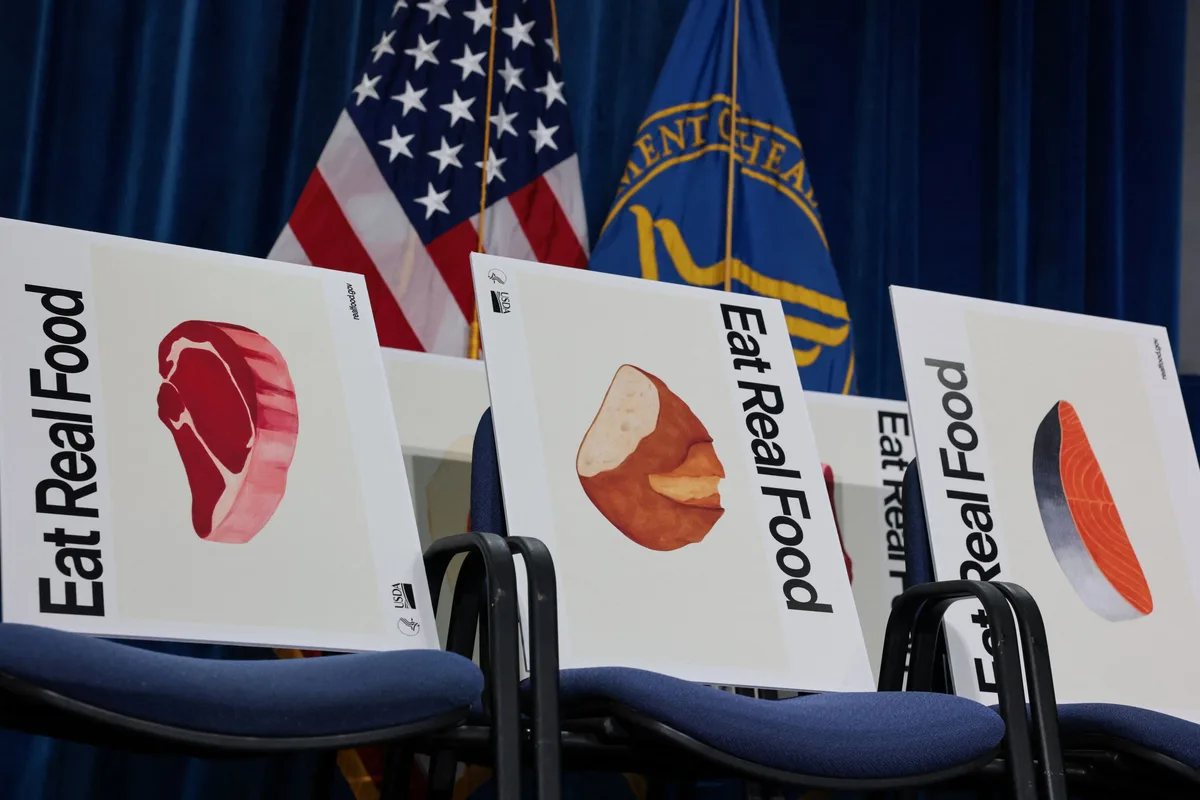
A quiet but consequential policy shift is rippling through American grocery aisles. More states are moving to restrict what Supplemental Nutrition Assistance Program beneficiaries can purchase, targeting items like sugary sodas, candy, and heavily processed snack foods. What was once a fringe policy debate is gaining mainstream traction, and the downstream effects on consumer spending patterns could be substantial.
For the roughly 42 million Americans who rely on SNAP benefits, these restrictions would fundamentally alter how and where their food dollars flow. Historically, SNAP has functioned as a near-universal grocery voucher, giving recipients wide latitude to choose their own purchases. Narrowing that latitude doesn't just change individual shopping carts — it redirects billions of dollars away from specific product categories almost overnight.
Read more Epstein in Israel Rumor Spreads Online With No Evidence →
The food and beverage industry is watching closely, and with good reason. Companies whose revenue depends heavily on soda, confectionery, and shelf-stable processed goods stand to lose meaningful sales volume if SNAP dollars can no longer be spent on their products. These are not niche markets — carbonated beverages and snack foods represent enormous segments of the packaged food economy, and SNAP purchases represent a significant share of total grocery spending in many communities.
The policy pressure also arrives at an already complicated moment for food manufacturers, who have spent recent years navigating inflation-driven input costs and consumer pushback against high prices. Adding a regulatory constraint on a core customer segment compounds an already difficult operating environment. Analysts and investors will be scrutinizing how exposed individual companies are to SNAP-eligible categories, particularly those with heavy exposure to convenience and value-tier products.
What makes this shift particularly notable is its momentum: restrictions are spreading across multiple states rather than remaining isolated experiments, suggesting a durable political will to redefine what public nutrition assistance actually subsidizes. Whether that produces measurable improvements in public health — the stated goal — remains an open empirical question, but the market signal it sends to food giants is already unmistakably clear. Continue reading at US Top News and Analysis.